

景点英文讲解哪里找?专业导游词在线学习资源推荐?
景点英文讲解是旅游服务中的重要组成部分,它不仅是传递景点文化内涵和历史信息的桥梁,更是游客了解目的地特色、深化旅行体验的关键环节,一份优秀的英文讲解需要兼顾准确性、趣味性和互动性,既要确保信息的真实可靠,又要通过生动的语言和合理的结构吸引游客注意力,以下将从讲解的核心要素、结构设计、语言技巧、文化适配及实践案例等方面,详细展开景点英文讲解的要点与实施方法。
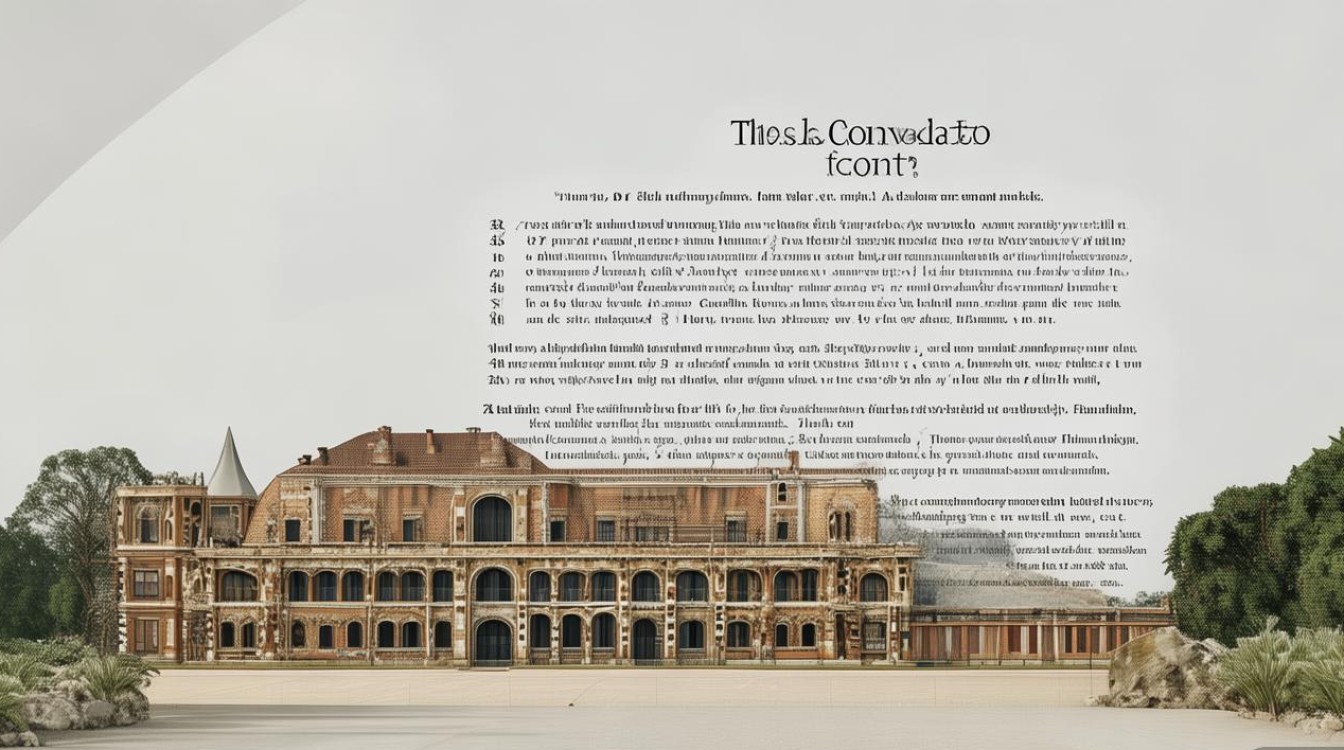
景点英文讲解的核心要素
景点英文讲解的核心要素包括历史文化背景、建筑与艺术特色、实用信息传递及情感共鸣营造,历史文化背景是讲解的基石,需涵盖景点的起源、发展脉络、关键历史事件及相关人物故事,讲解故宫时,需明确其作为明清两代皇宫的地位,提及明清皇帝的生平、重大典礼(如登基大典)及历史变迁事件,同时结合具体建筑(如太和殿)说明其功能与象征意义,建筑与艺术特色则需聚焦景点的设计风格、材料工艺、装饰细节及美学价值,如苏州园林的“虽由人作,宛自天开”理念,通过漏窗、假山、水景的布局,体现中国古典园林的意境美,实用信息包括开放时间、门票价格、游览路线、注意事项等,需清晰简洁,避免游客产生困惑,情感共鸣则要求讲解员通过故事化叙述或提问互动,激发游客的情感体验,如讲解长城时,可关联古代劳动人民的智慧与付出,引发游客对历史的敬畏。
的结构设计
合理的结构能让讲解逻辑清晰、层次分明,通常采用“总-分-总”或“时间顺序+空间顺序”相结合的方式,开场部分需快速吸引游客注意力,可通过提问(如“Do you know this palace has been home to 24 emperors?”)、引用名言(如“The Great Wall is not just a wall, but a symbol of Chinese civilization”)或展示代表性图片/实物实现,主体部分需分模块展开,每个模块聚焦一个主题,如故宫可按“外朝(处理政务)”“内廷(皇帝生活)”“御花园(休闲场所)”划分,每个模块下再细分具体建筑(太和殿、乾清宫等)及其故事,过渡部分需自然衔接,例如从外朝到内廷时,可提及“Now let's step from the formal outer court to the private inner court, where the emperor and his family lived”,结尾部分需总结核心信息,并引导游客自由探索或提问,如“After learning about the imperial history, feel free to wander around and imagine the daily life of ancient royals here”。
语言表达的技巧与规范
英文讲解的语言需简洁明了、生动形象,避免复杂从句和专业术语堆砌,词汇选择上,优先使用高频词汇和具象名词,如用“intricate carvings”而非“complicated decorative patterns”,句式结构应多样化,交替使用简单句、并列句和复合句,“This hall was built in 1420. It is the largest wooden structure in China. Emperors held important ceremonies here.” 可优化为:“Built in 1420, this hall stands as the largest wooden structure in China, where emperers once grand ceremonies were held.” 修辞手法能增强感染力,如比喻(“The Summer Palace is like a jewel in the heart of Beijing”)、拟人(“The ancient walls have witnessed centuries of rise and fall”)等,需注意语速控制(约120-150词/分钟)、停顿节奏(在关键信息后稍作停顿)及语调变化(通过升调表疑问、降调表肯定),同时配合手势(如指向建筑、模仿动作)强化表达。
文化差异与适配策略
中西方文化差异要求讲解内容进行本土化调整,避免文化误解,中国传统文化中的“龙”象征皇权,而西方文化中“dragon”常代表邪恶,需明确解释“Loong”与“dragon”的区别;提及“风水”时,可类比“the ancient Chinese art of harmonizing humans with nature”,价值观方面,西方游客更注重个人体验与故事性,可增加互动环节,如“Who can guess what this bronze vessel was used for?”;而东方游客可能更关注历史细节,需补充具体年份、人物关系等信息,宗教元素需谨慎处理,如佛教寺庙中的“菩萨”可解释为“Bodhisattva, a compassionate being in Buddhism”,避免直接音译“Pusa”,可对比中西方类似景点,如将苏州园林与法国凡尔赛花园对比,说明“Chinese gardens emphasize natural harmony, while Western ones focus on symmetrical design”,帮助游客建立文化认知框架。

实践案例:以长城英文讲解为例
开场:“Good morning, everyone! Welcome to the Great Wall, a UNESCO World Heritage Site and one of the New Seven Wonders of the World. Have you ever wondered how a wall built over 2,000 years ago could still stand strong today? Today, we’ll uncover the stories behind this ‘dragon of stone’.”
历史背景:“The Great Wall was first built in the 7th century BC, but the sections we see today were mainly constructed during the Ming Dynasty (1368-1644). It was not just a defense line but a system of fortifications, including beacon towers for signaling and garrison stations for soldiers.”
建筑特色:“Look at these bricks—each weighs about 25 kilograms! They were carried up here by millions of workers, including soldiers and civilians. The wall’s design adapts to the terrain: steep cliffs here, wide watchtowers there, making it both a military marvel and a landscape masterpiece.”
故事互动:“Legend says Meng Jiangnu’s tears caused a section of the wall to collapse. Though a story, it reflects how deeply the wall is woven into Chinese culture. Now, let’s climb to the highest tower—imagine being a soldier here 600 years ago, watching for enemies!”
:“As we descend, remember: the Great Wall isn’t just stone and earth; it’s a symbol of perseverance. Feel free to take photos, and don’t miss the museum at the entrance—it has ancient weapons and maps. Any questions?”
常见问题与应对
在实际讲解中,游客常提出各类问题,讲解员需提前准备答案,并保持灵活应变,以下为典型问题及应对思路:
-
“Why was the Great Wall built in such remote mountains instead of flat areas?”
解答思路:从军事战略角度解释,山区地形易守难攻,可减少建设成本;同时结合历史背景,说明北方游牧民族擅长骑兵作战,山区能限制其机动性,可补充:“Flat areas would require even longer walls, while mountains provided natural barriers—ancient Chinese engineers were masters of using geography to their advantage.” -
“How do you balance historical facts with interesting stories during讲解?”
解答思路:明确区分史实与传说,用“According to historical records…”引出事实,用“Legend has it…”或“There’s a popular story that…”标记传说。“This hall was completed in 1420—historical fact. But the story of a ghost haunting it? That’s folklore added later to make the palace more mysterious!”
景点英文讲解是一门融合知识、语言与艺术的综合技能,其核心在于“以游客为中心”:通过深度挖掘景点价值、优化内容结构、运用生动语言及适配文化差异,让游客在获取信息的同时,获得情感共鸣与沉浸式体验,讲解员需不断积累历史知识、提升英语表达,并注重现场互动与反馈,最终实现“传递文化、连接人心”的目标,无论是故宫的恢弘、长城的雄伟,还是江南园林的雅致,一份出色的英文讲解都能让这些景点“活”起来,成为游客心中难忘的旅行记忆。
FAQs
Q1: How to handle difficult questions from tourists, like sensitive historical topics?
A1: When facing sensitive questions (e.g., about wars or political events), remain neutral and fact-based. Stick to widely accepted historical narratives, avoid personal opinions, and redirect to the景点’s positive aspects if needed. For example, if asked about a historical conflict, you could say: “This period was complex, but what’s clear is that the site later became a symbol of peace and cultural exchange, which we can see in its architecture today.”
Q2: What tools can enhance the effectiveness of英文讲解?
A2: Visual aids like maps, photos, or 3D models help illustrate historical changes; interactive props (e.g., ancient coin replicas for a palace tour) make stories tangible; technology like AR apps can show “then vs now” views of景点. Additionally, preparing a glossary of key terms (e.g., “imperial decree,” “porcelain kiln”) with simple English explanations aids comprehension.
版权声明:本文由 数字洲食旅 发布,如需转载请注明出处。













 冀ICP备2021017634号-11
 冀公网安备13062802000116号