

重庆景点英文介绍
Chongqing, a municipality nestled in the southwestern part of China, is a city that captivates visitors with its unique blend of natural wonders, rich history, and vibrant modernity. Known as the "Mountain City" and "River City," Chongqing is characterized by its hilly terrain, winding rivers, and distinctive architecture. This city offers a diverse range of attractions that cater to all types of travelers, from history enthusiasts and nature lovers to food adventurers and culture seekers. Below is a detailed introduction to some of Chongqing's most iconic and must-visit spots, each offering a glimpse into the city's multifaceted charm.

Natural Landscapes and Scenic Wonders
Chongqing's natural beauty is one of its most defining features, with breathtaking landscapes that leave a lasting impression on visitors. The Three Gorges of the Yangtze River stands as one of the most renowned natural attractions in China. Stretching over 200 kilometers, the gorges—Qutang Gorge, Wu Gorge, and Xiling Gorge—are renowned for their steep cliffs, crystal-clear waters, and lush greenery. A cruise along the Yangtze River allows travelers to witness the majestic scenery firsthand, passing through ancient villages, mist-shrouded peaks, and historical sites such as the Fengdu Ghost City, a complex of temples and shrines dedicated to Chinese mythology. The Three Gorges Dam, the world's largest hydroelectric power station, is another highlight, offering insights into China's engineering prowess while providing panoramic views of the dam's imposing structure.
For those seeking a more immersive natural experience, the Wulong Karst National Geopark is a UNESCO World Heritage site that showcases some of the most spectacular karst landscapes in the world. The park is home to the Three Natural Bridges, a series of three natural limestone arches that span deep valleys, creating a surreal and picturesque setting. Visitors can explore the bridges on foot or take a cable car for a bird's-eye view. Another notable attraction within the park is the Furong Cave, often referred to as the "First Underwater Cave in China." This vast cave system features stunning stalactites, stalagmites, and underground rivers, illuminated by colorful lights that enhance its otherworldly beauty.
The Jinfo Mountain (Golden Buddha Mountain) is another natural gem, located in the Nanchuan District of Chongqing. This mountain is named after the 10-meter-tall golden Buddha statue that sits atop its peak, which can be reached via a scenic cable car ride. Jinfo Mountain is also a biodiversity hotspot, with over 5,900 species of plants and animals, including rare and endangered species like the golden snub-nosed monkey. The mountain's lush forests, cascading waterfalls, and serene hiking trails make it a paradise for nature enthusiasts.
Historical and Cultural Sites
Chongqing's rich history is reflected in its numerous historical and cultural sites, which offer a window into the city's past. The Three Gorges Museum is a must-visit for history buffs, providing a comprehensive overview of the Three Gorges region's history, culture, and natural environment. The museum's exhibits include ancient artifacts, archaeological finds, and interactive displays that detail the construction of the Three Gorges Dam and its impact on the region. The museum's architecture is also noteworthy, featuring a modern design with elements inspired by traditional Chinese architecture.
The Great Hall of the People is another iconic landmark, located in the heart of Chongqing's Yuzhong District. This grand building, completed in 1954, serves as the venue for political and cultural events and is a symbol of Chongqing's modern history. Its impressive architecture, with a large dome and towering pillars, makes it a popular spot for photography and sightseeing. Nearby, the Chongqing China Three Gorges Museum offers further insights into the city's history, with exhibits on the Anti-Japanese War and the role of Chongqing as a wartime capital.
For a glimpse into Chongqing's ancient past, the Dazu Rock Carvings are a UNESCO World Heritage site that dates back to the Tang and Song dynasties. These intricate carvings, located in Dazu District, depict Buddhist, Taoist, and Confucian themes, with over 50,000 statues and inscriptions spread across more than 75 sites. The most famous of these is the Baodingshan Mountain, where the carvings are arranged in a series of cliffside caves, creating a spiritual and artistic masterpiece. The carvings are renowned for their detailed craftsmanship and their reflection of the religious and cultural fusion of ancient China.

Modern Attractions and Urban Landscapes
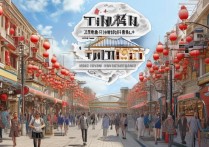
Chongqing is not just a city of history and nature; it is also a modern metropolis with a dynamic urban landscape. The Chongqing Skyline is one of the most breathtaking cityscapes in China, best viewed from the Hongya Cave or the Riverside Promenade. Hongya Cave, a historic area built into the cliffs along the Jialing River, features a unique blend of traditional stilt houses and modern commercial buildings. Visitors can explore its winding alleys, sample local street food, and enjoy panoramic views of the river and city lights. At night, the area comes alive with colorful lanterns and a vibrant atmosphere, making it a popular spot for evening outings.
The Lijiang Tower is another modern landmark, offering a 360-degree view of Chongqing from its observation deck. Located in the Lianglukou area, this skyscraper is one of the tallest buildings in the city and provides a stunning perspective of its sprawling urban landscape. For those interested in contemporary art and culture, the Chongqing Contemporary Art Museum is a must-visit, featuring rotating exhibitions of works by both Chinese and international artists.
The Chongqing Ferris Wheel, located in the Chaotianmen Square, is one of the largest Ferris wheels in Asia. Standing at 158 meters tall, it offers a breathtaking view of the city and its two rivers, the Yangtze and Jialing. The ride is particularly enchanting at night when the city lights sparkle below, creating a magical experience.
Culinary Experiences
No visit to Chongqing is complete without indulging in its world-renowned cuisine. Known as the "Capital of Hotpot," Chongqing's hotpot is a fiery and flavorful dish that has gained international fame. The hotpot is characterized by its spicy broth, made with Sichuan peppercorns, chili oil, and a variety of aromatic spices, and is typically served with a wide array of ingredients such as thinly sliced beef, offal, tofu, and vegetables. Dining at a local hotpot restaurant is not just a meal but a social experience, where friends and family gather around a communal pot to cook and share food.
In addition to hotpot, Chongqing offers a variety of other local delicacies. The Chongqing Noodles are a popular street food, known for their spicy and numbing flavor, thanks to the addition of Sichuan peppercorns. Another must-try dish is the Mapo Tofu, a spicy tofu dish named after its creator, a 19th-century restaurateur. The dish is made with soft tofu, minced meat, and a rich, spicy sauce, and is often served with rice. For those with a sweet tooth, the Chongqing Double-Skin Milk is a popular dessert, consisting of a layer of milk skin floating on top of a creamy milk pudding.
Chongqing's food scene is not limited to traditional dishes; the city also boasts a thriving modern culinary scene, with a wide range of international restaurants, cafes, and bars. The Jiefangbei Pedestrian Street is a popular area for dining and shopping, offering everything from local snacks to gourmet cuisine.

Transportation and Accessibility
Chongqing's transportation network is well-developed, making it easy for visitors to explore the city and its surrounding attractions. The Chongqing Jiangbei International Airport is the main gateway to the city, with flights connecting Chongqing to major cities in China and around the world. Once in the city, visitors can use the Chongqing Rail Transit (CRT), a comprehensive metro system that covers most of the city's major attractions. The CRT is known for its efficiency and affordability, with trains running frequently throughout the day.
For those looking to explore the city's more remote attractions, buses and taxis are readily available. The city's hilly terrain means that walking can be challenging in some areas, but the scenic views and hidden gems discovered on foot make it worthwhile. Additionally, river cruises are a popular way to see the city from a different perspective, with boats departing from various piers along the Yangtze and Jialing rivers.
FAQs
Q1: What is the best time to visit Chongqing?
A1: The best time to visit Chongqing is during the spring (March to May) and autumn (September to November) when the weather is mild and pleasant. These seasons offer comfortable temperatures for sightseeing and outdoor activities. Summer (June to August) can be hot and humid, with occasional heavy rainfall, while winter (December to February) is cool but can be foggy. However, Chongqing's hotpot and indoor attractions make it a year-round destination.
Q2: How many days should I spend in Chongqing?
A2: To fully experience Chongqing's main attractions, it is recommended to spend at least 3 to 4 days in the city. This allows time to explore both the urban highlights, such as the Hongya Cave and the Chongqing Skyline, and the natural and historical sites, such as the Three Gorges and the Dazu Rock Carvings. If you plan to take a Yangtze River cruise, an additional 2 to 3 days should be allocated for the trip.
In conclusion, Chongqing is a city that offers a unique and unforgettable travel experience, with its stunning natural landscapes, rich history, vibrant culture, and mouthwatering cuisine. Whether you are exploring the majestic Three Gorges, marveling at the ancient rock carvings, or indulging in a spicy hotpot, Chongqing is sure to leave a lasting impression. Its blend of tradition and modernity makes it a destination that appeals to all types of travelers, ensuring that there is something for everyone to discover and enjoy.
版权声明:本文由 数字洲食旅 发布,如需转载请注明出处。







 冀ICP备2021017634号-11
 冀公网安备13062802000116号