

旅游景点英语作文怎么写才能吸引人?
介绍旅游景点英语作文

When it comes to exploring the world, few experiences rival the thrill of discovering a destination that seamlessly blends natural beauty, rich history, and vibrant culture. Among the myriad of travel spots across the globe, Kyoto, Japan, stands out as a city that captivates the hearts of visitors with its timeless charm. As the former capital of Japan for over a thousand years, Kyoto is a living museum where ancient traditions coexist harmoniously with modern life. From its iconic temples and serene gardens to its bustling markets and seasonal festivals, Kyoto offers a sensory journey that leaves a lasting impression on all who wander its streets.
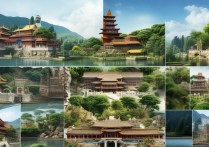
One of the most compelling reasons to visit Kyoto is its unparalleled collection of historical landmarks. The city is home to over 1,600 Buddhist temples, 400 Shinto shrines, and numerous imperial palaces, each telling a unique story of Japan’s past. Among these, Kinkaku-ji, or the Golden Pavilion, is perhaps the most iconic. Originally built in the 14th century as a retirement villa for a shogun, this three-story pavilion is entirely covered in gold leaf, shimmering magnificently above a tranquil pond. Visitors can stroll through the surrounding gardens, which are meticulously designed to reflect changing seasons, offering a breathtaking view of the pavilion against autumn foliage or winter snow. Equally captivating is Fushimi Inari Taisha, famous for its thousands of vibrant red torii gates that wind up a forested mountain. Hiking along the path, visitors pass through gates donated by businesses and families, each inscribed with a wish, creating a sense of spiritual reverence and natural beauty.
Beyond its temples, Kyoto is renowned for its exquisite traditional gardens, which are considered masterpieces of Japanese landscaping. The Ryoan-ji Temple’s rock garden, for example, is a minimalist marvel consisting of 15 rocks arranged on a bed of white gravel, surrounded by raked patterns that evoke the flow of water. Despite its simplicity, the garden encourages contemplation, with its design subtly shifting depending on the viewer’s angle, symbolizing the impermanence of life. Another must-visit is the Arashiyama Bamboo Grove, where towering bamboo stalks create a surreal, almost otherworldly atmosphere. Walking through the narrow path, the rustling of the leaves and the dappled sunlight filtering through the culms transport visitors to a state of tranquility, making it a favorite spot for photographers and nature enthusiasts alike.
Kyoto’s cultural experiences are equally enriching, offering a glimpse into Japan’s artistic and culinary traditions. The Gion district, the city’s famous geisha quarter, is a place where the past comes alive. Here, visitors may spot elegantly clad geiko (Kyoto’s term for geisha) and maiko (apprentice geisha) gliding through the streets on their way to appointments. The district’s traditional wooden machiya (townhouses) and teahouses add to the ambiance, inviting travelers to partake in a tea ceremony, a ritual that embodies the principles of harmony, respect, purity, and tranquility. For food lovers, Kyoto is a paradise, known for its kaiseki cuisine, a multi-course meal that showcases seasonal ingredients with artistic presentation. Dishes like yudofu (simmered tofu) and matcha-flavored desserts highlight the city’s emphasis on simplicity and natural flavors, providing a culinary journey that is as much a feast for the eyes as it is for the palate.

Seasonal events further enhance Kyoto’s allure, with each season bringing its own unique celebrations. In spring, the city erupts in a riot of color as cherry blossoms bloom in parks such as Maruyama Park and along the Philosopher’s Path, where locals and tourists gather for hanami (flower-viewing) parties. Summer is marked by the Gion Matsuri, one of Japan’s most famous festivals, featuring elaborate floats, traditional music, and lively processions that fill the streets with energy. Autumn transforms Kyoto into a canvas of red and gold as maple leaves paint temples like Tofuku-ji and Eikan-do in fiery hues, while winter offers a serene contrast, with snow-dusted temples and the warmth of steaming bowls of shabu-shabu hot pot.
To help travelers plan their visit, here is a table summarizing some of Kyoto’s top attractions and their highlights:
| Attraction | Type | Best Time to Visit | Key Features |
|---|---|---|---|
| Kinkaku-ji | Temple | Year-round | Golden Pavilion, serene gardens |
| Fushimi Inari Taisha | Shrine | Early morning | Thousands of red torii gates, mountain views |
| Arashiyama Bamboo Grove | Natural Wonder | Sunrise or sunset | Towering bamboo, peaceful paths |
| Gion District | Cultural Area | Evening | Geiko sightings, traditional teahouses |
| Arashiyama Park | Garden | Spring/autumn | Cherry blossoms, maple leaves |
In conclusion, Kyoto is a destination that transcends mere tourism, offering a profound connection to Japan’s heritage and natural beauty. Whether exploring ancient temples, strolling through bamboo groves, or savoring traditional cuisine, visitors are sure to find moments of wonder and reflection. As a city where tradition and modernity dance in harmony, Kyoto is not just a place to visit, but a place to experience—a journey that lingers in the memory long after the journey ends.
FAQs
-
What is the best time of year to visit Kyoto?
The best time to visit Kyoto depends on personal preferences, but spring (March to May) and autumn (October to November) are particularly popular. Spring offers cherry blossoms, while autumn showcases vibrant foliage. Summer (June to August) is hot and humid but features lively festivals, and winter (December to February) is quieter with snow-dusted temples, ideal for those who prefer a serene atmosphere. -
How many days should I spend in Kyoto to fully experience it?
To fully appreciate Kyoto’s attractions, a minimum of 3 to 4 days is recommended. This allows time to visit major temples, explore districts like Gion and Arashiyama, and experience cultural activities such as tea ceremonies. For a more relaxed pace or to include nearby destinations like Nara or Osaka, 5 to 7 days would be ideal.
版权声明:本文由 数字洲食旅 发布,如需转载请注明出处。











 冀ICP备2021017634号-11
 冀公网安备13062802000116号