

上海景点英文介绍,哪些必去景点有地道英文说明?
Shanghai, a vibrant metropolis where East meets West, offers a captivating blend of modernity and tradition, making it a must-visit destination for travelers worldwide. From iconic skylines to historic neighborhoods, the city’s attractions reflect its rich cultural heritage and dynamic spirit. Below is a detailed introduction to some of Shanghai’s most renowned landmarks, each telling a unique story of the city’s past and present.
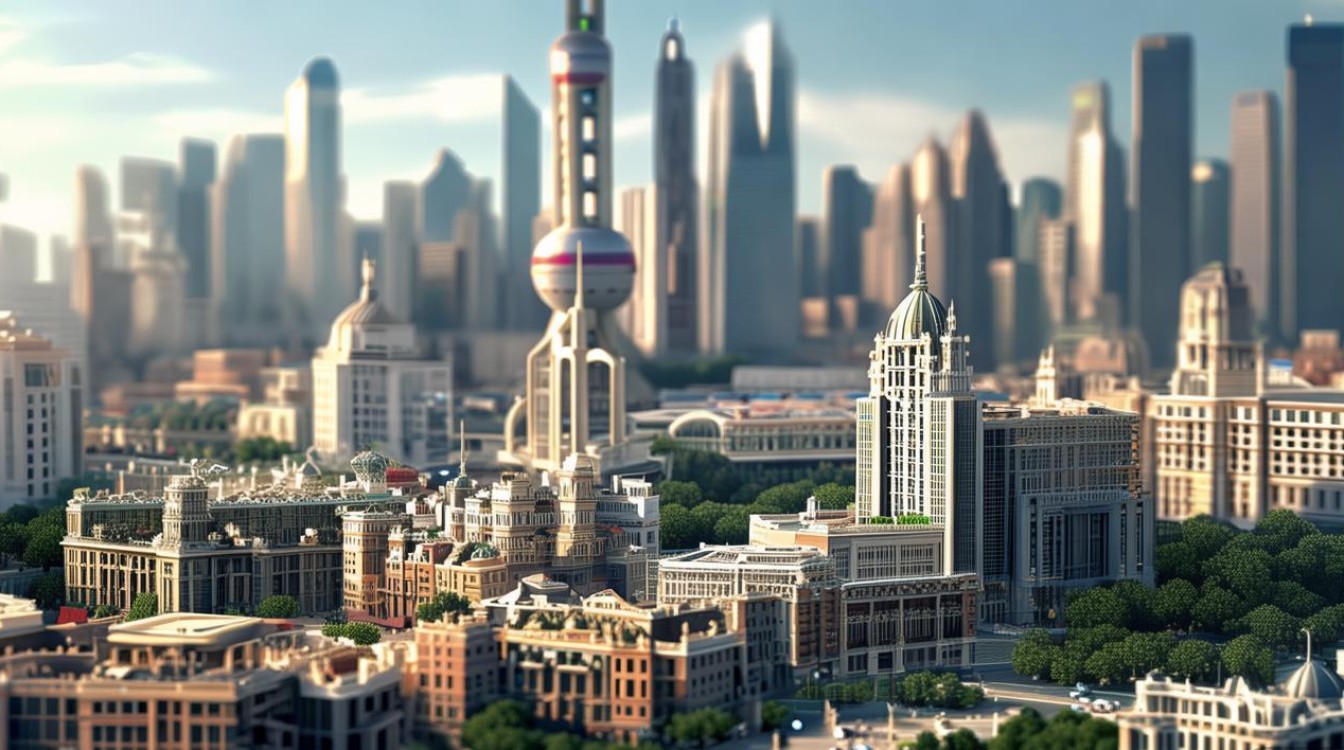
The Bund (Waitan) stands as Shanghai’s most iconic symbol, a 1.5-kilometer waterfront promenade along the Huangpu River. Lined with grand colonial-era buildings, it showcases a mix of architectural styles, including Gothic, Baroque, and Art Deco, reminiscent of Shanghai’s days as an international treaty port. These historic structures, once home to banks, trading houses, and luxury hotels, now house museums, art galleries, and high-end boutiques. Across the river, the futuristic Pudong skyline rises dramatically, with the Oriental Pearl Tower, Shanghai World Financial Center, and Jin Mao Tower piercing the clouds. At night, the Bund transforms into a dazzling spectacle, as the historic buildings are illuminated alongside the neon-lit skyscrapers of Pudong, creating a breathtaking contrast between old and new. A stroll along the Bund at sunset is a quintessential Shanghai experience, offering panoramic views that capture the city’s essence.
Nestled in the heart of the city, Yu Garden (Yuyuan) is a serene oasis that dates back to the Ming Dynasty. Built during the reign of Emperor Jiajing, this classical Chinese garden was designed as a private retreat for a high-ranking official. Its intricate layout features pavilions, rockeries, lotus ponds, and zigzagging bridges, all meticulously crafted to reflect the harmony of nature. The centerpiece, the Exquisite Jade Rock, is a porous limestone formation with a fascinating legend: it was once a gift from the Imperial Court and is said to glow in the moonlight. Surrounding the garden, the Yuyuan Bazaar bustles with activity, offering traditional snacks like xiaolongbao (soup dumplings) and pan-fried buns, as well as handicrafts, calligraphy, and antiques. Visitors can explore the City God Temple nearby, a vibrant Taoist shrine dedicated to the protector of Shanghai, further immersing themselves in the city’s cultural and spiritual heritage.
For a glimpse into Shanghai’s modernity, the Shanghai Museum in People’s Square is a treasure trove of Chinese art and history. Housed in a striking building inspired by ancient Chinese bronze vessels, the museum’s collection spans over 5,000 years, featuring over 120,000 artifacts. Galleries showcase ceramics, calligraphy, paintings, jade, bronze, and ancient coins, offering a comprehensive overview of China’s artistic and cultural evolution. The museum’s interactive exhibits and audio guides provide deeper insights into the artifacts, making it a fascinating destination for history enthusiasts and casual visitors alike. Adjacent to the museum, People’s Square itself is a hub of activity, with fountains, green spaces, and the Shanghai Grand Theatre, which hosts world-class performances ranging from opera to ballet.
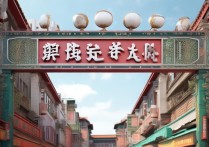
No visit to Shanghai is complete without a trip to Tianzifang, a labyrinthine neighborhood of narrow alleyways (longtang) and traditional shikumen houses. Once a residential area for French concession-era residents, Tianzifang has been transformed into a trendy enclave filled with art studios, boutique shops, cozy cafes, and international restaurants. Its cobblestone streets and preserved architecture evoke a bohemian charm, attracting artists, writers, and fashion lovers. Visitors can browse unique galleries, sip artisanal coffee in hidden courtyards, or browse vintage shops selling retro memorabilia. Tianzifang comes alive at night, with its lantern-lit alleys and bustling bars creating a lively yet intimate atmosphere. It is a perfect blend of old Shanghai charm and contemporary creativity.
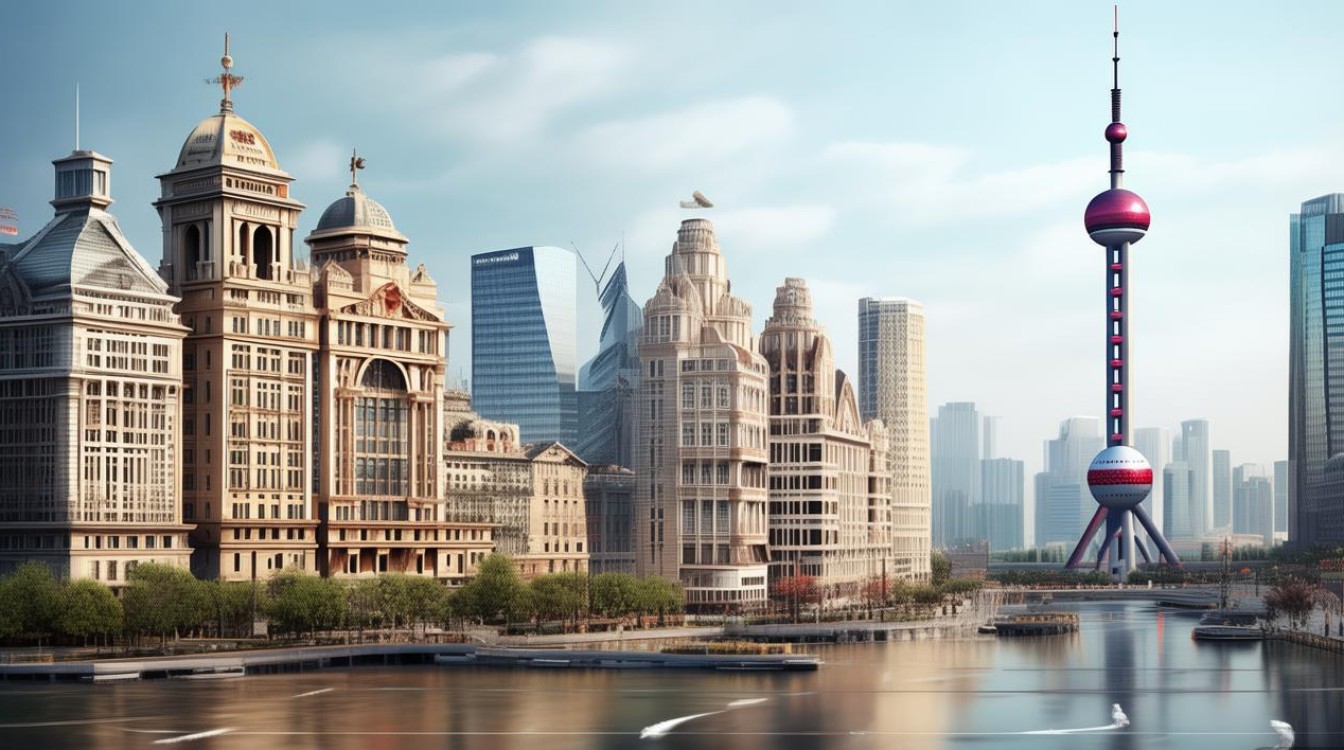
For panoramic views of the city, the Shanghai World Financial Center (SWFC) in Pudong offers an unparalleled vantage point. Nicknamed the “Bottle Opener” for its distinctive design, the 492-meter-tall skyscraper features an observation deck on the 100th floor, where visitors can gaze out over the sprawling metropolis. On clear days, the views extend as far as Suzhou and Hangzhou. The building also houses luxury hotels, offices, and a shopping mall, making it a multifaceted destination. For thrill-seekers, the SWFC’s sky bridge on the 100th floor includes a glass floor, providing a vertigo-inducing look down at the city streets below.
Another gem in Pudong is the Shanghai Disneyland Resort, the first Disney park in mainland China. Spanning 963 acres, the resort features classic Disney attractions like “it’s a small world” and Pirates of the Caribbean, as well as unique elements inspired by Chinese culture. Enchanted Storybook Castle, the largest Disney castle ever built, serves as the park’s centerpiece, while Gardens of Imagination offers a magical blend of Disney characters and Chinese horticulture. The resort’s two hotels, the Shanghai Disneyland Hotel and Toy Story Hotel, provide immersive experiences for families and Disney fans alike. With its world-class entertainment and attention to detail, Shanghai Disneyland is a must-visit for visitors of all ages.
Shanghai’s diverse attractions cater to every interest, from history buffs and art lovers to thrill-seekers and families. Whether exploring ancient gardens, marveling at futuristic skylines, or wandering through charming neighborhoods, the city offers a journey through time and culture. Its unique blend of tradition and innovation ensures that every visitor leaves with unforgettable memories.
FAQs
-
What is the best time to visit Shanghai?
The best time to visit Shanghai is during spring (March to May) and autumn (September to November), when the weather is mild and pleasant. Spring brings blooming flowers and comfortable temperatures, while autumn offers clear skies and crisp air. Summer (June to August) can be hot and humid, with occasional typhoons, while winter (December to February) is cold but less crowded. -
How can I get around Shanghai efficiently?
Shanghai has an extensive and efficient public transportation system, including the metro, buses, and taxis. The metro is the fastest way to travel, covering most major attractions and operating from early morning to late night. Taxis and ride-hailing apps like Didi are also convenient, though traffic can be heavy during peak hours. For shorter distances, biking or walking is enjoyable, especially in areas like the Bund and Tianzifang.
版权声明:本文由 数字洲食旅 发布,如需转载请注明出处。






 冀ICP备2021017634号-11
 冀公网安备13062802000116号