

上海景点英语介绍,有哪些地道表达能准确传递景点特色?
Shanghai, China's bustling metropolis, seamlessly blends rich history with cutting-edge modernity, offering a diverse array of attractions that cater to all interests. From iconic landmarks and cultural treasures to vibrant neighborhoods and scenic spots, the city presents a unique tapestry of experiences for visitors. This detailed introduction explores some of Shanghai's most notable tourist sites, providing insights into their historical significance, architectural features, and cultural relevance, all presented in English to assist international travelers in planning their journey.
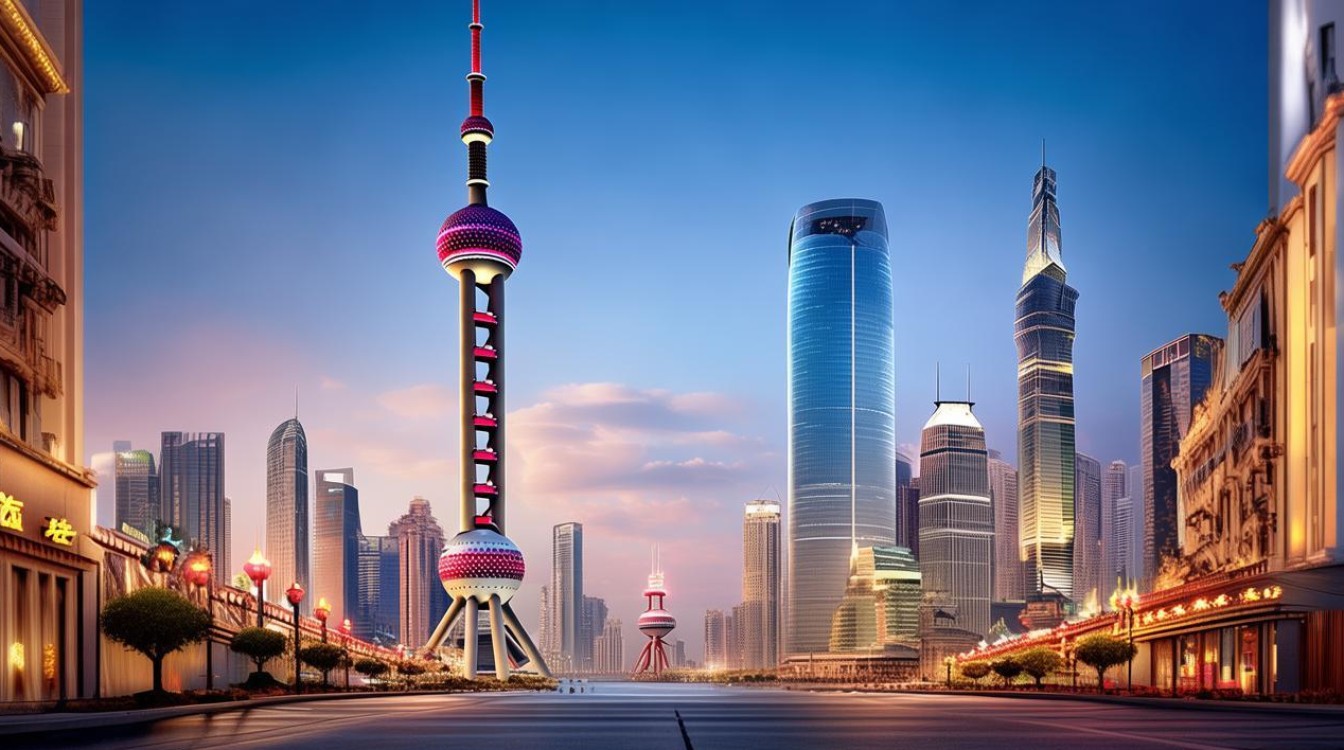
The Bund (Waitan): A Symbol of Shanghai's Colonial Past and Modern Present
No visit to Shanghai is complete without a stroll along the Bund, a iconic waterfront promenade that stretches along the Huangpu River. Located in the Huangpu District, the Bund is renowned for its collection of 52 buildings of various architectural styles, including Gothic, Renaissance, Baroque, and Art Deco, which were constructed in the early 20th century when Shanghai was an international settlement. These historic structures, once home to banks, trading houses, and consulates, stand in stark contrast to the futuristic skyscrapers of Pudong across the river, creating one of the world's most dramatic urban skylines.
Key landmarks along the Bund include the Peace Hotel (Heping Fandian), a legendary Art Deco masterpiece that hosted figures like Charlie Chaplin and Zhou Enlai; the Hongkong and Shanghai Banking Corporation Building (HSBC Building), with its iconic dome and pediment; and the former Shanghai Club, known for its "Long Bar" said to be the longest in the world. Today, the Bund serves as a popular gathering place for locals and tourists, offering stunning views of Pudong's landmarks such as the Oriental Pearl Tower, the Jin Mao Tower, and the Shanghai World Financial Center. At night, the area transforms into a dazzling display of lights, with the buildings on both sides of the river illuminated, creating a magical atmosphere.
Yu Garden (Yuyuan): A Classical Chinese Garden in the Heart of the City
Nestled in the Old City area of Shanghai, Yu Garden is a serene oasis that exemplifies the beauty of classical Chinese garden design. Built during the Ming Dynasty (1559-1577) by a government official named Pan Yunduan as a private retreat for his parents, the garden covers an area of approximately 20,000 square meters and is renowned for its meticulous layout, intricate rockeries, pavilions, and ponds.
The garden is divided into six main areas, each offering a distinct visual experience: the Grand Rockery, a man-made hill made of yellow stones that stands as the garden's centerpiece; the Ten-Thousand-Flower Pavilion, which showcases seasonal blooms; the Inner Garden, a smaller, more intimate space with traditional pavilions; the Huxin Pavilion (Heart of the Lake Pavilion), situated on an island in the central pond; the Dianchun Hall (Hall of Spring's Arrival), a historic residence with elegant wooden architecture; and the Yuhuang Pavilion (Jade Emperor Pavilion), offering panoramic views of the garden.
Surrounding Yu Garden is the Yuyuan Bazaar, a bustling commercial area where visitors can explore traditional shops selling handicrafts, silk, tea, and local snacks. The bazaar also features historical landmarks such as the City God Temple (Chenghuang Miao), a Taoist temple dedicated to the city's protective deity, and the Nine Zigzag Bridge, a winding stone bridge designed to ward off evil spirits. Together, Yu Garden and its surroundings offer a glimpse into Shanghai's traditional culture and vibrant street life.
The Oriental Pearl TV Tower: An Architectural Marvel of Pudong
Dominating the skyline of Pudong, the Oriental Pearl TV Tower is one of Shanghai's most recognizable landmarks and a symbol of the city's rapid modernization. Completed in 1994, the tower stands at 468 meters tall, making it one of the tallest structures in China. Its unique design, inspired by a Tang Dynasty poem about a pearl dropped on the sea, consists of 11 spheres of varying sizes stacked on top of each other, with two large lower spheres and a smaller upper sphere connected by three columns.
The tower offers multiple observation decks at different heights, providing visitors with breathtaking views of Shanghai. The highest deck, located in the upper sphere, stands 351 meters above ground and offers a 360-degree panorama of the city. Other attractions within the tower include a revolving restaurant, a space city exhibition, and a glass floor section that allows visitors to look down at the street below. At night, the tower is illuminated with colorful lights, further enhancing its visual appeal.
In addition to its function as a television tower, the Oriental Pearl Tower has become a cultural and entertainment hub. It houses a museum dedicated to Shanghai's history, a 4D cinema, and a variety of shops and restaurants. The tower's proximity to other Pudong landmarks such as the Shanghai World Financial Center and the Shanghai Tower makes it a must-visit destination for those exploring the modern side of Shanghai.
Shanghai Museum: A Treasure Trove of Chinese Art and Culture
Located in People's Square, the Shanghai Museum is one of China's premier museums and a leading institution for the preservation and display of Chinese art. Founded in 1952, the museum moved to its current purpose-built facility in 1996, which features a distinctive round dome and square base, symbolizing the ancient Chinese belief that "the sky is round and the earth is square."
The museum's collection spans over 5,000 years of Chinese history and includes more than 120,000 artifacts, categorized into 12 permanent exhibitions. Key highlights include the Ancient Chinese Bronze Gallery, which showcases exquisite bronze vessels from the Shang and Zhou dynasties; the Chinese Ceramics Gallery, featuring porcelain from the Tang, Song, Yuan, Ming, and Qing dynasties; the Chinese Calligraphy Gallery, displaying masterpieces from renowned calligraphers; and the Chinese Painting Gallery, which includes works from the Tang Dynasty to the modern era.
Other notable exhibitions include the Ancient Chinese Jade Gallery, which highlights the cultural significance of jade in Chinese civilization; the Chinese Seals Gallery, featuring a collection of imperial and private seals; and the Minority Nationalities Gallery, which showcases the art and culture of China's ethnic minorities. The museum also hosts temporary exhibitions and educational programs, making it a dynamic destination for art enthusiasts and history buffs alike.
Tianzifang: A Charming Maze of Alleyways and Artistic Flair
Tianzifang is a labyrinthine neighborhood in the former French Concession that has evolved into a vibrant hub of art, culture, and creativity. Once a cluster of traditional shikumen (stone-gate) houses, Tianzifang was revitalized in the 1990s by artists and entrepreneurs who transformed the narrow alleyways into studios, galleries, cafes, boutiques, and restaurants. Today, it is one of Shanghai's most popular destinations for those seeking a bohemian atmosphere and a glimpse into the city's contemporary art scene.
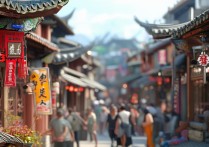
The neighborhood's charm lies in its blend of old and new: the shikumen architecture, with its distinctive stone gates and brick walls, is preserved alongside modern art installations and trendy shops. Visitors can explore the alleyways on foot, discovering hidden courtyards, independent art galleries, and craft shops selling handmade jewelry, clothing, and home decor. Tianzifang is also known for its diverse dining scene, offering everything from traditional Shanghainese cuisine to international fare.
Popular spots in Tianzifang include the Zhou Enlai Former Residence, a historic museum dedicated to the life of the late Chinese premier; the Tianzifang Art Center, which hosts contemporary art exhibitions; and numerous cafes and bars where visitors can relax and soak in the neighborhood's creative vibe. Tianzifang is particularly lively in the evening, when the alleyways are filled with locals and tourists enjoying the nightlife and street performances.
Zhujiajiao Water Town: A Glimpse of Old Shanghai's Canal Life
Often referred to as the "Venice of Shanghai," Zhujiajiao is a well-preserved ancient water town located approximately 50 kilometers from downtown Shanghai. With a history dating back over 1,700 years, Zhujiajiao is built around a network of canals and is known for its traditional stone bridges, ancient streets, and waterway transportation.
The town's most iconic landmark is the Fangsheng Bridge (Crossing-Life Bridge), a five-arch stone bridge built during the Ming Dynasty. Other notable bridges include the Beizhi Bridge (North Wisdom Bridge) and the Anping Bridge (Peace Bridge), each with its own historical significance. Visitors can explore the ancient streets, which are lined with traditional wooden buildings housing teahouses, souvenir shops, and local snack vendors.
One of the best ways to experience Zhujiajiao is by taking a boat ride along the canals, which offers a unique perspective of the town's scenery. Along the way, visitors can see locals washing vegetables in the water, fishing, and going about their daily lives. The town is also known for its local delicacies, such as qingtuan (green rice balls) and xiangdun tofu (fragrant tofu), which can be sampled at the street food stalls.
Zhujiajiao's cultural attractions include the Ke Garden (Ke Yuan), a classical Chinese garden built during the Ming Dynasty, and the Yuanxian Temple (Yuanxian Miao), a Buddhist temple with a history of over 400 years. With its tranquil atmosphere and rich history, Zhujiajiao offers a peaceful escape from the hustle and bustle of Shanghai.
Shanghai Tower: Engineering Marvel and Observation Deck
Standing at 632 meters tall, the Shanghai Tower is the tallest building in China and the second tallest in the world. Completed in 2015, the tower is located in the Lujiazui financial district in Pudong and is renowned for its innovative design and sustainable features. The building's twisting form, inspired by traditional Chinese pagodas, reduces wind loads by 24%, making it more structurally efficient.
The Shanghai Tower houses offices, hotels, retail spaces, and observation decks. The highest observation deck, located on the 118th floor, offers breathtaking views of Shanghai from a height of 476 meters. Visitors can also visit the 100th floor observation deck, which features a glass floor section and a transparent skywalk, providing a thrilling experience for adrenaline junkies.
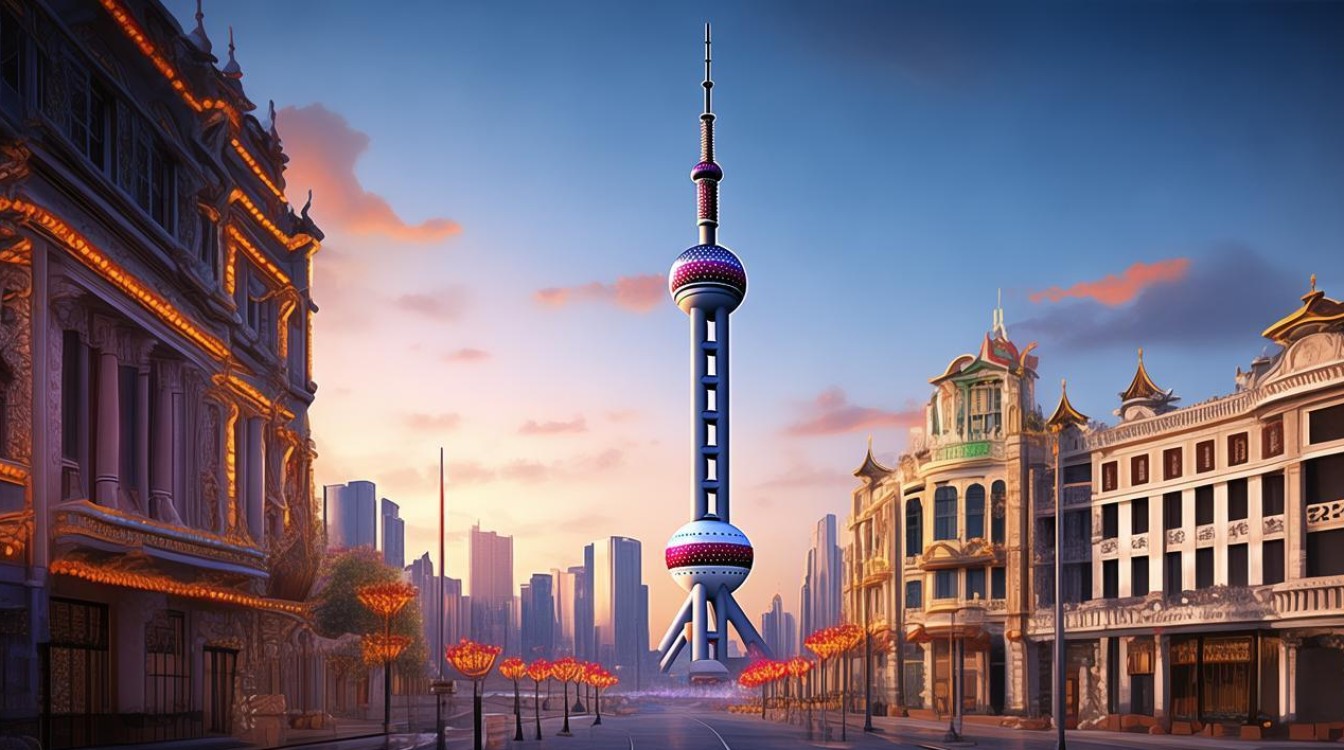
In addition to its observation decks, the Shanghai Tower is a model of sustainable architecture. It incorporates wind turbines, rainwater harvesting systems, and energy-efficient lighting, reducing its environmental impact. The building's design also includes nine vertical zones, each with its own atrium and sky gardens, creating a green oasis in the heart of the city.
Nanjing Road: Shanghai's Premier Shopping Street
Nanjing Road is one of the world's busiest shopping streets and a must-visit destination for shopaholics. Stretching for 5.5 kilometers from the Bund to the People's Square, Nanjing Road is divided into two sections: Nanjing Road East, which focuses on department stores and international brands, and Nanjing Road West, which is known for its luxury boutiques and high-end shops.
The street is lined with historic buildings, modern shopping malls, and traditional shops, offering a diverse shopping experience. Popular attractions along Nanjing Road include the Shanghai No.1 Department Store, a century-old retail institution; the Plaza 66, a luxury mall featuring international brands such as Gucci and Prada; and the Times Square, a shopping and entertainment complex with a cinema and restaurants.
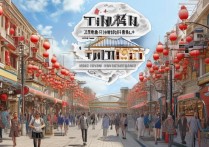
In addition to shopping, Nanjing Road is also a hub of dining and entertainment. Visitors can sample local snacks at the street food stalls, dine at upscale restaurants, or catch a show at one of the nearby theaters. The street is particularly vibrant at night, when the neon lights and illuminated buildings create a lively atmosphere.
Conclusion
Shanghai's attractions offer a fascinating blend of history, culture, and modernity, making it a destination that appeals to a wide range of travelers. From the colonial grandeur of the Bund to the classical beauty of Yu Garden, the futuristic skyline of Pudong to the artistic charm of Tianzifang, the city presents a rich tapestry of experiences. Whether you are interested in exploring ancient water towns, world-class museums, or cutting-edge architecture, Shanghai has something to offer everyone.
FAQs
Q1: What is the best time to visit Shanghai?
A1: The best time to visit Shanghai is during the spring (March to May) and autumn (September to November) when the weather is mild and pleasant. During these seasons, temperatures range from 15°C to 25°C, making it ideal for outdoor activities such as strolling along the Bund or exploring Tianzifang. Summer (June to August) can be hot and humid, with temperatures often exceeding 30°C, while winter (December to February) is cold, with temperatures dropping to around 0°C. However, if you prefer fewer crowds, visiting during the off-peak seasons can be a good option.
Q2: How can I get around Shanghai efficiently?
A2: Shanghai has an efficient and extensive public transportation system, including the metro, buses, and taxis. The metro is the fastest and most convenient way to get around the city, with lines connecting major attractions such as the Bund, Yu Garden, and Pudong. Taxis are also widely available and relatively affordable, but traffic can be heavy during peak hours. For a more unique experience, consider taking a ferry across the Huangpu River to enjoy views of the skyline. Additionally, ride-hailing services like Didi (the Chinese equivalent of Uber) are popular and can be accessed through mobile apps.
版权声明:本文由 数字洲食旅 发布,如需转载请注明出处。





 冀ICP备2021017634号-11
 冀公网安备13062802000116号