

上海旅游景点英文
Shanghai, a vibrant metropolis seamlessly blending Eastern and Western cultures, offers a plethora of captivating attractions that cater to diverse interests. From historic landmarks to modern architectural marvels, cultural enclaves to serene green spaces, the city provides an unforgettable travel experience. For international visitors, understanding the English names and details of these attractions is essential for smooth navigation and deeper appreciation.
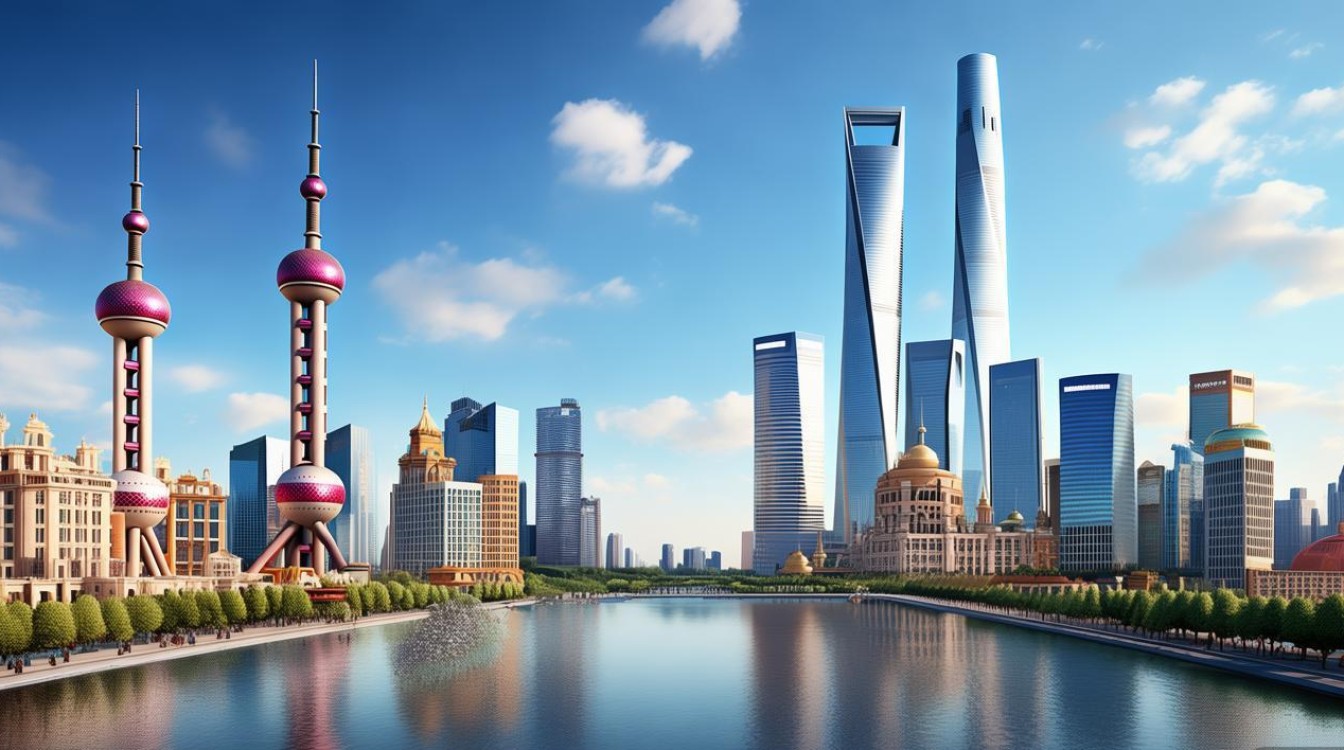
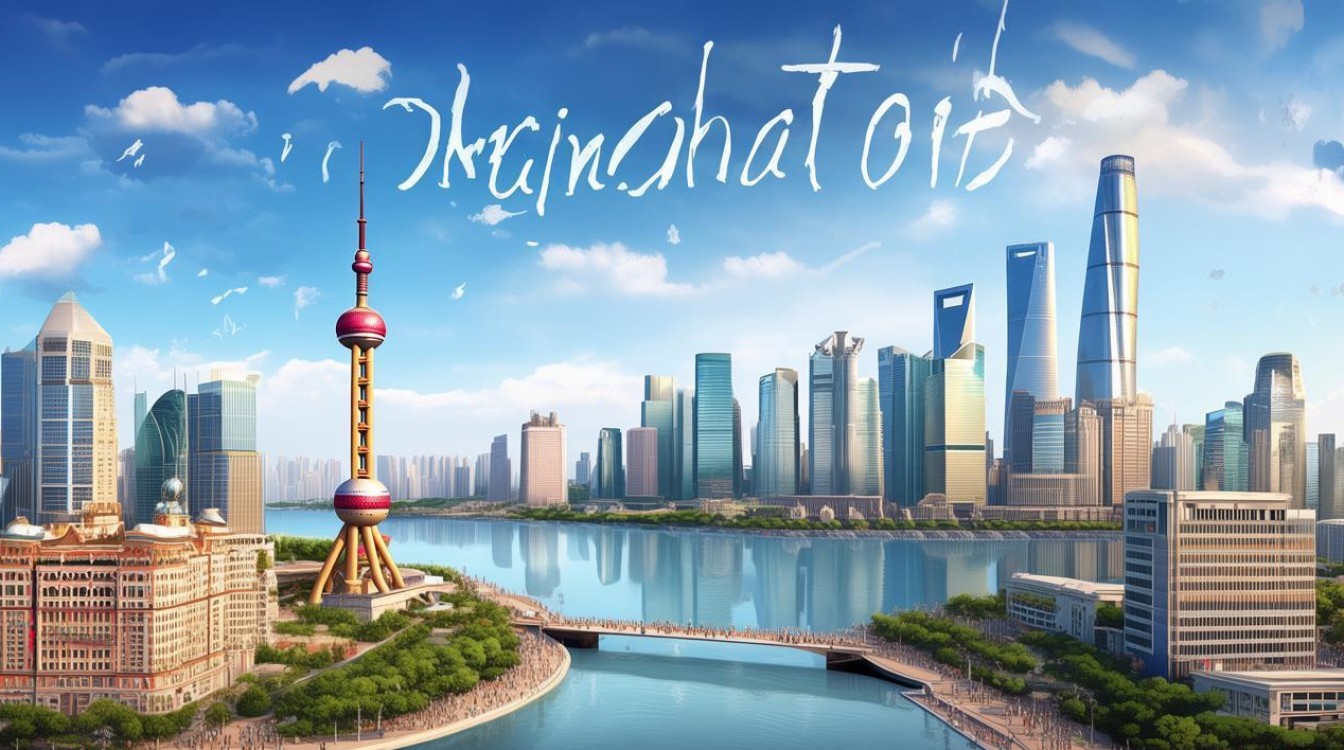
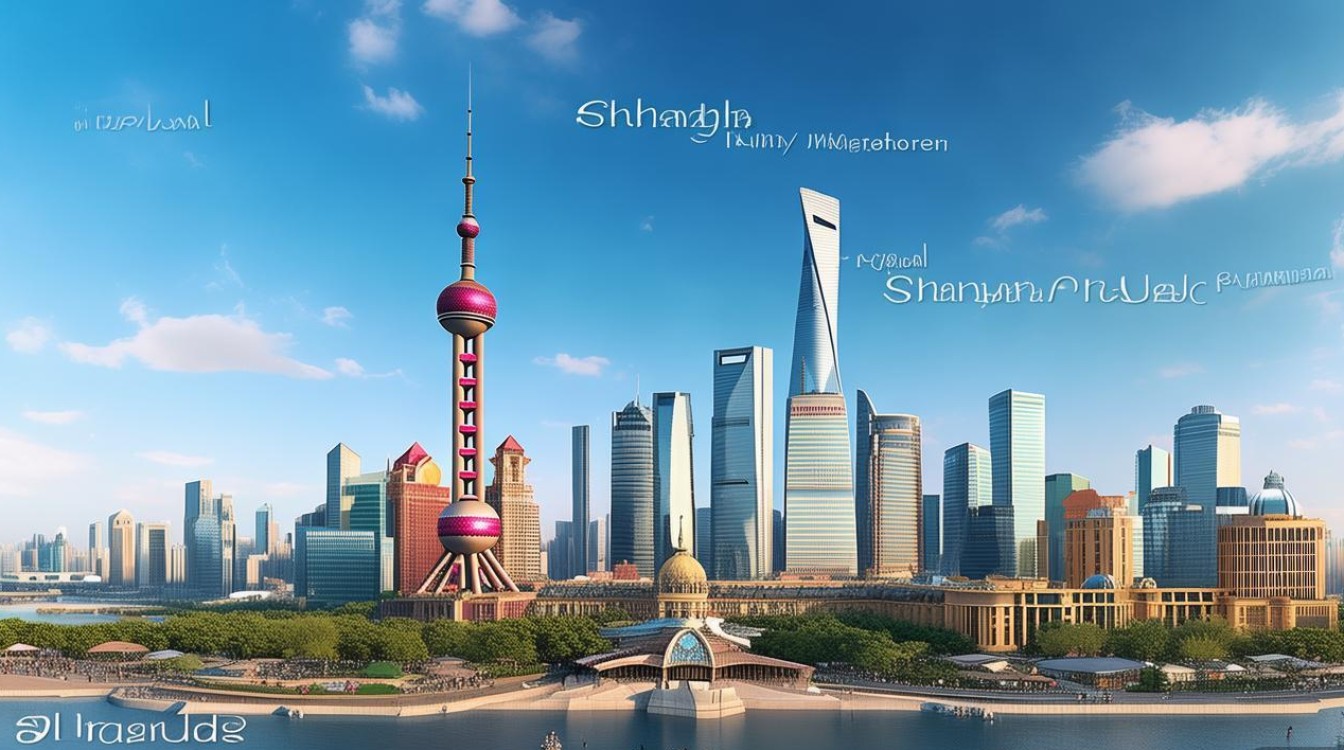
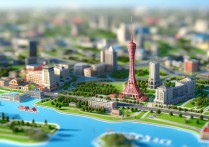
The Bund (Waitan) stands as Shanghai’s most iconic landmark, a waterfront promenade along the Huangpu River. Its historic buildings, showcasing a mix of Gothic, Baroque, and Art Deco styles, reflect the city’s colonial past in the International Settlement. Across the river, the futuristic Pudong skyline dominates the view, with the Oriental Pearl Tower, Shanghai World Financial Center, and Shanghai Tower forming a stunning modern contrast. A visit to the Bund is particularly magical at night when the buildings are illuminated, creating a picturesque scene that symbolizes Shanghai’s blend of history and innovation.
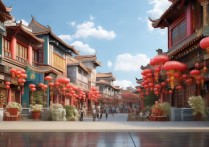
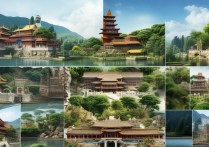
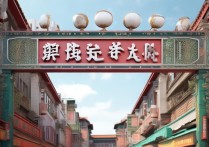
Yu Garden (Yuyuan), located in the Old City, is a classical Chinese garden dating back to the Ming Dynasty. Designed to mimic natural landscapes, it features intricate pavilions, rockeries, lotus ponds, and zigzagging bridges. Adjacent to the garden, the Yuyuan Bazaar bustles with activity, offering traditional snacks, handicrafts, and souvenirs. Visitors can savor local delicacies like xiaolongbao (soup dumplings) and pan-fried buns while immersing themselves in the lively atmosphere of this historic market.
For a glimpse into Shanghai’s modern architectural prowess, the Shanghai Tower in Pudong is a must-visit. Standing at 632 meters, it is the second-tallest building in the world, featuring a unique twisting design that reduces wind resistance. The tower’s observation decks on the 118th and 126th floors offer panoramic views of the city, stretching from the historic Bund to the distant suburbs. Nearby, the Shanghai Ocean Aquarium, one of the largest in Asia, houses a diverse range of marine life, including rare species like the Chinese sturgeon and leafy seadragons.
Those interested in art and culture should head to the Tianzifang area, a labyrinthine neighborhood of narrow alleyways, traditional shikumen (stone-gate) houses, and trendy boutiques, art galleries, and cafes. Once a residential area for French expatriates, Tianzifang has been transformed into a bohemian hub, perfect for leisurely strolls and discovering unique souvenirs. Similarly, the M50 Creative Park, located along the Suzhou River, is a former industrial complex turned art district, featuring studios, galleries, and exhibitions by contemporary Chinese artists.
Shanghai’s religious heritage is also worth exploring. The Jade Buddha Temple, a serene Buddhist monastery, houses two jade Buddha statues brought from Burma in the 19th century. The temple’s tranquil ambiance, adorned with incense and chanting monks, offers a peaceful escape from the bustling city. Meanwhile, the Xujiahui Cathedral, one of the largest Catholic churches in China, showcases Gothic Revival architecture and serves as a reminder of the city’s multicultural history.
For families and nature enthusiasts, Shanghai Disneyland Park provides a magical experience with its themed lands, including Fantasyland, Tomorrowland, and the newly expanded Zootopia. The park’s iconic Enchanted Storybook Castle and thrilling attractions make it a popular destination for visitors of all ages. Alternatively, Chenshan Botanical Garden, located on the city’s outskirts, features a vast collection of plants, themed gardens, and a scenic lake, ideal for a relaxing day outdoors.
To help visitors plan their itinerary, here is a table of key Shanghai attractions with their English names, brief descriptions, and recommended visit durations:
| Attraction Name | Description | Recommended Visit Duration |
|---|---|---|
| The Bund (Waitan) | Historic waterfront with colonial-era buildings and modern skyline views. | 2-3 hours |
| Yu Garden (Yuyuan) | Classical Ming Dynasty garden with traditional architecture and bazaar. | 2-3 hours |
| Shanghai Tower | Modern skyscraper with observation decks and panoramic city views. | 1-2 hours |
| Tianzifang | Bohemian neighborhood with art galleries, cafes, and shikumen houses. | 2-3 hours |
| Shanghai Disneyland Park | Theme park with themed lands, attractions, and entertainment. | Full day |
| Jade Buddha Temple | Buddhist monastery housing jade Buddha statues in a tranquil setting. | 1-2 hours |
In conclusion, Shanghai’s diverse attractions offer something for every traveler, whether they are interested in history, culture, art, or modern entertainment. By familiarizing themselves with the English names and details of these sites, visitors can make the most of their time in this dynamic city and create lasting memories.
FAQs
-
Q: What is the best time to visit Shanghai for sightseeing?
A: The best time to visit Shanghai is during spring (March to May) and autumn (September to November) when the weather is mild and pleasant. Summers (June to August) can be hot and humid, while winters (December to February) are cold but less crowded. -
Q: How can I get around Shanghai to visit these attractions?
A: Shanghai has an efficient public transportation system, including the metro, buses, and taxis. The metro is the most convenient way to travel, with extensive coverage and signs in English. Ride-hailing apps like Didi (similar to Uber) are also widely available and offer affordable fares.
版权声明:本文由 数字洲食旅 发布,如需转载请注明出处。




 冀ICP备2021017634号-11
 冀公网安备13062802000116号