

上海著名景点英文翻译有哪些?
Shanghai, a dynamic metropolis where East meets West, boasts a rich tapestry of attractions that blend historical charm with modern marvels. From iconic landmarks to serene gardens, vibrant neighborhoods to cultural enclaves, the city offers a diverse range of experiences for visitors. Below is a detailed exploration of Shanghai’s most famous tourist attractions, complete with their English names, descriptions, and cultural significance.
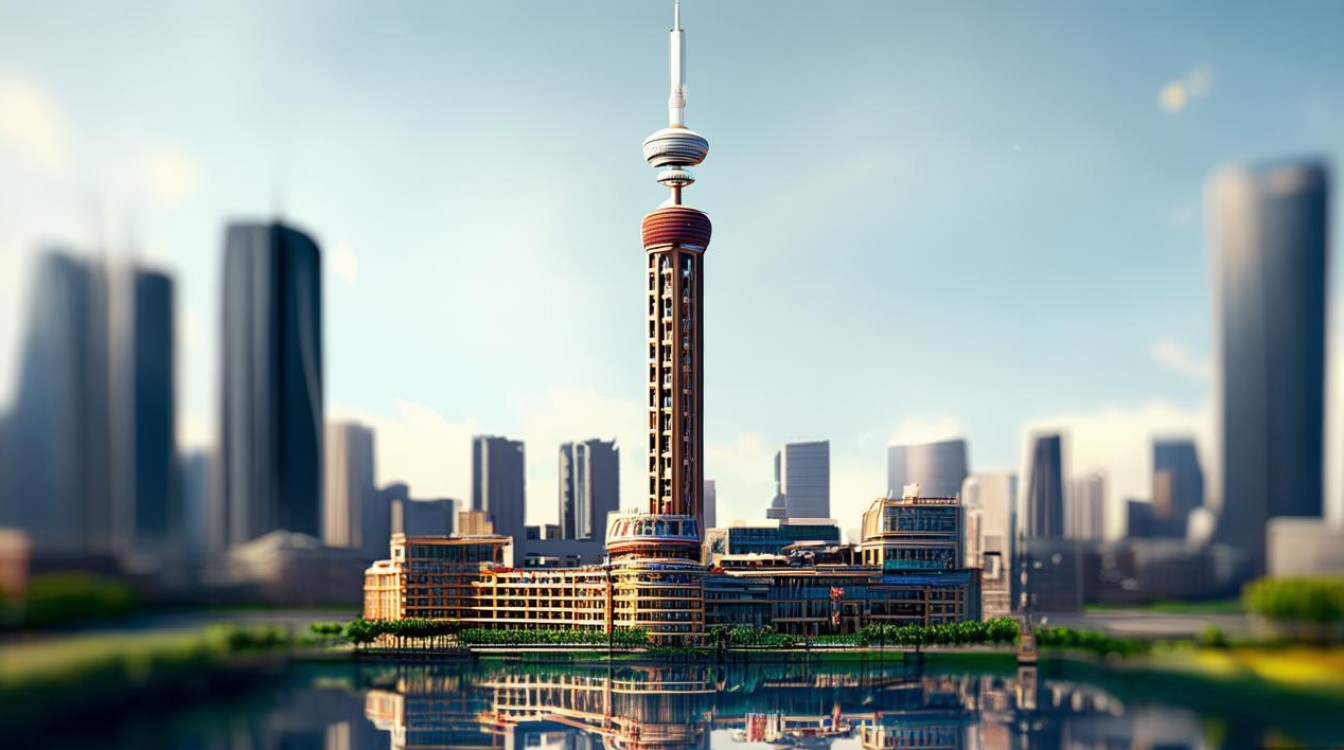
The Bund (Waitan) stands as Shanghai’s most iconic symbol, a historic waterfront stretch along the Huangpu River. Lined with colonial-era buildings in various architectural styles—Gothic, Baroque, Neoclassical, and Art Deco—the Bund showcases the city’s colonial past. Notable structures include the Peace Hotel (Heping Fandian), a legendary Art Deco masterpiece, and the Hongkong and Shanghai Bank Building (HSBC Building), once the most luxurious bank in Asia. Across the river, the futuristic Pudong skyline, dominated by the Oriental Pearl Tower (Dongfang Mingzhu), the Shanghai World Financial Center (SWFC), and the Shanghai Tower, creates a striking contrast. At night, the Bund’s buildings are illuminated, offering a breathtaking view of the city’s skyline reflection on the river.
Yu Garden (Yuyuan), a classical Chinese garden in the Old City, dates back to the Ming Dynasty (1559). Designed to mimic a natural landscape with pavilions, rockeries, ponds, and bridges, it exemplifies the essence of Ming garden design. The garden’s centerpiece, the Exquisite Rockery (Dianchuan Tai), is a man-made mountain with caves and grottoes. Adjacent to the garden is the Yuyuan Bazaar (Yuyuan Shichang), a bustling market where visitors can shop for traditional crafts, silk, and snacks. Nearby, the City God Temple (Chenghuang Miao), a Taoist temple, adds to the area’s cultural allure, with its vibrant incense burners and ornate architecture.
The Shanghai Museum, located in People’s Square, is one of China’s premier museums, housing over 120,000 artifacts spanning ancient Chinese art. Its collection includes ceramics, calligraphy, paintings, jade, bronze, and furniture. The museum’s distinctive round dome and square base symbolize the ancient Chinese belief that “heaven is round and earth is square.” Free entry (with advance booking) makes it accessible to all, while its interactive exhibits and multilingual guides provide an immersive cultural experience.
Nanjing Road (Nanjing Lu), one of the world’s busiest shopping streets, stretches from the Bund to People’s Square. Divided into Nanjing Road East and West, it offers everything from luxury brands at Plaza 66 and IFC Mall to traditional goods at the old-style department stores. The street’s neon lights, bustling crowds, and historic storefronts create an electric atmosphere, especially during festivals when it’s adorned with elaborate decorations.
Xintiandi, a trendy pedestrian-only zone, is a unique blend of traditional shikumen (stone-gate houses) and modern boutiques, cafes, and restaurants. The area preserves the architectural style of Shanghai’s early 20th-century residential quarters while infusing it with contemporary flair. Xintiandi is also known for its nightlife, with rooftop bars and live music venues attracting a fashionable crowd. Nearby, Tianzifang (Tianzifang) is a labyrinthine network of narrow lanes, art galleries, and craft shops, housed in shikumen buildings. It’s a haven for artists and expats, offering a bohemian vibe with its quirky cafes and independent cinemas.
The Oriental Pearl Tower, one of Shanghai’s most recognizable landmarks, was completed in 1994 and stands 468 meters tall. Its design, featuring 11 spheres of varying sizes, is inspired by a Tang Dynasty poem about pearls. The tower’s observation decks provide panoramic views of the city, while its revolving restaurant and space module offer unique dining experiences. At night, the tower’s LED lights display colorful patterns, making it a dazzling spectacle.
Shanghai Disneyland Park, the first Disney resort in mainland China, opened in 2016 and spans 390 acres. With seven themed lands, including Fantasyland, Tomorrowland, and the newly expanded Zootopia, it offers magical experiences for visitors of all ages. Iconic attractions like TRON Lightcycle Power Run and the Pirates of the Caribbean: Battle for the Sunken Treasure showcase cutting-edge technology, while nightly fireworks displays light up the sky.
Zhujiajiao Water Town, an ancient town on the outskirts of Shanghai, is often called the “Venice of the East.” With a history dating over 1,700 years, it features canals, stone bridges, and traditional Ming and Qing Dynasty architecture. Visitors can take a boat ride through the canals, visit the Kezhi Garden (a classical garden with pavilions and ponds), or sample local snacks like qingtuan (green rice dumplings). The town’s serene atmosphere offers a peaceful escape from the bustling city.
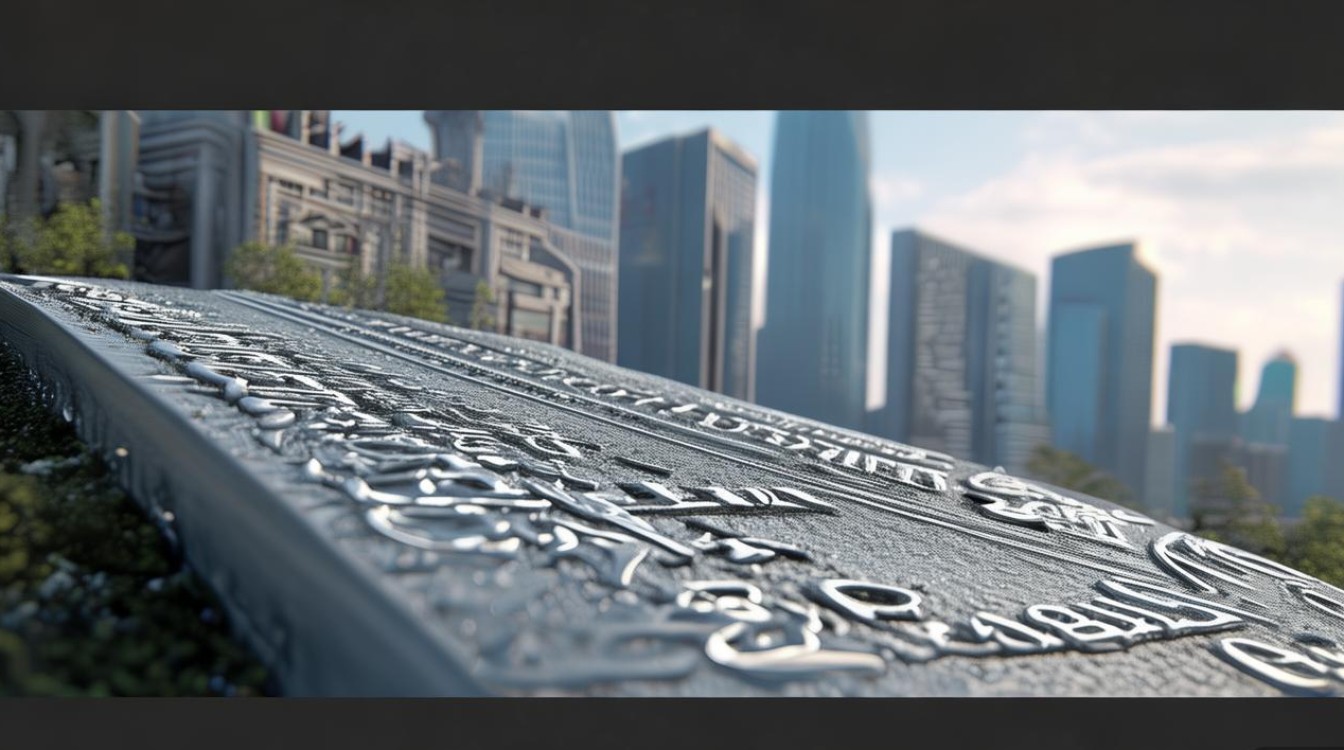
The Shanghai World Financial Center, completed in 2008, is a 492-meter-tall skyscraper known for its trapezoidal aperture at the top, which reduces wind resistance. The building’s observation deck on the 100th floor offers stunning views, while its shopping mall and luxury hotel cater to discerning travelers. Adjacent to it, the Shanghai Tower, completed in 2015, is China’s tallest building and the second tallest in the world, standing at 632 meters. Its twisting design and double-skin façade reduce wind loads and energy consumption, making it a marvel of modern engineering.
Fuxing Park, located in the former French Concession, is a green oasis in the heart of the city. Originally a private garden for French expats, it’s now a public park where locals practice tai chi, dance, and play chess. The park’s central lake, adorned with lotus flowers in summer, and its pavilions and walking paths make it a popular spot for relaxation. Nearby, the Former French Concession’s tree-lined streets, colonial villas, and boutique shops offer a glimpse into Shanghai’s cosmopolitan past.
The Propaganda Art Center, housed in a historic building on Huaihai Road, showcases China’s political and cultural history through a collection of propaganda art from the 1960s to the 1980s. The exhibits include posters, sculptures, and everyday items, reflecting the era’s ideology and aesthetics. It’s a unique attraction for those interested in China’s modern history.
Shanghai Ocean Aquarium, located near the Oriental Pearl Tower, is one of the largest aquariums in Asia. Its main highlight is the 155-meter-long underwater tunnel, where visitors can walk among sharks, rays, and thousands of fish. The aquarium also features themed zones like the China Zone, showcasing endangered native species, and the Antarctic Zone, with its penguin exhibit.
Longhua Temple, Shanghai’s oldest and largest Buddhist temple, dates back to the Three Kingdoms Period (229-280 AD). The temple complex includes the Hall of Heavenly Kings, the Mahavira Hall, and the Three Saints Hall, with its seven-story pagoda, Longhua Pagoda, offering city views. The temple’s tranquil atmosphere, ancient cypress trees, and active incense burners make it a spiritual retreat.
Shanghai Science and Technology Museum, located in Pudong, is a modern museum with interactive exhibits on space, robotics, and natural history. Its highlights include the IMAX theater, the “Spider Pavilion” with live spiders, and the “World of Animals” exhibit. The museum’s futuristic architecture, with its large glass dome, makes it a landmark in its own right.
The Shanghai Grand Theatre, situated in People’s Square, is a world-class performing arts venue designed by French architect Jean-Marie Charpentier. Its iconic curved roof and glass façade reflect traditional Chinese elements. The theatre hosts a variety of performances, including opera, ballet, symphony concerts, and musicals, attracting artists from around the globe.
Zhongshan Park (Zhongshan Gongyuan), named after Sun Yat-sen, is a large urban park in Changning District. It features a lake, a rose garden, and a Ferris wheel offering panoramic views. The park’s lively atmosphere, with street performers and food stalls, makes it a popular spot for families and young people.

The Shanghai Jewish Refugees Museum, located in the former Ohel Moshe Synagogue, tells the story of the 20,000 Jewish refugees who lived in Shanghai during World War II. The museum’s exhibits include historical documents, photos, and personal artifacts, highlighting the city’s role as a safe haven. It’s a poignant reminder of Shanghai’s multicultural history.
Shanghai Circus World, known for its daring acrobatic performances, is a must-visit for entertainment seekers. The shows feature trapeze artists, contortionists, and animal acts, blending traditional Chinese circus with modern techniques. The venue’s grand architecture and state-of-the-art facilities enhance the viewing experience.
The Former Residence of Soong Ching-ling, a beautiful villa in the French Concession, was home to Soong Ching-ling, one of modern China’s most prominent figures. The house is now a museum, displaying her personal belongings and memorabilia, set in a serene garden with blooming flowers and ancient trees.
Shanghai’s attractions offer a fascinating journey through time, from its ancient roots to its futuristic ambitions. Whether exploring the historic Bund, strolling through the tranquil Yu Garden, or marveling at the Pudong skyline, visitors are sure to be captivated by the city’s unique blend of tradition and innovation.
FAQs
-
What is the best time to visit Shanghai’s famous attractions?
The best time to visit Shanghai is during spring (March-May) and autumn (September-November) when the weather is mild and pleasant. Summer (June-August) can be hot and humid, while winter (December-February) is cold but less crowded. Major attractions like the Bund and Yu Garden are popular year-round, so visiting on weekdays or early in the morning can help avoid crowds. -
How can I get around Shanghai to visit these attractions?
Shanghai has an efficient public transportation system, including the metro, buses, and taxis. The metro is the fastest way to travel, with extensive coverage connecting major attractions like the Bund, Yu Garden, and Pudong. Taxis and ride-hailing apps like Didi are also convenient. For a more scenic experience, consider taking a ferry across the Huangpu River or a boat tour in Zhujiajiao Water Town. Walking is also a great option for exploring areas like the Former French Concession and Xintiandi.
版权声明:本文由 数字洲食旅 发布,如需转载请注明出处。




 冀ICP备2021017634号-11
 冀公网安备13062802000116号