

韩国著名景点英文叫什么?有哪些必知的英文名称?
韩国,这个充满活力与魅力的国家,以其独特的文化、美食和现代化的都市景观吸引了全球游客的目光,从历史悠久的宫殿到壮丽的海岸线,从繁华的购物区到宁静的自然风光,韩国著名景点英文介绍不仅能让国际游客更好地了解这些地方,也为计划韩国之旅的人提供了宝贵的参考,以下将详细介绍韩国最具代表性的景点及其英文介绍,帮助您开启一段难忘的韩国探索之旅。
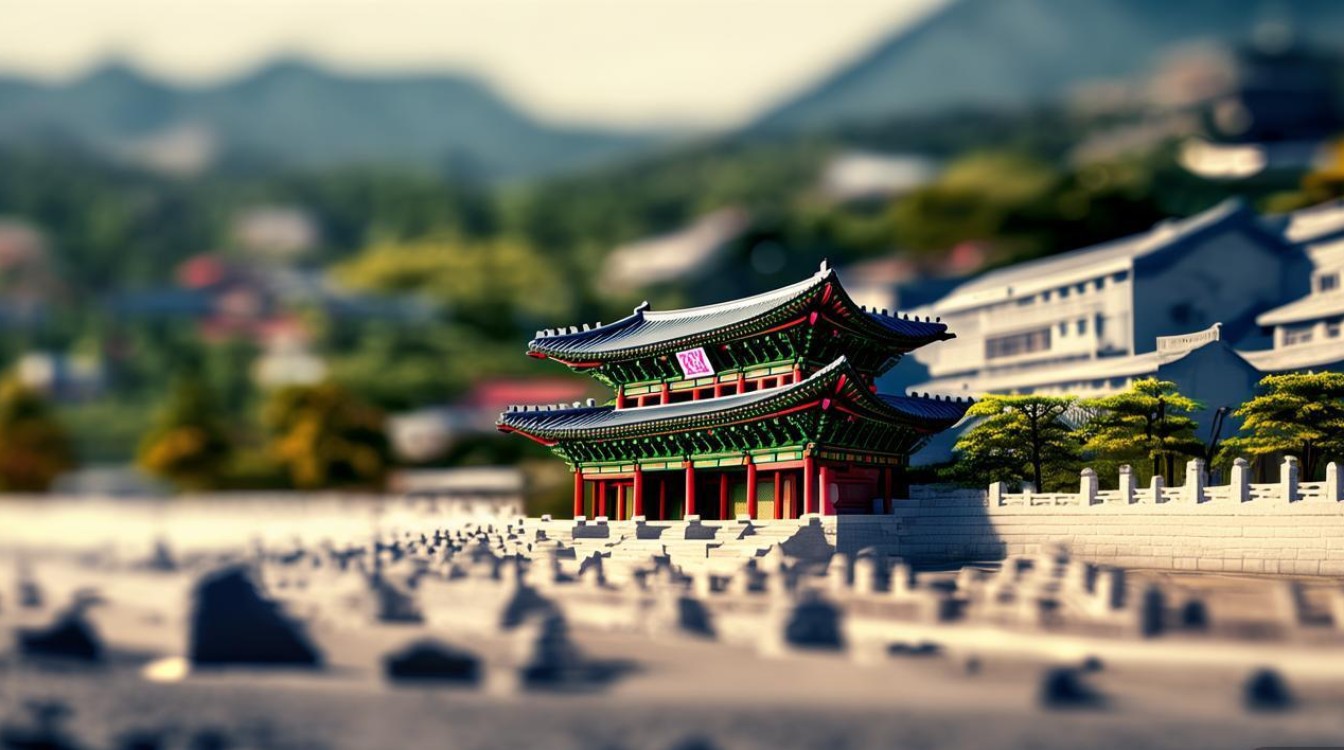
Seoul: The Heart of Korea
Seoul, the capital of South Korea, is a dynamic metropolis where ancient traditions coexist seamlessly with cutting-edge modernity. As the country’s political, economic, and cultural center, Seoul offers a diverse range of attractions that cater to all interests.
Gyeongbokgung Palace: The Grand Royal Residence
Gyeongbokgung Palace, built in 1395, is the largest and most iconic of the Five Grand Palaces in Seoul. Its name translates to "Palace of Shining Happiness," and it served as the main royal residence during the Joseon Dynasty. Visitors can witness the Changing of the Guard ceremony, a vibrant reenactment held at the main gate, Gwanghwamun. The palace’s architecture reflects the elegance of traditional Korean design, with wooden structures, tiled roofs, and lush gardens. Notable structures within the palace include Geunjeongjeon Hall, where the king held official audiences, and Gyeonghoeru Pavilion, a stunning two-story wooden pavilion surrounded by a lotus pond. English audio guides and multilingual signboards are available to enhance the visitor experience.
Bukchon Hanok Village: A Step Back in Time
Nestled between Gyeongbokgung Palace and Changdeokgung Palace, Bukchon Hanok Village is a preserved residential area featuring hundreds of traditional Korean houses, or hanoks. Dating back to the Joseon Dynasty, these hanoks with their curved tile roofs and wooden frames offer a glimpse into Korea’s past. While still inhabited by local residents, the village is open to tourists, who can wander through its narrow alleyways, visit cultural centers to learn about traditional crafts like pottery and calligraphy, or enjoy a cup of tea in a hanok café. The village’s hilltop location provides panoramic views of the surrounding palaces and modern skyscrapers, creating a striking contrast between old and new.
Myeongdong: Shopper’s Paradise
Myeongdong is Seoul’s premier shopping district, known for its bustling streets, flagship stores, and vibrant street food stalls. From international brands like Samsung and LG to Korean cosmetics such as Innisfree and Etude House, Myeongdong offers endless shopping opportunities. The area comes alive at night, with neon lights illuminating the streets and vendors selling delicious treats like tteokbokki (spicy rice cakes), hotteok (sweet pancakes), and skewered grilled meats. For beauty enthusiasts, Myeongdong is a must-visit, as it is home to numerous duty-free shops and pop-up stores where visitors can sample and purchase the latest Korean beauty products.
N Seoul Tower: Iconic Landmark with Panoramic Views
Perched on Namsan Mountain, N Seoul Tower is one of Seoul’s most recognizable landmarks. Originally built as a television broadcasting tower, it has since become a popular tourist destination offering breathtaking views of the city. Visitors can reach the tower via cable car or a scenic hike up Namsan Mountain. At the top, the observatory provides 360-degree vistas of Seoul’s skyline, while the "Locks of Love" area is adorned with thousands of padlocks, symbolizing eternal love. The tower also features restaurants, cafes, and a digital art exhibition, making it a perfect spot for both day and night visits.
Jeju Island: Natural Wonder of Korea
Jeju Island, located off the southern coast of South Korea, is a volcanic island renowned for its stunning natural landscapes, pristine beaches, and unique cultural heritage. Designated as a UNESCO World Heritage Site, Jeju is a favorite destination for both domestic and international travelers seeking relaxation and adventure.
Hallasan Mountain: The Sacred Peak
Hallasan Mountain, Jeju’s highest peak at 1,950 meters, is an extinct volcano and a symbol of the island. The mountain is surrounded by Hallasan National Park, which features diverse flora and fauna, including rare plants like the Jeju azalea. Several hiking trails lead to the summit, with the Seongpanak and Gwaneumsa trails being the most popular. The crater at the summit, called Baengnokdam, is a stunning lake that freezes in winter, creating a magical landscape. Hallasan is considered sacred in Korean culture, and it is said that gods and spirits reside on the mountain.
Jeongjagwan Coastal Area: Black Sand Beaches
Jeongjagwan, located on the eastern coast of Jeju, is famous for its unique black sand beaches, formed from volcanic lava. The contrast between the dark sand and the turquoise waters of the East Sea creates a dramatic and picturesque setting. Visitors can relax on the beach, try water sports like surfing or snorkeling, or explore the nearby Seongsan Ilchulbong Peak, also known as Sunrise Peak. This tuff cone crater rises 182 meters from the sea and is best climbed at dawn to witness the spectacular sunrise over the horizon.
Cheonjeyeon Waterfalls: The Seven Wonders
Cheonjeyeon Waterfalls, meaning "garden of the fairies," is a series of three-tiered waterfalls surrounded by subtropical gardens. The area is divided into three parts: Cheonjeyeon Falls, Yeomiji Botanical Garden, and a sculpture park. The waterfalls are fed by underground springs, and the cool mist creates a refreshing atmosphere, especially during the hot summer months. Visitors can walk along wooden bridges that cross the streams, admiring the lush vegetation and cascading waters. Cheonjeyeon is also home to the "Seven Wonders," including stone bridges and pagodas, each with its own legend and significance.
Busan: Korea’s Coastal Gem
Busan, South Korea’s second-largest city, is a vibrant coastal destination known for its lively beaches, bustling markets, and rich maritime history. As a major port city, Busan offers a unique blend of urban energy and natural beauty.
Haeundae Beach: The Most Famous Beach in Korea
Haeundae Beach is Busan’s most iconic attraction, stretching 1.5 kilometers along the coast. With its fine white sand and clear blue waters, it is a popular spot for swimming, sunbathing, and water sports. The beach comes alive in summer, when millions of visitors flock to enjoy the Busan International Film Festival (BIFF) and various beach festivals. Nearby attractions include Dongbaek Island, a short hike offering panoramic views of the beach and the city, and the Busan Aquarium, home to thousands of marine species.
Gamcheon Culture Village: The "Machu Picchu of Busan"
Gamcheon Culture Village, often referred to as the "Machu Picchu of Busan," is a colorful hillside community transformed into an open-air art museum. Originally a poor neighborhood, the village was revitalized in the 2000s when local artists began decorating the houses with vibrant murals, sculptures, and installations. Today, visitors can wander through the maze-like alleyways, admiring the artistic displays and enjoying panoramic views of the city. The village also features numerous cafes, galleries, and craft shops, making it a hub for creativity and culture.
Jagalchi Fishery Market: Seafood Lover’s Paradise
Jagalchi Fishery Market is Korea’s largest seafood market, located near the Busan Port. Here, visitors can find a wide variety of fresh seafood, including fish, crabs, octopus, and seaweed, much of which is caught daily by local fishermen. The market is divided into two sections: an indoor market where vendors sell raw seafood, and an outdoor market where restaurants offer freshly prepared dishes like sashimi, grilled fish, and seafood stews. Visitors can also participate in seafood cooking classes, where they learn to prepare traditional Korean dishes using the freshest ingredients.
Gyeongju: The "Museum Without Walls"
Gyeongju, the ancient capital of the Silla Kingdom (57 BCE–935 CE), is a city steeped in history and culture. Known as the "museum without walls," it is home to numerous UNESCO World Heritage Sites and historical landmarks that offer a glimpse into Korea’s golden age.
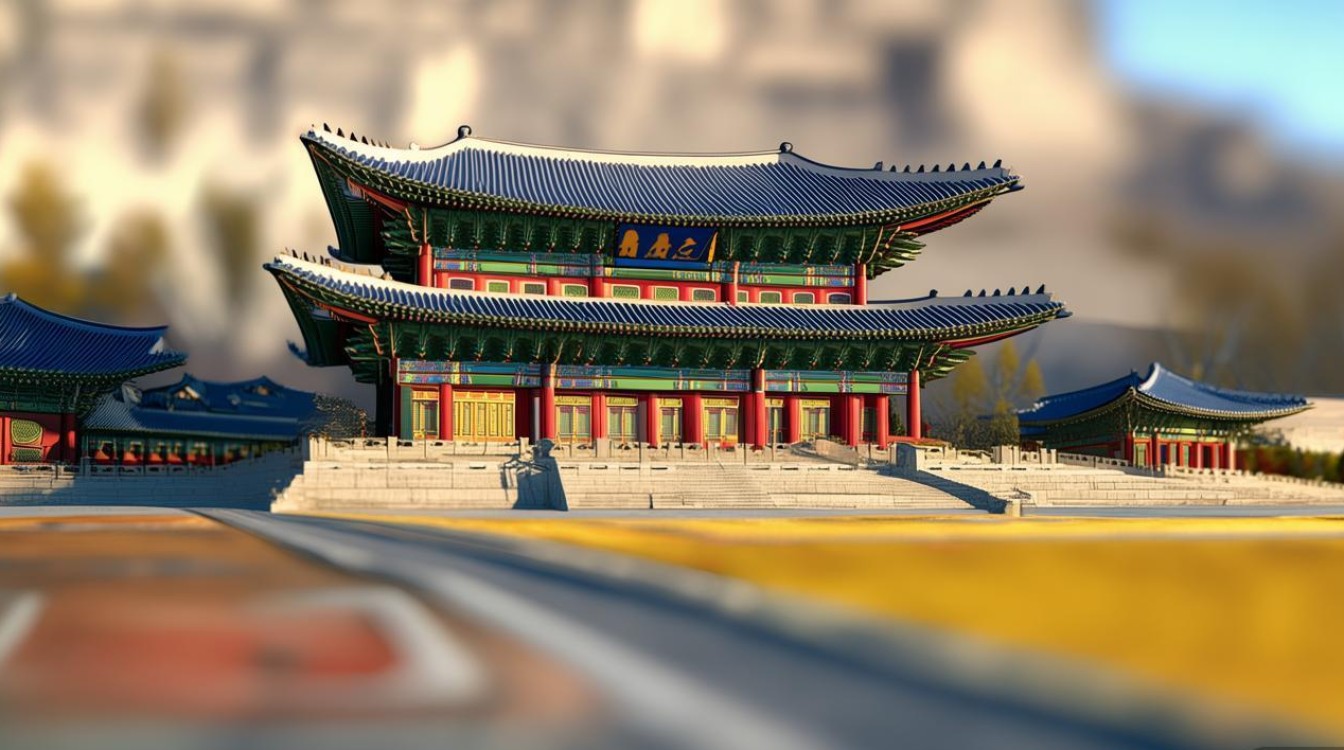
Bulguksa Temple: A Masterpiece of Buddhist Architecture
Bulguksa Temple, built in 535 CE and reconstructed in the 8th century, is one of Korea’s most important Buddhist temples. The temple is renowned for its exquisite architecture, which harmoniously blends traditional Korean and Chinese styles. Key structures within the temple include Daeungjeon Hall, the main sanctuary housing a statue of Sakyamuni Buddha, and two stone pagodas, Seokgatap and Dabotap, which are considered national treasures. The temple’s name, "Bulguksa," translates to "Temple of the Buddha Land," reflecting its spiritual significance.
Seokguram Grotto: A Sacred Buddhist Shrine
Located on the slopes of Toham Mountain, Seokguram Grotto is a man-made cave temple and one of Korea’s finest examples of Buddhist art. Built in the 8th century, the grotto houses a magnificent statue of Amitabha Buddha, seated on a lotus throne and surrounded by 39 Bodhisattvas and disciples. The statue is carved from a single piece of granite and is renowned for its serene expression and intricate details. Seokguram Grotto is part of the same religious complex as Bulguksa Temple and is considered a masterpiece of Silla art and architecture.
Gyeongju National Museum: Treasures of Silla
Gyeongju National Museum is the largest museum in Korea, dedicated to preserving and showcasing the artifacts of the Silla Kingdom. The museum’s collection includes over 16,000 items, ranging from gold crowns and jewelry to pottery and Buddhist sculptures. Highlights include the Gold Crown of Silla, a stunning example of Silla craftsmanship, and the Bell of King Seongdeok, one of Korea’s most famous national treasures. The museum’s outdoor exhibition features large stone monuments and pagodas, providing a immersive experience of Silla culture.
Conclusion
From the bustling streets of Seoul to the natural wonders of Jeju Island, the coastal charm of Busan, and the historical treasures of Gyeongju, Korea offers a diverse range of attractions that cater to every traveler. Whether you are interested in history, culture, nature, or shopping, Korea’s famous landmarks provide a unique and unforgettable experience. By exploring these iconic destinations, visitors can gain a deeper appreciation for Korea’s rich heritage and dynamic modernity.
FAQs
What is the best time to visit Korea’s famous attractions?
The best time to visit Korea is during the spring (April to May) and autumn (September to November) when the weather is mild and pleasant. Spring is ideal for cherry blossom season, while autumn offers stunning foliage. Summer (June to August) is peak season, with many festivals and beach activities, but it can be hot and humid. Winter (December to February) is perfect for skiing and enjoying winter festivals, though temperatures can be very cold, especially in northern regions like Seoul.
Are English-speaking guides available at major tourist sites in Korea?
Yes, most major tourist sites in Korea, such as Gyeongbokgung Palace, Bulguksa Temple, and N Seoul Tower, offer English-speaking guides or audio guides. Many signboards and brochures are also available in English, Japanese, and Chinese. For a more personalized experience, visitors can hire professional tour guides through local tourism agencies or hotel concierge services. Additionally, some attractions offer multilingual apps or QR codes that provide detailed information in various languages.
版权声明:本文由 数字洲食旅 发布,如需转载请注明出处。





 冀ICP备2021017634号-11
 冀公网安备13062802000116号