

加拿大著名景点英文叫什么?
Canada is a country renowned for its breathtaking natural landscapes, vibrant cities, and rich cultural heritage, offering a diverse array of attractions that captivate visitors from around the globe. From the majestic Rocky Mountains to the stunning coastal vistas of the Maritimes, Canada’s famous landmarks and destinations showcase the country’s unparalleled beauty and unique character. Among these, several sites stand out as iconic symbols of Canada’s natural and cultural splendor, drawing millions of tourists each year who seek to immerse themselves in the country’s wonders.

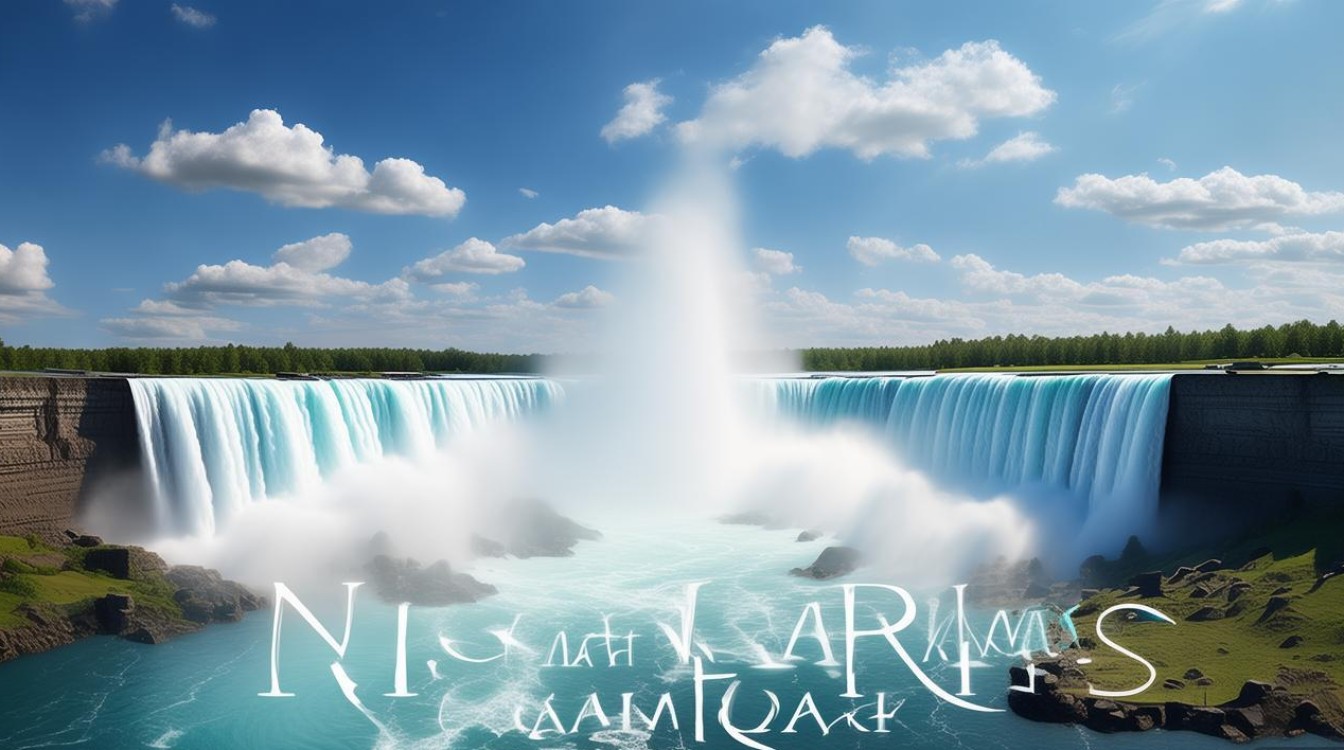
One of the most celebrated destinations is Niagara Falls, a world-famous natural wonder located on the border between Ontario, Canada, and New York, United States. Comprising three waterfalls—Horseshoe Falls, American Falls, and Bridal Veil Falls—Niagara Falls is the largest group of waterfalls in the world by volume, with over 3,000 tons of water flowing over the cliffs every second. The Canadian side offers the most panoramic views, particularly from Table Rock Centre and the Journey Behind the Falls, where visitors can experience the thunderous roar and mist up close. The falls are also a hub of activity, featuring boat tours like the Hornblower Niagara Cruises, which take passengers to the base of the Horseshoe Falls for an exhilarating encounter with the cascading waters. Additionally, the surrounding area includes attractions such as Clifton Hill, a bustling entertainment district with museums, restaurants, and themed attractions, making Niagara Falls a must-visit destination for thrill-seekers and nature enthusiasts alike.
In the heart of the Canadian Rockies, Banff National Park stands as a testament to the country’s untamed wilderness. Established in 1885 as Canada’s first national park, Banff is a UNESCO World Heritage site renowned for its towering peaks, turquoise lakes, and abundant wildlife. Lake Louise, often called the “Jewel of the Rockies,” is perhaps the park’s most iconic feature, with its striking emerald waters reflecting the surrounding Victoria Glacier. Visitors can enjoy a variety of activities, from hiking and canoeing in the summer to skiing and snowboarding in the winter at the nearby Banff Sunshine Village. The town of Banff, nestled within the park, offers a charming alpine ambiance with its boutique shops, art galleries, and hot springs. Another highlight is the Icefields Parkway, a scenic drive that connects Banff to Jasper National Park, passing by breathtaking sights such as the Columbia Icefield and the Athabasca Falls. For those seeking adventure, the park’s backcountry provides endless opportunities for camping, wildlife spotting, and exploring remote trails, making Banff National Park a paradise for outdoor enthusiasts.
Further east, the historic city of Quebec City offers a glimpse into Canada’s French colonial past. The only walled city in North America, Quebec City’s Old Town is a UNESCO World Heritage site, characterized by its cobblestone streets, 17th-century architecture, and iconic landmarks such as the Château Frontenac, a grand hotel perched on a cliff overlooking the St. Lawrence River. Visitors can explore the historic Plains of Abraham, the site of a pivotal battle in 1759 that shaped Canada’s history, or stroll through the Petit Champlain district, one of North America’s oldest commercial areas. The city’s rich cultural heritage is also reflected in its cuisine, with renowned dishes such as poutine and tourtière, as well as its vibrant festivals, including the Quebec Winter Carnival, one of the world’s largest winter festivals. For panoramic views of the city and the river, a visit to the Observatoire de la Capitale or the Montmorency Falls, a waterfall taller than Niagara, is highly recommended. Quebec City’s unique blend of history, culture, and natural beauty makes it a standout destination for travelers interested in Canada’s diverse heritage.
On the opposite coast, Vancouver’s Stanley Park stands as a lush oasis in the midst of a bustling urban center. Spanning over 1,000 acres, Stanley Park is one of North America’s largest urban parks and a beloved recreational area for locals and tourists alike. The park’s Seawall, a 10-kilometer pathway that circles the park, offers stunning views of the city skyline, the North Shore mountains, and the Pacific Ocean. Highlights within the park include the Vancouver Aquarium, one of Canada’s largest aquariums, the totem poles at Brockton Point, and the serene Lost Lagoon, a haven for birdwatching. Stanley Park also features dense forests, manicured gardens, and beaches, making it ideal for activities such as cycling, picnicking, and hiking. The park’s accessibility and natural beauty have made it an iconic symbol of Vancouver, attracting visitors year-round to experience its tranquility and scenic vistas.
In the Arctic region, Nunavut’s Auyuittuq National Park offers a rugged and remote adventure for those seeking to explore Canada’s northern wilderness. Translating to “the land that never melts,” Auyuittuq is home to some of the most dramatic landscapes in the country, including fjords, glaciers, and the iconic Mount Asgard, a twin-peaked mountain featured in the James Bond film The Spy Who Loved Me. The park is accessible only by plane or boat, and visitors can embark on hiking expeditions such as the Akshayuk Pass, a historic trail used by Inuit for centuries for travel and trade. Wildlife viewing is another major draw, with opportunities to spot polar bears, narwhals, and Arctic foxes in their natural habitat. Auyuittuq National Park is a destination for the intrepid traveler, offering a raw and unspoiled glimpse into the Arctic’s pristine beauty and the resilience of its indigenous cultures.
Canada’s famous attractions not only highlight the country’s natural diversity but also its cultural richness and historical significance. From the thundering cascades of Niagara Falls to the ancient glaciers of Auyuittuq, each destination offers a unique experience that showcases the best of what Canada has to offer. Whether visitors are seeking adventure, relaxation, or cultural immersion, Canada’s iconic landmarks provide unforgettable memories and a deep appreciation for the country’s boundless beauty and heritage.
FAQs
-
What is the best time to visit Niagara Falls?
The best time to visit Niagara Falls is during the summer months (June to August) when the weather is warm and all attractions, including boat tours and observation decks, are fully operational. However, for fewer crowds and potentially lower accommodation costs, the shoulder seasons of spring (April to May) and fall (September to October) are also excellent times to visit. Winter (November to March) offers a unique experience with frozen ice formations and the popular Niagara Falls Winter Festival of Lights, but some outdoor activities may be limited due to cold temperatures.
-
How can I explore Banff National Park if I don’t have a car?
Banff National Park is well-connected by public transportation and shuttle services, making it accessible even without a car. The Roam public bus system operates within the town of Banff and connects to nearby attractions such as Lake Louise and Johnston Canyon. Additionally, several tour companies offer guided excursions to popular sites, including the Columbia Icefield and Moraine Lake, with hotel pick-up and drop-off services. For more flexibility, consider using ride-sharing services or renting a bike to explore the town and surrounding trails. The park’s shuttle services, such as the Lake Louise Summer Gondola and the Banff Gondola, also provide convenient access to scenic viewpoints and hiking trails.
版权声明:本文由 数字洲食旅 发布,如需转载请注明出处。
















 冀ICP备2021017634号-11
 冀公网安备13062802000116号