

上海景点英文名称怎么读?有哪些常用表达?
Shanghai, a vibrant metropolis seamlessly blending Eastern and Western cultures, offers a myriad of attractions that cater to diverse interests. From iconic historical landmarks to modern architectural marvels, the city’s landscape is a testament to its rich heritage and dynamic evolution. This article explores some of Shanghai’s most notable tourist spots, providing insights into their cultural significance, architectural features, and visitor experiences.
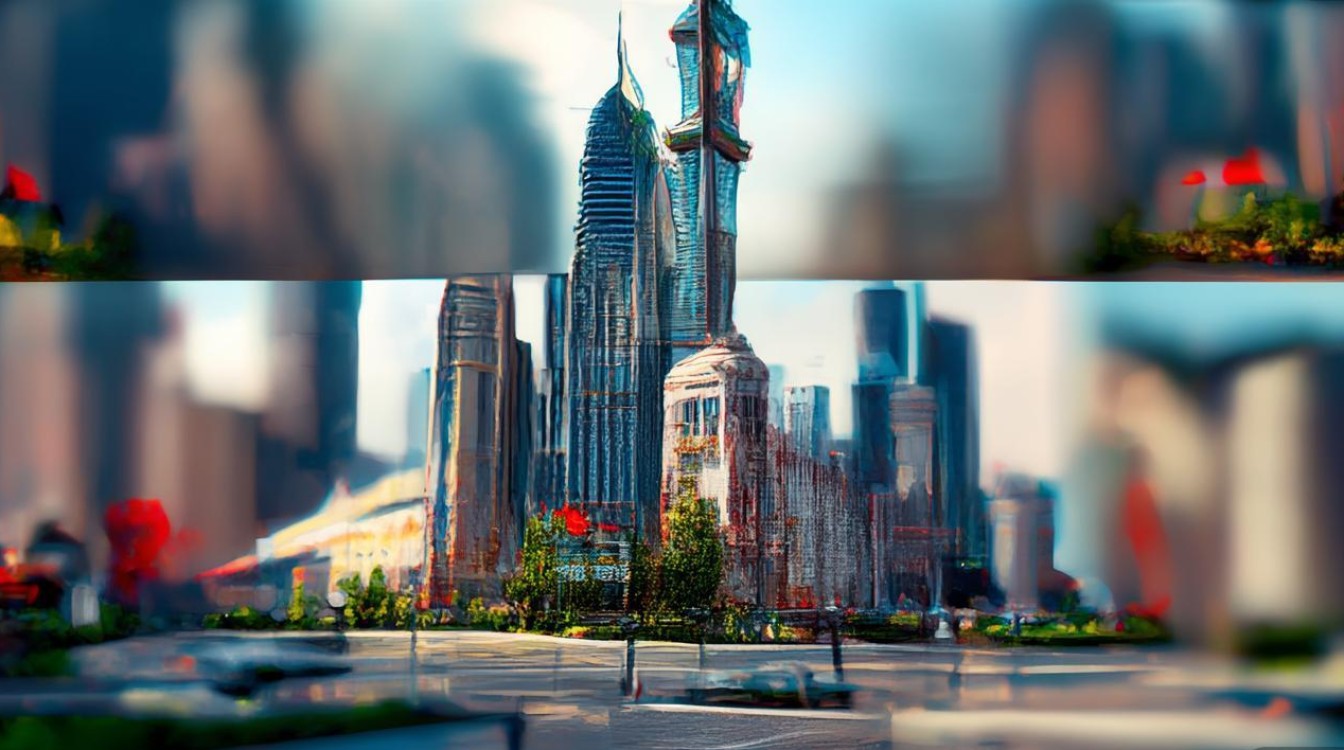
One of the most iconic symbols of Shanghai is the Bund (Waitan). Stretching along the Huangpu River, this waterfront promenade is renowned for its collection of colonial-era buildings, which reflect the city’s historical role as a hub of international trade. The architectural styles along the Bund range from Gothic and Baroque to Art Deco, with structures like the Peace Hotel and the former Hong Kong and Shanghai Banking Corporation Building standing as prime examples. On the opposite bank of the river, the futuristic skyline of Pudong district creates a striking contrast, with skyscrapers such as the Oriental Pearl Tower, the Shanghai World Financial Center, and the Jin Mao Tower dominating the horizon. A visit to the Bund is particularly enchanting at night when the buildings are illuminated, offering a breathtaking view of the city’s skyline reflected on the water.
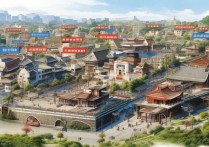
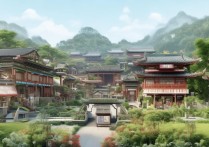
For those interested in traditional Chinese culture, the Yu Garden (Yuyuan) is a must-visit. Located in the Old City area, this classical garden dates back to the Ming Dynasty and is celebrated for its exquisite design, which harmoniously integrates pavilions, rockeries, ponds, and winding pathways. The garden’s layout follows the principles of Chinese landscape design, aiming to create a microcosm of natural beauty within an urban setting. Adjacent to the garden, the Yuyuan Bazaar is a bustling marketplace where visitors can explore traditional crafts, sample local snacks, and shop for souvenirs. Nearby, the City God Temple (Chenghuang Miao) offers further insight into Shanghai’s religious and cultural history, with its ornate architecture and vibrant atmosphere.
Shanghai’s modernity is on full display at the Shanghai Museum, located in People’s Square. This world-class institution houses an extensive collection of ancient Chinese art, including ceramics, calligraphy, paintings, and bronzes. The museum’s architecture itself is a work of art, designed to resemble a ancient Chinese bronze ding, with a circular base and a square top symbolizing the concept of “round sky and square earth.” Visitors can spend hours exploring the museum’s galleries, which provide a comprehensive overview of China’s artistic and cultural heritage. For a more contemporary cultural experience, the M50 Creative Park, a former industrial complex turned art district, features numerous galleries, studios, and cafes, showcasing the works of both established and emerging artists.
Families and thrill-seekers will enjoy a visit to Shanghai Disneyland Resort, the first Disney park in mainland China. Spanning over 1,000 acres, the resort features two theme parks—Disneyland Park and Disneytown—as well as the Wishing Star Park. Disneyland Park offers classic attractions such as “it’s a small world” and Pirates of the Caribbean, along with uniquely themed areas like Gardens of Imagination and Treasure Cove. The resort’s nighttime spectacular, “Ignite the Dream,” a dazzling display of fireworks, lasers, and music, is not to be missed. For a more educational experience, the Shanghai Science and Technology Museum provides interactive exhibits on topics ranging from space exploration to artificial intelligence, making it an ideal destination for visitors of all ages.
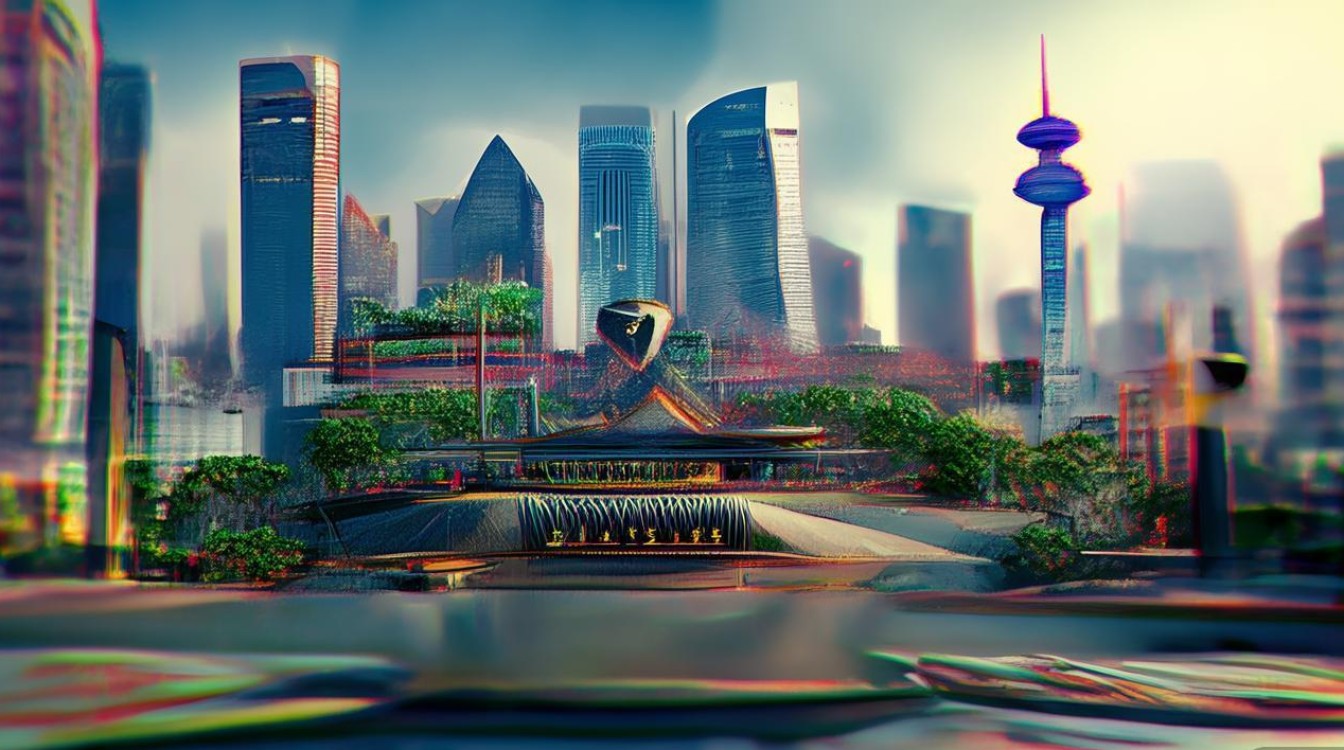
To better plan a visit to Shanghai, here is a table summarizing some of the city’s top attractions, along with their key features and recommended visiting times:
| Attraction | Key Features | Recommended Visiting Time |
|---|---|---|
| The Bund | Colonial architecture, river views, skyline illumination at night | Evening for best lighting |
| Yu Garden | Classical Chinese garden, traditional bazaar, City God Temple | Morning to avoid crowds |
| Shanghai Museum | Ancient Chinese art, cultural relics, architectural design | 2-3 hours |
| Shanghai Disneyland | Theme park rides, themed areas, nighttime spectaculars | Full day |
| M50 Creative Park | Art galleries, studios, local artists’ works | Afternoon for gallery tours |
In addition to these attractions, Shanghai offers numerous other experiences, such as strolling through the French Concession’s tree-lined streets, exploring the trendy neighborhoods of Xintiandi and Tianzifang, or enjoying a cruise on the Huangpu River. Each district has its own unique charm, reflecting the city’s diverse cultural tapestry.
FAQs
-
What is the best time to visit Shanghai?
The best time to visit Shanghai is during spring (March to May) and autumn (September to November), when the weather is mild and pleasant. Summers (June to August) can be hot and humid, while winters (December to February) are cold and occasionally damp. Avoid national holidays, such as the Chinese New Year, when tourist sites are crowded.
-
How can I get around Shanghai efficiently?
Shanghai has an extensive and efficient public transportation system, including the metro, buses, and taxis. The metro is the most convenient option, with lines connecting major attractions, airports, and train stations. Taxis and ride-hailing services like Didi are also widely available. For short distances, consider renting a bicycle or using shared bike services.
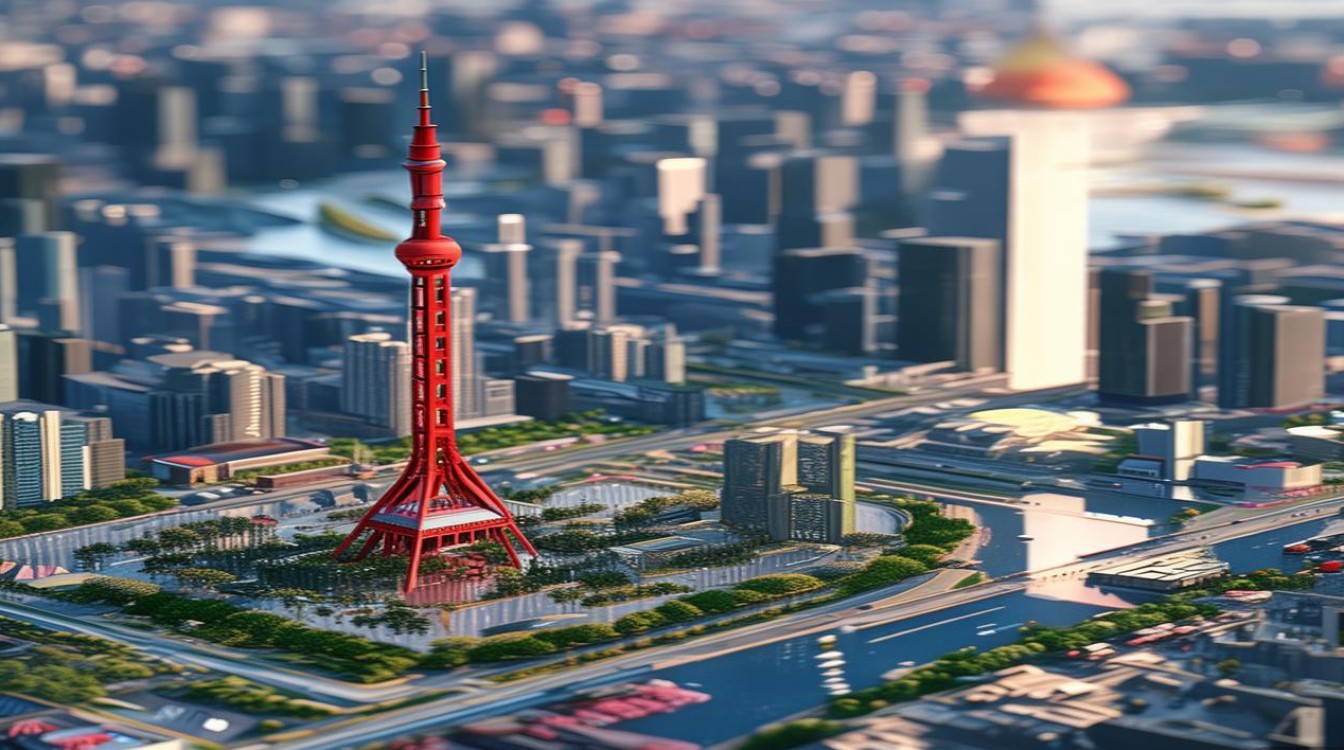
Shanghai’s blend of history, culture, and modernity makes it a captivating destination for travelers. Whether exploring its iconic landmarks, immersing in its artistic scene, or enjoying its world-class entertainment, visitors are sure to create unforgettable memories in this dynamic city.
版权声明:本文由 数字洲食旅 发布,如需转载请注明出处。






 冀ICP备2021017634号-11
 冀公网安备13062802000116号