

景点中英文介绍,如何准确翻译文化特色词汇?
景点中英文介绍是旅游文化传播的重要载体,既能帮助国际游客快速了解景点特色,也能促进中外文化的交流与互鉴,以下从自然景观、人文历史、现代地标三大类别,选取代表性景点进行中英文详细介绍,内容涵盖景点概况、核心亮点、文化内涵及实用信息,力求全面展现景点的独特魅力。
自然景观类:以张家界国家森林公园为例
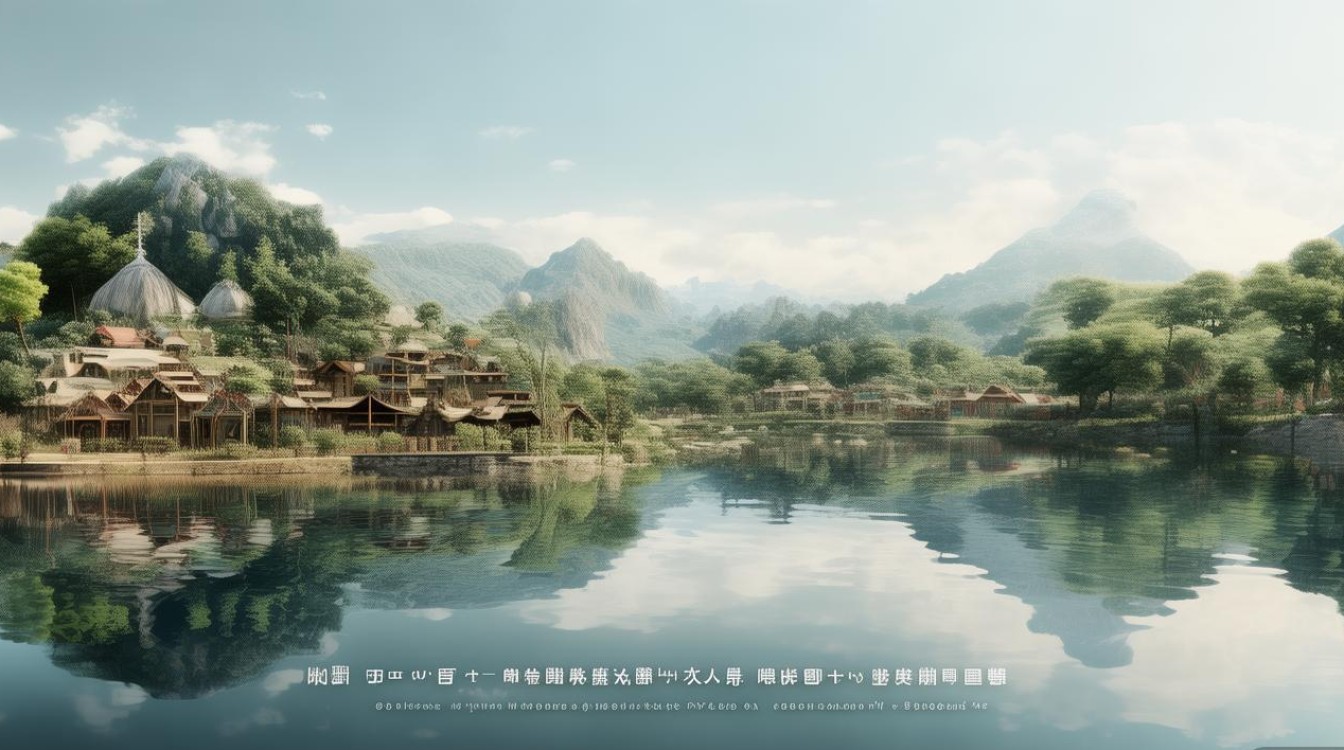
张家界国家森林公园位于湖南省西北部,是中国第一个国家森林公园,也是世界自然遗产、世界地质公园,公园以其独特的石英砂岩峰林地貌著称,3000多座奇峰拔地而起,形态各异,云雾缭绕间宛如仙境,为电影《阿凡达》中“哈利路亚山”的原型,吸引了全球无数游客。
中文介绍
张家界国家森林公园的核心景区包括金鞭溪、袁家界、杨家界、天子山等,总面积达4810公顷,园内森林覆盖率高达98%,拥有珙桐、红豆杉、银杏等珍稀植物,以及娃娃鱼、红腹锦鸡等野生动物,是名副其实的“天然氧吧”和“生物基因库”,金鞭溪是一条长约5.7公里的峡谷溪流,因溪畔有一座形似鞭子的山峰“金鞭岩”而得名,溪水清澈见底,两岸峰林耸立,古木参天,漫步其中,可听流水潺潺,观鸟语花香,尽享原始生态之美,袁家界景区则是石英砂岩峰林的精华所在,著名的“哈利路亚山”(乾坤柱)矗立于云海之上,周围还有“迷魂台”、“后花园”等景点,登高远眺,峰林如剑,云雾如海,气势磅礴,天子山以云海、日出、霞光、冬雪“四大奇观”闻名,尤其是雨后的云海,翻腾涌动,宛如天宫仙境,令人叹为观止。
除了自然景观,公园内还流传着丰富的土家族文化传说,土家族人民世代在此居住,保留了独特的民俗风情,如土家摆手舞、茅古斯舞、西兰卡普织锦等,游客可在景区内的民俗村寨体验原汁土家的歌舞与美食,如“三下锅”、“社饭”等,感受浓郁的民族特色。
English Introduction
Zhangjiajie National Forest Park, located in the northwest of Hunan Province, is China's first national forest park and a UNESCO World Natural Heritage Site. It is renowned for its unique quartz sandstone peak forest landforms, with over 3,000 towering peaks rising dramatically from the earth, shrouded in mist and clouds that create a fairy-tale landscape. The park served as the inspiration for the "Hallelujah Mountain" in the film Avatar, making it a global tourist attraction.
The park's core scenic areas include Jinbian Stream, Yuanjiajie, Yangjiajie, and Tianzi Mountain, covering a total area of 4810 hectares. With a forest coverage rate of 98%, it is home to rare plants such as dove tree, yew, and ginkgo, as well as wildlife like the giant salamander and red-bellied pheasant, earning it the reputation of a "natural oxygen bar" and "gene bank." Jinbian Stream, a 5.7-kilometer-long gorge, is named after the "Golden Whip Rock," a peak resembling a whip along its banks. The crystal-clear stream winds through towering peaks and ancient forests, offering visitors a serene experience of nature's tranquility with the sound of flowing water and singing birds.
Yuanjiajie is the essence of the quartz sandstone peak forests, where the famous "Hallelujah Mountain" (Qiankunzhu) stands majestically above the sea of clouds. Surrounded by attractions like "Lost Soul Terrace" and "Back Garden," it provides a breathtaking panoramic view of peaks like swords and rolling clouds, showcasing the grandeur of nature. Tianzi Mountain is celebrated for its four wonders: sea of clouds, sunrise, rosy clouds, and winter snow. After rain, the sea of clouds churns and surges, resembling a celestial fairyland, leaving visitors in awe.
In addition to its natural scenery, the park is rich in Tujia ethnic culture. The Tujia people have inhabited the area for generations, preserving unique folk customs such as the Tujia hand-waving dance, Maogusi dance, and Xilankapu brocade. Visitors can experience authentic Tujia songs, dances, and delicacies like "Sanxiaguo" (a spicy hot pot) and "Shefan" (a local rice dish) in the ethnic villages within the park, immersing themselves in vibrant cultural traditions.
人文历史类:以故宫博物院为例
故宫博物院位于北京市中心,旧称“紫禁城”,是明清两代的皇家宫殿,也是世界上现存规模最大、保存最为完整的木质结构古建筑群之一,故宫始建于明永乐四年(1406年),历时14年建成,占地面积72万平方米,建筑面积约15万平方米,有大小宫殿70余座,房屋9000余间,1987年被联合国教科文组织列为“世界文化遗产”。
中文介绍
故宫的建筑布局严格遵循“前朝后寝、左祖右社”的礼制,以乾清门为界,分为“外朝”与“内廷”两部分,外朝以太和殿、中和殿、保和殿为中心,是皇帝举行重大典礼、处理政务的地方,其中太和殿(俗称“金銮殿”)是故宫最宏伟的建筑,高35米,面积2377平方米,殿内有金漆雕龙宝座,是皇权的象征,内廷以乾清宫、交泰殿、坤宁宫为中心,是皇帝与后妃居住和处理日常事务的区域,两侧还有东西六宫,曾是嫔妃们的居所。
故宫不仅建筑精美,还珍藏了大量珍贵文物,现存藏品超过186万件,涵盖书画、陶瓷、玉器、金银器、漆器等门类,清明上河图》、《千里江山图》等书画国宝,以及“三希堂法帖”等文物,堪称中华文明的瑰宝,故宫的角楼、护城河、御花园等景观也各具特色,角楼结构精巧,是古代建筑的杰作;御花园内奇石假山、亭台楼阁错落有致,四季花木繁茂,是皇家园林的典范。

作为中国古代宫廷建筑的集大成者,故宫承载着600余年的历史记忆,其建筑布局、装饰艺术、文化内涵无不体现着中国古代的哲学思想、审美观念和科技水平,故宫博物院通过数字化展览、文创产品开发等方式,让古老的文化遗产焕发新的生机,成为连接传统与现代的重要桥梁。
English Introduction
The Palace Museum, located in the heart of Beijing, formerly known as the "Forbidden City," was the royal palace of the Ming and Qing dynasties. It is the world's largest and best-preserved complex of ancient wooden structures, with a history spanning over 600 years. Construction began in 1406 during the Ming Dynasty and took 14 years to complete, covering an area of 720,000 square meters, with a building area of approximately 150,000 square meters. It houses over 70 palaces and 9,000 rooms, and was designated a UNESCO World Cultural Heritage Site in 1987.
The architectural layout of the Forbidden City strictly follows the ceremonial principles of "front court, rear residence; left ancestral temple, right altar." Divided by the Gate of Heavenly Purity (Qianqingmen), it consists of the Outer Court and the Inner Court. The Outer Court, centered on the Hall of Supreme Harmony (Taihedian), the Hall of Central Harmony (Zhonghedian), and the Hall of Preserving Harmony (Baohedian), was where emperors held grand ceremonies and handled state affairs. The Hall of Supreme Harmony, the most magnificent structure in the Forbidden City, stands 35 meters high with an area of 2,377 square meters. Inside, the golden lacquered dragon throne symbolizes imperial power.
The Inner Court, centered on the Palace of Heavenly Purity (Qianqinggong), the Palace of Earthly Tranquility (Kunninggong), and the Palace of Union and Peace (Jiaotaidian), was the residence of the emperor and his consorts, as well as the area for daily administrative tasks. The Six Eastern and Western Palaces on both sides once housed concubines.
Beyond its exquisite architecture, the Palace Museum houses over 1.86 million cultural relics, including calligraphy, paintings, ceramics, jade, gold and silverware, and lacquerware. Treasures such as Along the River During the Qingming Festival and A Thousand Li of Rivers and Mountains, as well as the "Xianfeng Hall Calligraphy Collection," are jewels of Chinese civilization. Additionally, attractions like the Corner Towers, the moat, and the Imperial Garden each have unique features: the Corner Towers are masterpieces of ancient architecture with intricate structures; the Imperial Garden, with its strange rocks, artificial hills, and pavilions, is a model of royal garden design.
As the pinnacle of ancient Chinese palace architecture, the Forbidden City carries 600 years of historical memory. Its architectural layout, decorative art, and cultural essence reflect ancient Chinese philosophy, aesthetics, and technological achievements. Today, through digital exhibitions and cultural and creative product development, the Palace Museum has revitalized this cultural heritage, becoming a vital bridge between tradition and modernity.
现代地标类:以上海中心大厦为例
上海中心大厦位于上海市浦东新区陆家嘴金融贸易区,是中国第一、世界第二高楼,高度达632米,地上127层,地下5层,于2015年正式建成启用,作为上海的城市新地标,上海中心大厦以其独特的螺旋式设计、可持续的绿色建筑理念以及360度全景观景台,成为展示中国现代建筑技术与城市活力的重要窗口。
中文介绍
上海中心大厦的设计灵感来源于中国传统文化中的“龙”意象,其螺旋上升的形态不仅美观,还能有效抵御台风,减少大楼结构承受的风力,大厦的外幕墙由12万块玻璃单元组成,每块玻璃的形状和角度均经过精密计算,呈现出银白色的光泽,随着阳光照射角度的变化,宛如一条巨龙盘旋而上,故又被称为“龙之塔”。
大厦内部功能复合,集办公、酒店、商业、观光于一体,第118层为“上海之巅”观光厅,高度为546米,是目前世界上最高的观光厅之一,游客可乘坐高速电梯仅需55秒即可到达,360度俯瞰上海全景,外滩的万国建筑博览群、陆家嘴的摩天大楼群、黄浦江的蜿蜒江景尽收眼底,尤其在夜晚,灯光璀璨,如梦如幻,是观赏上海夜景的最佳地点之一。
上海中心大厦在绿色建筑领域也处于领先地位,大厦采用了多项节能技术,如双层幕墙系统、雨水回收系统、风力发电设备等,使其成为中国首个获得LEED(能源与环境设计先锋)金级认证的超高层建筑,大厦内还设有“上海中心大厦博物馆”,通过模型、多媒体等方式展示其建造过程和科技亮点,让游客深入了解现代建筑的奇迹。
作为上海现代化建设的象征,上海中心大厦不仅是一座建筑,更是中国创新能力和城市精神的体现,吸引着来自世界各地的游客和商务人士,成为上海面向世界的一张亮丽名片。
English Introduction
The Shanghai Tower, located in the Lujiazui Financial and Trade Zone in Pudong, Shanghai, is China's tallest and the world's second-tallest building, standing at 632 meters with 127 floors above ground and 5 basement levels. Completed and opened in 2015, it has become a new landmark of Shanghai, showcasing China's modern architectural technology and urban vitality through its unique spiral design, sustainable green building concepts, and 360-degree observation deck.
The design of the Shanghai Tower is inspired by the image of the dragon in traditional Chinese culture. Its spiral ascending shape is not only aesthetically pleasing but also effectively resists typhoons and reduces wind pressure on the building's structure. The tower's curtain wall consists of 120,000 glass units, each precisely calculated in shape and angle, presenting a silvery-white luster. As the sunlight changes, it resembles a giant dragon coiling upward, earning it the nickname "Tower of the Dragon."
Inside, the Shanghai Tower is a complex integrating office, hotel, commercial, and sightseeing functions. The 118th floor houses the "Shanghai Summit" observation deck, at a height of 546 meters, making it one of the highest observation decks in the world. Visitors can reach it in just 55 seconds via high-speed elevators, enjoying a 360-degree panoramic view of Shanghai, including the Bund's historic architectural complex, the Lujiazui skyscraper cluster, and the winding Huangpu River. At night, the city lights up like a dream, making it one of the best spots to admire Shanghai's nightscape.
Furthermore, the Shanghai Tower is a leader in green building. It incorporates numerous energy-saving technologies, such as a double-skin curtain wall system, rainwater recycling system, and wind power generation equipment, making it China's first super-tall building to receive LEED (Leadership in Energy and Environmental Design) Gold certification. The tower also features the "Shanghai Tower Museum," which displays its construction process and technological highlights through models and multimedia, allowing visitors to gain in-depth insights into the marvels of modern architecture.
As a symbol of Shanghai's modernization, the Shanghai Tower is not just a building but a reflection of China's innovation and urban spirit. It attracts tourists and business professionals from around the world, serving as a bright business card for Shanghai to the world.
景点信息对比表
| 景点名称 | 位置 | 核心特色 | 代表性景观/活动 |
|---|---|---|---|
| 张家界国家森林公园 | 湖南省西北部 | 石英砂岩峰林地、原始生态、土家族文化 | 金鞭溪、袁家界“哈利路亚山”、土家民俗体验 |
| 故宫博物院 | 北京市中心 | 明清皇家宫殿、木质结构古建筑群、珍贵文物 | 太和殿、乾清宫、御花园、文物展览 |
| 上海中心大厦 | 上海市浦东新区 | 螺旋式设计、绿色建筑、城市观景 | 118层观光厅、双层幕墙、科技博物馆 |
相关问答FAQs
Q1: 张家界国家森林公园的最佳旅游时间是什么时候?
A1: 张家界国家森林公园的最佳旅游时间是春秋两季(4-6月、9-11月),春季气温适宜(15-25℃),山花烂漫,空气清新;秋季天高气爽,能见度高,峰林与红叶相映成趣,景色尤为壮观,夏季(7-8月)虽为避暑胜地,但雨水较多,易遇暴雨或云海,需注意携带雨具;冬季(12-2月)气温较低(0-10℃),但雪后峰林银装素裹,别有一番韵味,适合摄影爱好者,建议游客避开“五一”“十一”等节假日高峰期,以获得更好的游览体验。
Q2: 故宫博物院的门票如何预订?有哪些必看的展览?
A2: 故宫博物院门票需通过官方渠道提前预订,可通过“故宫博物院”官方网站、微信公众号或“美团”“携程”等第三方平台购买,门票分淡季(11月1日-次年3月31日)40元/人、旺季(4月1日-10月31日)60元/人,珍宝馆、钟表馆需另购票,必看展览包括:太和殿、乾清宫、养心殿等核心宫殿建筑,展示明清宫廷生活;书画馆展出的《清明上河图》《千里江山图》等国宝;钟表馆陈列的清代宫廷钟表,工艺精湛;以及“故宫文物医院”展示的文物修复过程,可近距离感受传统技艺的魅力,建议游客至少安排1天时间,并提前规划参观路线,重点选择感兴趣的展区。
版权声明:本文由 数字洲食旅 发布,如需转载请注明出处。








 冀ICP备2021017634号-11
 冀公网安备13062802000116号