

北京旅游景点英文翻译有哪些常见误区?
Beijing, the capital of China, is a city where ancient history seamlessly blends with modernity, offering a wealth of tourist attractions that cater to diverse interests. From the majestic Forbidden City to the serene Summer Palace, and from the iconic Great Wall to the vibrant hutongs, each site tells a unique story of China’s rich cultural heritage and dynastic past. For international travelers, understanding the English names and significance of these landmarks is essential for a smooth and enriching travel experience. This article provides a detailed introduction to Beijing’s top tourist attractions in English, covering their historical backgrounds, architectural features, cultural values, and practical travel tips, supplemented by a table summarizing key information for easy reference. Additionally, a FAQs section addresses common questions to help travelers plan their trip effectively.
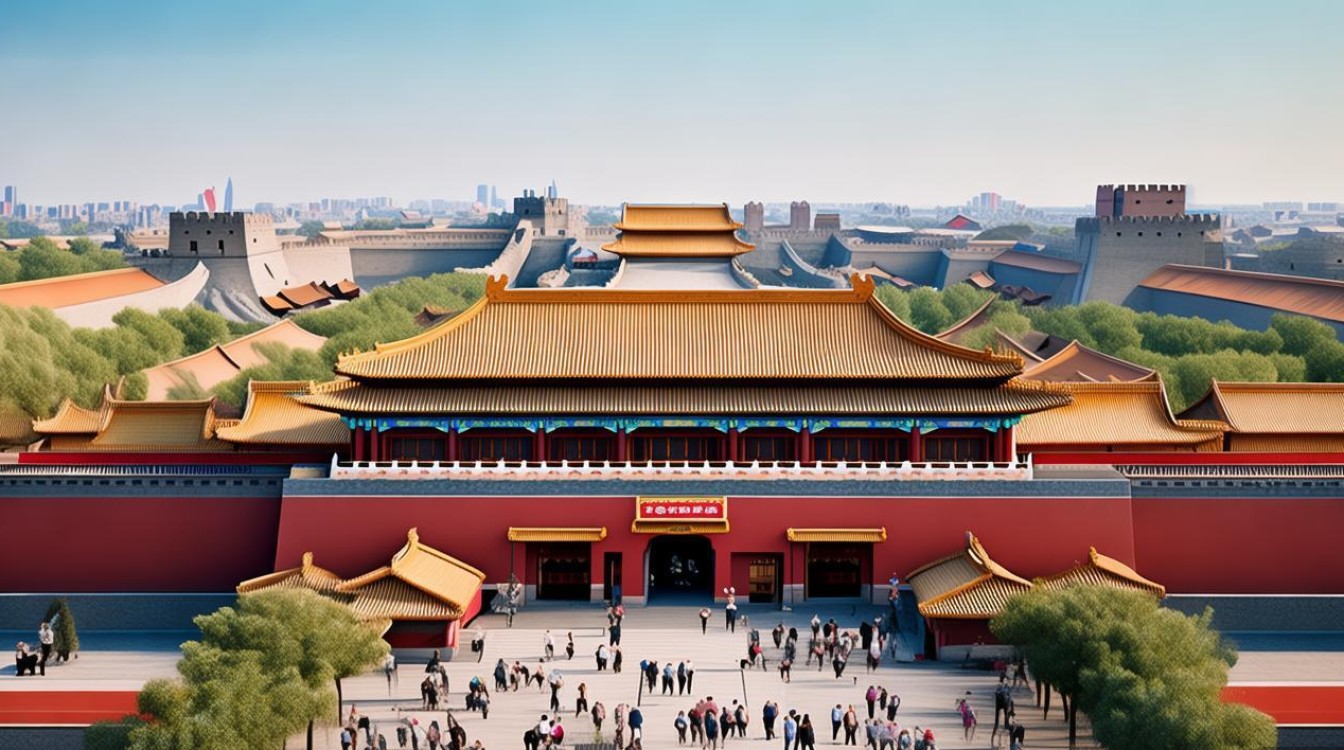
The Forbidden City (The Palace Museum)
The Forbidden City, known in English as the Palace Museum, is one of the most well-preserved imperial palaces in the world and a UNESCO World Heritage Site. Located in the heart of Beijing, it served as the imperial palace for 24 emperors during the Ming and Qing dynasties (1420–1912). Covering an area of 720,000 square meters, it comprises 980 buildings with over 8,700 rooms, showcasing the pinnacle of traditional Chinese architecture.
The name "Forbidden City" reflects its historical role: it was off-limits to the common public, with access restricted to the emperor, his family, and selected officials. In English, "Forbidden" emphasizes the exclusivity and mystery surrounding the palace, while "City" highlights its vast scale, functioning as a self-contained royal complex with administrative, residential, and ceremonial areas. The Palace Museum, its official English name since 1925, underscores its transformation into a public institution dedicated to preserving and exhibiting imperial artifacts.
Key attractions within the Forbidden City include the Hall of Supreme Harmony (Taihe Dian), the largest and most important hall where emperors held grand ceremonies; the Hall of Central Harmony (Zhonghe Dian), used by emperors to prepare before ceremonies; and the Hall of Preserving Harmony (Baohe Dian), where imperial banquets were hosted. The private quarters, such as the Palace of Heavenly Purity (Qianqing Gong) and the Imperial Garden (Yuyuan), offer insights into the emperors’ daily lives and leisure activities.
Travelers visiting the Forbidden City should allocate at least half a day to explore its vast expanse. Audio guides in English are available for rent, providing detailed explanations of the history and significance of each section. Photography is permitted in most areas, but flash is prohibited to protect the ancient structures.
The Great Wall of China
The Great Wall of China, one of the most iconic symbols of China, is a series of fortifications built over centuries to protect Chinese states from invasions. While sections of the wall date back to the 7th century BCE, the most famous stretches were constructed during the Ming Dynasty (1368–1644). In English, "Great Wall" aptly describes its monumental scale and historical importance, as it spans over 21,000 kilometers across northern China.
Several sections of the Great Wall are accessible to tourists near Beijing, each offering a distinct experience. The Badaling section, the first to open to the public, is the most well-preserved and equipped with modern facilities, making it suitable for first-time visitors. The Mutianyu section, known for its picturesque scenery and less crowded atmosphere, features restored watchtowers and a cable car for convenient access. The Jinshanling section, ideal for hiking enthusiasts, offers a more rugged experience with original battlements and stunning mountain views.
The Great Wall’s architectural marvel lies in its integration with the natural landscape. Built with stones, bricks, and rammed earth, the wall adapts to the contours of mountains, showcasing the ingenuity of ancient Chinese engineering. Along the wall, watchtowers (such as the iconic "Enemy Tower" at Mutianyu) served as military outposts for observation and defense, while beacon towers were used to transmit signals using smoke or fire.
When visiting the Great Wall, travelers are advised to wear comfortable shoes and weather-appropriate clothing, as the terrain can be steep and exposed to the elements. Hiring a local guide or joining a tour group can enhance the experience by providing historical context and stories associated with the wall. For a unique perspective, consider visiting during sunrise or sunset when the wall is bathed in golden light, creating a breathtaking backdrop.
The Summer Palace (Yiheyuan)
The Summer Palace, or Yiheyuan in Chinese, is a vast ensemble of lakes, gardens, and palaces that served as a royal retreat for emperors during the Qing Dynasty. Located northwest of Beijing, it is renowned for its harmonious blend of natural scenery and artificial landscaping, earning it a reputation as a masterpiece of Chinese garden design. The English name "Summer Palace" reflects its primary function as a seasonal residence, offering a cooler escape from the heat of the city compared to the Forbidden City.
The Summer Palace’s centerpiece is Kunming Lake, a man-made lake covering three-quarters of the estate, where visitors can take boat rides or stroll along the Long Corridor, a 728-meter covered walkway adorned with over 14,000 traditional paintings. The Marble Boat, a striking European-style marble structure on the lake’s edge, symbolizes the emperors’ wealth and cosmopolitan tastes. On the northern shore, Longevity Hill features the Tower of Buddhist Incense (Foxiangge), a three-tiered pagoda offering panoramic views of the palace and lake.
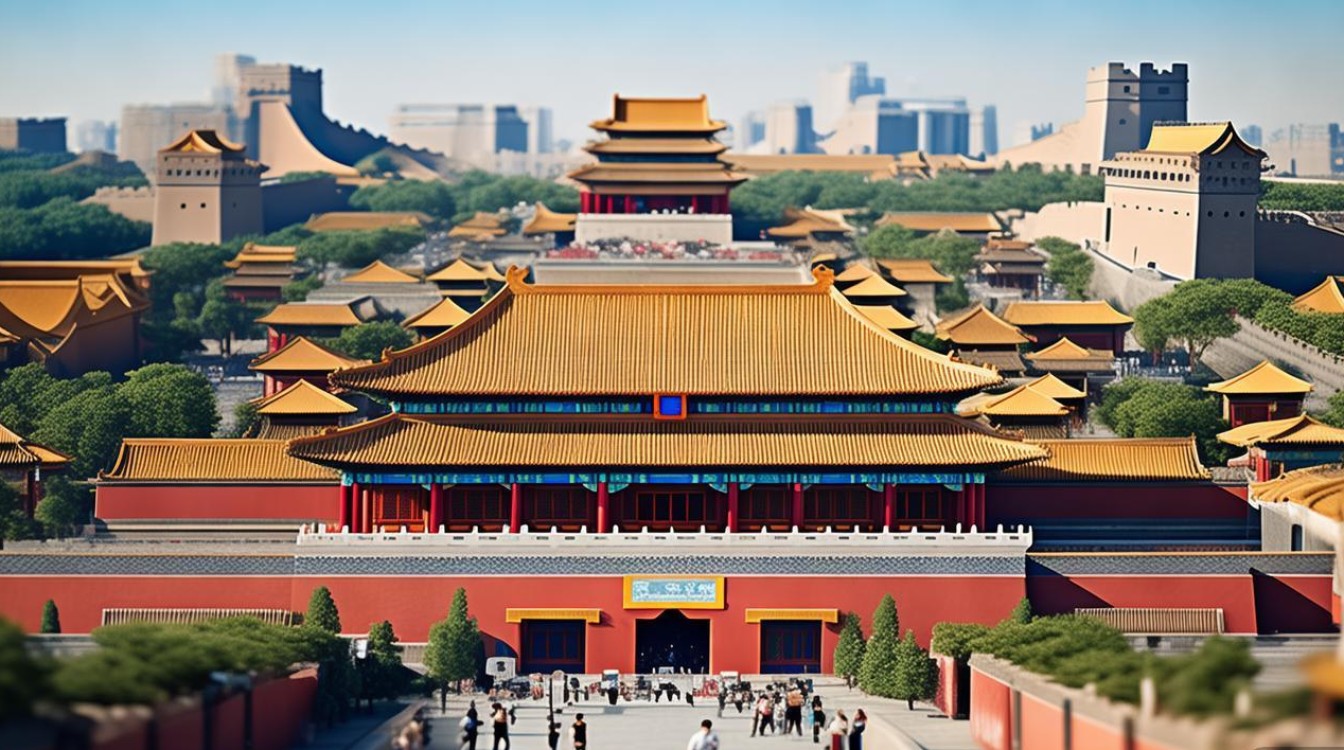
The name "Yiheyuan" translates to "Garden of Nurtured Harmony," emphasizing the philosophy of balance between nature and human creation. In English, "Summer Palace" conveys its role as a leisurely retreat, contrasting with the formal, administrative functions of the Forbidden City. Visitors to the Summer Palace can explore its various gardens, temples, and halls, each designed to reflect different artistic and cultural influences, from Chinese landscaping to Western architectural elements.
To fully appreciate the Summer Palace, allocate at least half a day for a leisurely visit. Early morning or late afternoon are ideal times to avoid crowds and enjoy the tranquility of the gardens. Don’t miss the Suzhou Street, a reconstructed market street that replicates the commercial hubs of southern China, offering a glimpse into 18th-century urban life.
Temple of Heaven (Tiantan)
The Temple of Heaven, or Tiantan in Chinese, is a complex of religious buildings where emperors of the Ming and Qing dynasties performed annual ceremonies to pray for good harvests and divine blessings. Located in southern Beijing, its design is deeply rooted in Chinese cosmology, symbolizing the harmony between heaven and earth. The English name "Temple of Heaven" accurately captures its religious purpose, as it was a sacred site for imperial rituals dedicated to the supreme deity.
The Temple of Heaven’s most iconic structure is the Hall of Prayer for Good Harvests (Qiniandian), a magnificent wooden triple-gabled hall with blue tiles (representing heaven) and golden pillars (symbolizing the emperor). Without the use of a single nail, the hall’s intricate wooden dome is a testament to traditional Chinese architectural craftsmanship. The Circular Mound Altar (Yuanqiutan), a marble platform in the open air, was used for the winter solstice ceremony, where the emperor would pray to heaven for a bountiful year.
The name "Tiantan" literally means "Altar of Heaven," highlighting its function as a sacred space for communication with the divine. In English, "Temple of Heaven" emphasizes its role as a religious complex, distinguishing it from other imperial sites. The surrounding park is a popular spot for locals, who practice tai chi, fly kites, or sing traditional songs, offering visitors a chance to experience everyday Chinese culture.
When visiting the Temple of Heaven, arrive early to witness morning activities and avoid midday crowds. Audio guides in English are available to explain the symbolism and rituals associated with the site. Photography is permitted, but be respectful of worshippers and cultural practices.
The Ming Tombs (Shisanling)
The Ming Tombs, or Shisanling in Chinese, are the burial sites of 13 out of 16 Ming Dynasty emperors, located in a valley 50 kilometers northwest of Beijing. The site is chosen for its auspicious feng shui, surrounded by mountains that form a natural protective barrier. The English name "Ming Tombs" directly refers to the dynasty to which the emperors belonged, while "Shisanling" translates to "Thirteen Mausoleums," indicating the number of tombs in the complex.
The most accessible tomb is the Dingling, which is the tomb of the Wanli Emperor, the longest-reigning Ming emperor. Unlike the other tombs, Dingling has been excavated and open to the public, featuring an underground palace with the emperor’s throne and artifacts. The Sacred Way, a 7-kilometer path leading to the tombs, is lined with stone statues of officials, animals, and mythical creatures, each symbolizing different virtues and powers.
The Ming Tombs reflect the Chinese belief in the afterlife and the importance of ancestral worship. The English name "Ming Tombs" provides a clear historical context, while the Chinese name highlights the numerical significance of the site. Visitors interested in history and archaeology will find the Ming Tombs particularly fascinating, as they offer insights into Ming Dynasty burial customs and imperial power.
To visit the Ming Tombs, consider joining a tour or hiring a private car, as the site is not easily accessible by public transport. Allow a full day to explore the Sacred Way and the main tombs, and wear comfortable shoes for walking on uneven terrain.
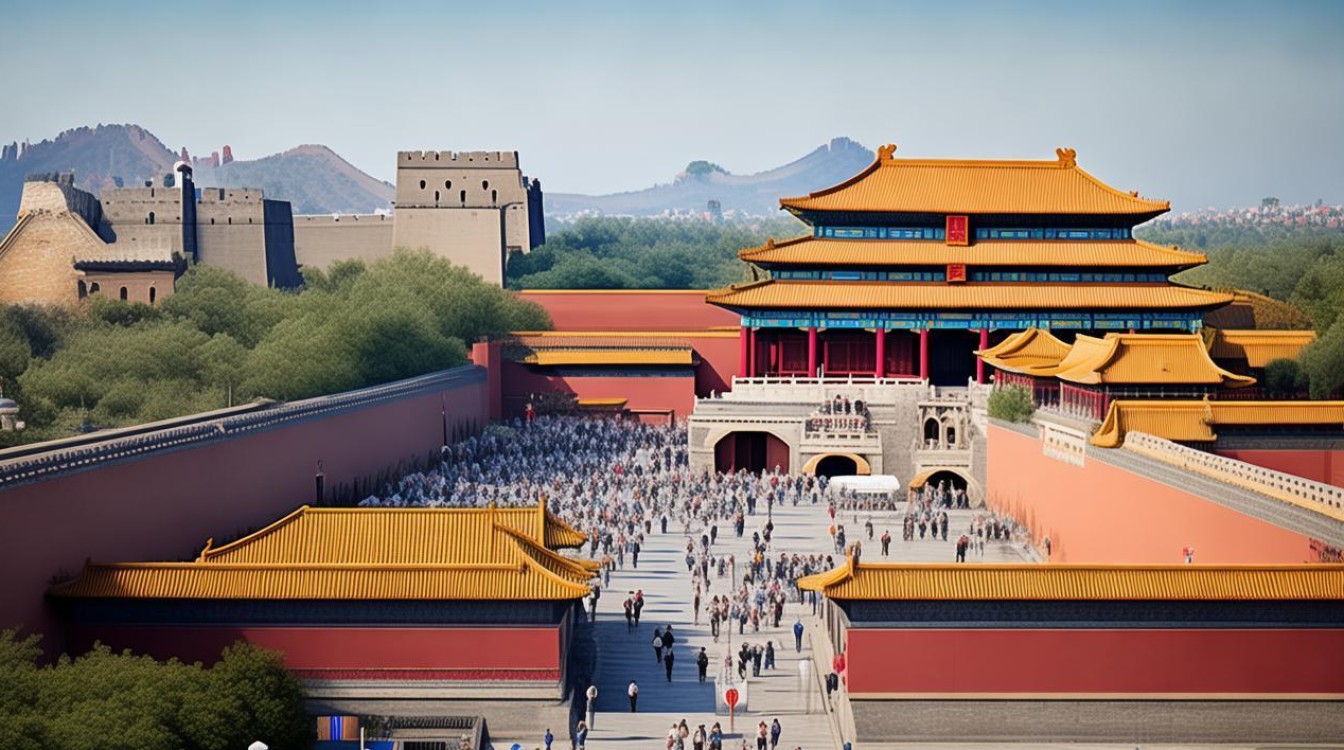
The Hutongs and Siheyuan
The hutongs are narrow alleyways that form the traditional residential layout of Beijing, dating back over 800 years to the Yuan Dynasty. Surrounding these hutongs are siheyuan, courtyard houses that epitomize traditional Chinese architecture and family life. In English, "hutong" is a transliteration of the Chinese word, while "siheyuan" translates to "four-sided courtyard," describing the layout of these homes.
Exploring the hutongs offers a glimpse into old Beijing, where time seems to stand still. The Nanluoguxiang area is a popular hutong destination, known for its trendy boutiques, cafes, and street food, while the Qianmen hutongs retain a more authentic, historic atmosphere. A rickshaw ride through the hutongs is a popular activity, allowing visitors to navigate the narrow lanes and learn about the daily lives of local residents.
The siheyuan is designed to reflect Confucian values, with the main building facing south and occupied by the head of the family, while the east and west wings house children and servants. The courtyard itself is a private space for family gatherings, gardening, and leisure activities. In English, "siheyuan" helps travelers understand the architectural and cultural significance of these homes, which are now being preserved as part of Beijing’s cultural heritage.
When visiting the hutongs, be respectful of residents’ privacy and avoid entering private courtyards without permission. Don’t miss trying local snacks like jianbing (Chinese crepes) or tanghulu (candied fruit) sold by street vendors. For a deeper cultural experience, consider staying in a restored siheyuan guesthouse, where you can immerse yourself in traditional Beijing life.
Summary of Key Attractions
To help travelers plan their itinerary, the table below summarizes the essential information for Beijing’s top tourist attractions in English:
| Attraction Name (English) | Chinese Name | Key Features | Best Time to Visit |
|---|---|---|---|
| Forbidden City / Palace Museum | Gugong / Gu Gong | Imperial palace with 980 buildings; Hall of Supreme Harmony | Morning (to avoid crowds) |
| Great Wall of China | Chang Cheng | Fortification spanning 21,000 km; Badaling, Mutianyu, Jinshanling sections | Spring or autumn (mild weather) |
| Summer Palace / Yiheyuan | Yiheyuan | Kunming Lake, Long Corridor, Marble Boat | Late afternoon (for sunset views) |
| Temple of Heaven / Tiantan | Tiantan | Hall of Prayer for Good Harvests, Circular Mound Altar | Early morning (to see locals practicing tai chi) |
| Ming Tombs / Shisanling | Shisanling | 13 imperial tombs; Sacred Way with stone statues | All-day trip (combine with Great Wall) |
| Hutongs and Siheyuan | Hutongs / Siheyuan | Narrow alleyways, traditional courtyard houses | Anytime; evening for vibrant atmosphere |
FAQs About Beijing’s Tourist Attractions
What is the best way to visit multiple attractions in Beijing?
The best way to visit multiple attractions in Beijing is to plan a route based on geographic proximity to minimize travel time. For example, combine the Forbidden City, Tiananmen Square, and the Temple of Heaven in one day, as they are all located in central Beijing. For attractions farther out, such as the Great Wall and Ming Tombs, consider joining a full-day tour or hiring a private driver. Using the Beijing Subway is also efficient and affordable for getting around the city, with English signage and announcements available.
Are English-speaking guides available at major attractions?
Yes, English-speaking guides are available at most major attractions in Beijing, including the Forbidden City, Great Wall, and Summer Palace. You can hire a guide on-site or book one in advance through a travel agency. Additionally, audio guides in English are available for rent at many sites, providing self-paced commentary. For a more personalized experience, consider hiring a private guide who can tailor the tour to your interests and provide deeper insights into the history and culture of each attraction.
In conclusion, Beijing’s tourist attractions offer a fascinating journey through China’s imperial past and cultural present. Knowing their English names and understanding their significance will enhance your travel experience, allowing you to appreciate the historical and artistic value of each site. Whether you’re marveling at the grandeur of the Forbidden City, hiking along the Great Wall, or wandering through the hutongs, Beijing’s landmarks are sure to leave a lasting impression. With proper planning and the help of this guide, you can make the most of your visit to this incredible city.
版权声明:本文由 数字洲食旅 发布,如需转载请注明出处。






 冀ICP备2021017634号-11
 冀公网安备13062802000116号