

用英语介绍上海景点,有哪些实用句式和地道表达?
上海,这座融合了历史底蕴与现代活力的国际化大都市,以其独特的魅力吸引着全球游客,无论是外滩的万国建筑博览群、豫园的江南园林雅致,还是陆家嘴的摩天大楼剪影,亦或是田子坊的文艺气息,上海总能为不同偏好的旅行者提供难忘的体验,以下将用英语详细介绍上海最具代表性的景点,展现这座城市的中西合璧与古今交融。
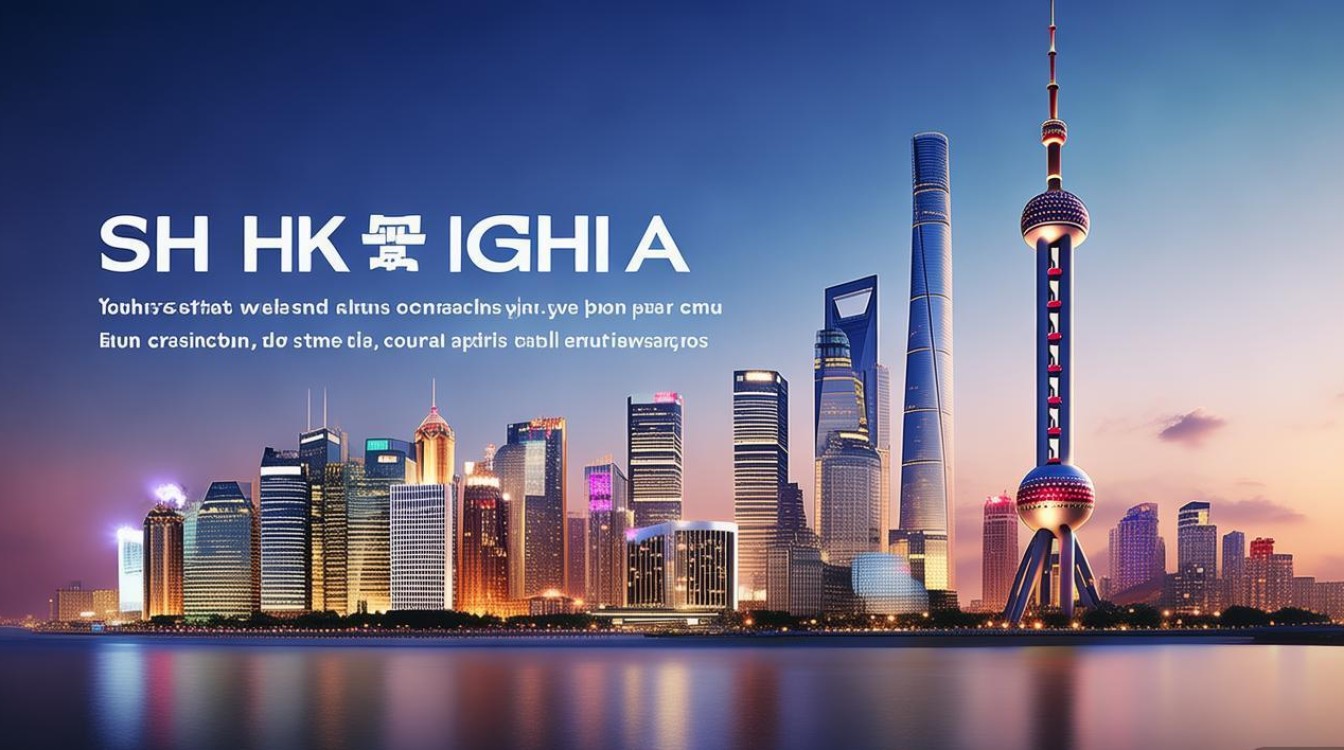
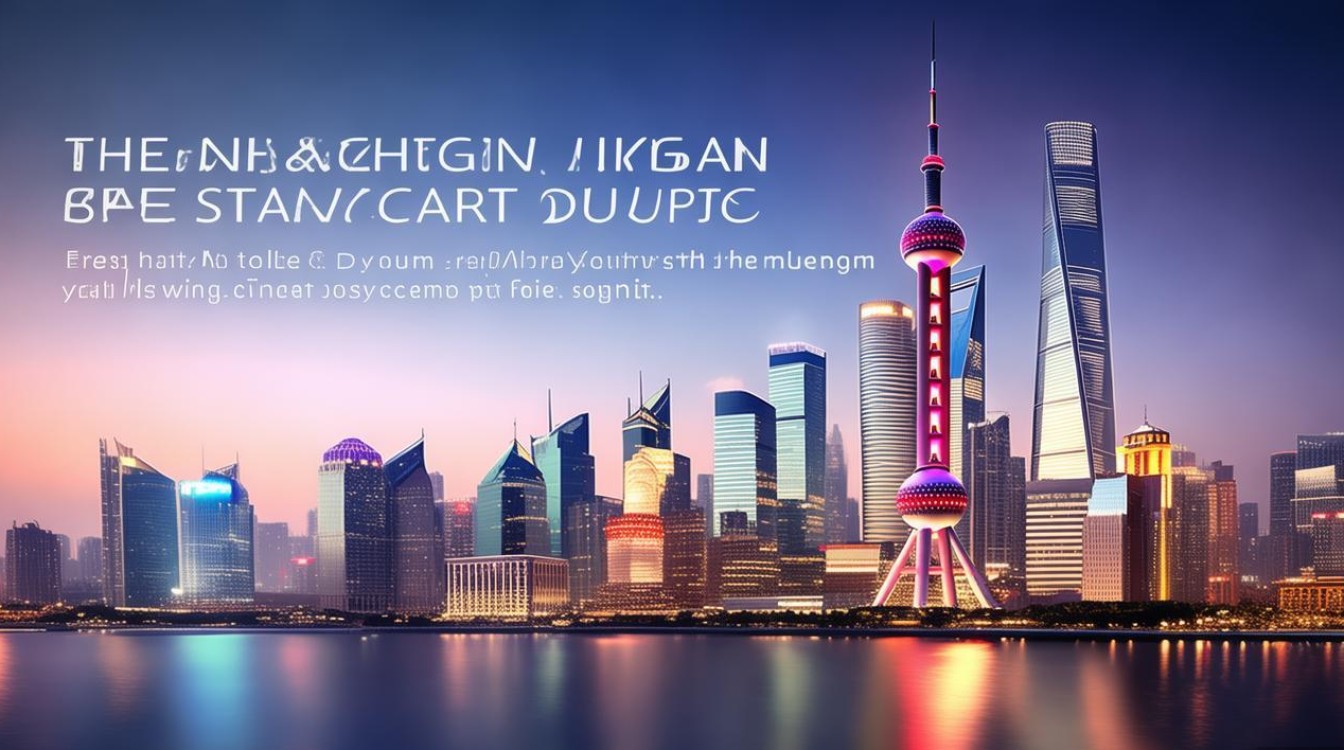
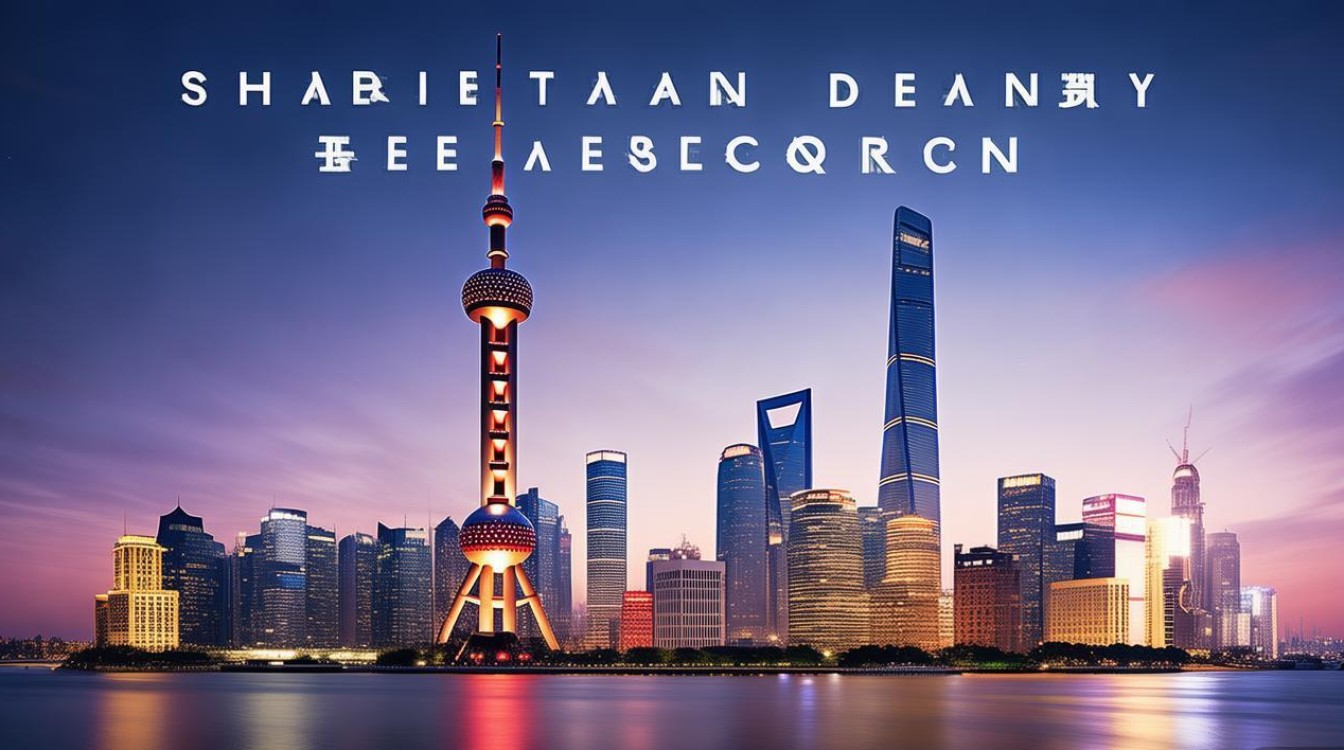
The Bund (外滩) stands as Shanghai's most iconic landmark, a vibrant promenade along the Huangpu River that encapsulates the city's blend of colonial history and modern dynamism. Stretching 1.5 kilometers from the Waibaidu Bridge to Jin Mao Tower, the Bund is flanked by 52 buildings of varying architectural styles, including Gothic, Baroque, and Art Deco. These structures, once home to foreign banks, trading houses, and consulates in the early 20th century, now house luxury hotels, museums, and high-end boutiques. Across the river, the Pudong skyline dazzles with futuristic skyscrapers such as the Oriental Pearl TV Tower, the Shanghai World Financial Center, and the Shanghai Tower, symbolizing China's economic rise. A stroll along the Bund at sunset is a must-do: as the sky ignites in hues of orange and pink, the historic buildings on one side and the glittering skyscrapers on the other create a postcard-perfect vista, offering a tangible sense of Shanghai's journey from a colonial port to a global financial hub.
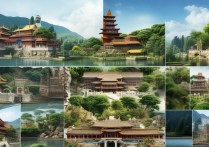
Yu Garden (豫园), a classical Chinese garden dating back to the Ming Dynasty, provides a serene escape from the city's hustle and bustle. Built in 1559 by Pan Yunduan, a high-ranking official, the garden was designed as a private retreat for his parents, embodying the essence of Ming landscape architecture. Covering an area of two hectares, Yu Garden is a masterpiece of traditional design, featuring pavilions, rockeries, ponds, and intricately carved corridors. Key highlights include the Exquisite Rockery, a man-made mountain crafted from yellow stones that resembles a dragon winding through the clouds, and the Inner Garden, a tranquil space adorned with ancient trees and blooming lotuses in summer. The adjacent Yu Bazaar (豫园商城) bustles with activity, where visitors can sample local snacks such as xiaolongbao (soup dumplings) and nanxiang steamed buns, or shop for traditional crafts like silk fans and jade jewelry. Together, the garden and bazaar offer a glimpse into Shanghai's rich cultural heritage and the daily life of its residents.
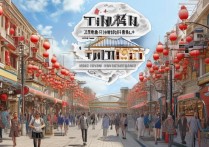
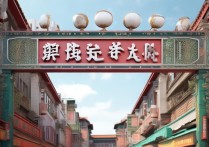
Nanjing Road (南京路), often dubbed "China's No.1 Shopping Street," is a paradise for shopaholics and culture enthusiasts alike. Stretching over 5.5 kilometers from the Bund to Jing'an Temple, this bustling thoroughfare is divided into two sections: Nanjing Road East, known for its traditional stores and century-old shops like Shanghai No.1 Department Store, and Nanjing Road West, which caters to younger crowds with international brands, trendy cafes, and entertainment complexes. The street comes alive day and night: by day, it throngs with tourists browsing souvenirs and locals going about their errands; by night, neon lights illuminate the facades, creating a lively atmosphere. Beyond shopping, Nanjing Road is also a cultural corridor, featuring historic theaters, art galleries, and the Shanghai Museum, which houses over 120,000 artifacts spanning ancient Chinese art. Whether you're hunting for bargains, savoring street food, or soaking in the urban energy, Nanjing Road offers a quintessential Shanghai experience.
Xintiandi (新天地), a car-free pedestrian zone in the heart of the city, is a unique fusion of Shikumen architecture and modern lifestyle. Shikumen, a type of stone-gated townhouse unique to Shanghai, was developed in the 1920s as a blend of Western and Chinese architectural elements. Xintiandi has revitalized these historic buildings, converting them into stylish boutiques, art galleries, restaurants, and bars. Cobblestone streets, red-brick walls, and vintage lampposts evoke old Shanghai, while sleek cafes and jazz clubs add a contemporary flair. The area is also home to the Communist Party of China's National Congress Site, a historic museum that documents the party's early history. Xintiandi is particularly popular in the evening, when locals and expats gather at outdoor terraces to enjoy Shanghai's cuisine and nightlife. For those seeking a taste of Shanghai's past and present, Xintiandi is an unmissable destination.
Shanghai Museum (上海博物馆), located in People's Square, is one of China's premier museums, renowned for its extensive collection of ancient Chinese art. Founded in 1952, the museum moved to its current building in 1996, a striking structure inspired by ancient Chinese bronze vessels. With a collection of over 1 million artifacts, the museum is divided into 11 galleries, showcasing ceramics, calligraphy, paintings, jade, bronze, and coins. Among its treasures are a 5,000-year-old jade cong from the Liangzhu culture, a set of ritual bronzes from the Shang Dynasty, and masterpieces of Tang Dynasty poetry and painting. The museum's design itself is a work of art: the circular dome and square base symbolize the ancient Chinese belief that "heaven is round and earth is square." A visit to the Shanghai Museum offers a deep dive into China's 5,000-year civilization, making it a cultural highlight for any traveler.
Shanghai Disneyland Resort (上海迪士尼度假区), the first Disney park in mainland China, brings the magic of Disney to life with a unique blend of classic stories and Chinese culture. Opened in 2016, the resort features two theme parks: Shanghai Disneyland Park, with its iconic Enchanted Storybook Castle—the largest Disney castle in the world—and Disney Town, a shopping and dining district. The park's attractions include TRON Lightcycle Power Run, a thrilling roller coaster, and "Pirates of the Caribbean: Battle for the Sunken Treasure," an innovative ride that combines Disney storytelling with cutting-edge technology. Special events like the Chinese New Year celebration and Halloween festivities add a local flavor to the Disney experience. Whether you're traveling with family or friends, Shanghai Disneyland promises a day of wonder and excitement, capturing the imagination of visitors of all ages.
Beyond these highlights, Shanghai offers countless other attractions: the tranquil Jing'an Temple, a 1,700-year-old Buddhist monastery in the middle of a bustling commercial district; the Shanghai Ocean Aquarium, one of the largest in Asia, home to over 450 species of marine life; and the Tianzifang (田子坊) area, a maze of narrow lanes filled with art studios, craft shops, and cozy cafes, housed in traditional Shikumen houses. Each corner of Shanghai tells a story, from its ancient roots to its futuristic aspirations.
In conclusion, Shanghai is a city of contrasts and contradictions, where tradition meets innovation, and East merges with West. Whether you're marveling at the colonial grandeur of the Bund, wandering through the timeless beauty of Yu Garden, or exploring the futuristic skyline of Pudong, Shanghai offers a journey that is both enriching and exhilarating. As a global city that never sleeps, it invites visitors to discover its many layers, creating memories that last a lifetime.
FAQs
-
What is the best time to visit Shanghai?
The best time to visit Shanghai is during spring (March to May) and autumn (September to November), when the weather is mild and pleasant. Spring brings blooming flowers and comfortable temperatures, while autumn offers crisp air and clear skies, ideal for outdoor sightseeing. Summer (June to August) can be hot and humid, with occasional typhoons, while winter (December to February) is cold but less crowded, making it a good time for budget travelers. -
How can I get around Shanghai efficiently?
Shanghai has an extensive and efficient public transportation system, including the metro, buses, and taxis. The metro is the fastest and most convenient way to travel, with lines covering major attractions and operating from 5:30 AM to 11:00 PM. Taxis and ride-hailing apps like Didi are readily available, though traffic can be heavy during peak hours. For a more scenic experience, consider taking a Huangpu River cruise, which connects attractions along the Bund and Pudong. Additionally, renting a bicycle is a great way to explore smaller areas like Xintiandi or Tianzifang.
版权声明:本文由 数字洲食旅 发布,如需转载请注明出处。



 冀ICP备2021017634号-11
 冀公网安备13062802000116号