

如何用英语写好中国旅游景点作文?
China, a country with a history spanning thousands of years and a diverse cultural landscape, is home to some of the world’s most breathtaking and historically significant tourist attractions. From the majestic Great Wall that winds across mountains to the serene waters of West Lake, each destination tells a unique story of China’s past, present, and natural beauty. For travelers seeking to explore the richness of Chinese culture, history, and scenery, these top tourist spots offer unforgettable experiences.
One of the most iconic symbols of China is the Great Wall, a UNESCO World Heritage Site and one of the New Seven Wonders of the World. Stretching over 21,000 kilometers, the Great Wall was built over several dynasties, primarily to protect against invasions. The most well-preserved and popular sections for tourists include Badaling, Mutianyu, and Jiankou. Badaling, located near Beijing, is easily accessible and features restored watchtowers and stunning panoramic views of the wall snaking across the mountains. Mutianyu, slightly farther but less crowded, offers a more tranquil experience with its lush greenery and cable car rides for a bird’s-eye view. Jiankou, known for its rugged and wild beauty, attracts adventurous hikers who want to explore the wall in its more原始 state. Walking along the Great Wall, one cannot help but marvel at the ancient Chinese engineering and the sheer determination behind its construction.
Another must-visit destination is the Forbidden City, also known as the Palace Museum, in the heart of Beijing. As the imperial palace for 24 emperors during the Ming and Qing dynasties, the Forbidden City is a masterpiece of Chinese architecture and a treasure trove of cultural relics. Covering an area of 720,000 square meters, it consists of 980 buildings with nearly 9,000 rooms. The complex is divided into two main parts: the Outer Court, where emperors held ceremonies and exercised their power, and the Inner Court, where they lived with their families. Visitors can admire the intricate wooden structures, colorful roof tiles, and vast courtyards that reflect the hierarchical order and grandeur of imperial China. The Palace Museum also houses over 1.8 million artifacts, including paintings, ceramics, and jade, providing a deep insight into China’s artistic and historical heritage.
For those captivated by natural beauty, Guilin and its surrounding landscapes are a paradise. The karst mountains, crystal-clear rivers, and lush rice fields of Guilin have inspired poets and artists for centuries. The Li River, in particular, is famous for its picturesque scenery, with limestone peaks rising dramatically from the water. A cruise along the Li River from Guilin to Yangshuo offers a breathtaking journey, passing through villages, bamboo forests, and iconic spots like Elephant Trunk Hill. Yangshuo, a small town at the river’s end, is a hub for outdoor activities such as cycling, rock climbing, and bamboo rafting. The area’s laid-back atmosphere, combined with its stunning natural backdrop, makes it a favorite among both domestic and international travelers.
In eastern China, the city of Hangzhou is renowned for its West Lake, a UNESCO World Heritage Site celebrated for its serene beauty and cultural significance. West Lake is surrounded by temples, pagodas, and gardens, creating a harmonious blend of nature and human craftsmanship. One of the most famous attractions is the causeways that divide the lake, such as Su Causeway and Bai Causeway, lined with willow trees and dotted with pavilions. Visitors can take a boat ride on the lake, visit the historic Lingyin Temple, or explore the tea plantations in the nearby Longjing (Dragon Well) village, where some of China’s finest green tea is produced. West Lake’s poetic charm has been immortalized in countless poems and paintings, making it a symbol of Chinese aesthetic ideals.
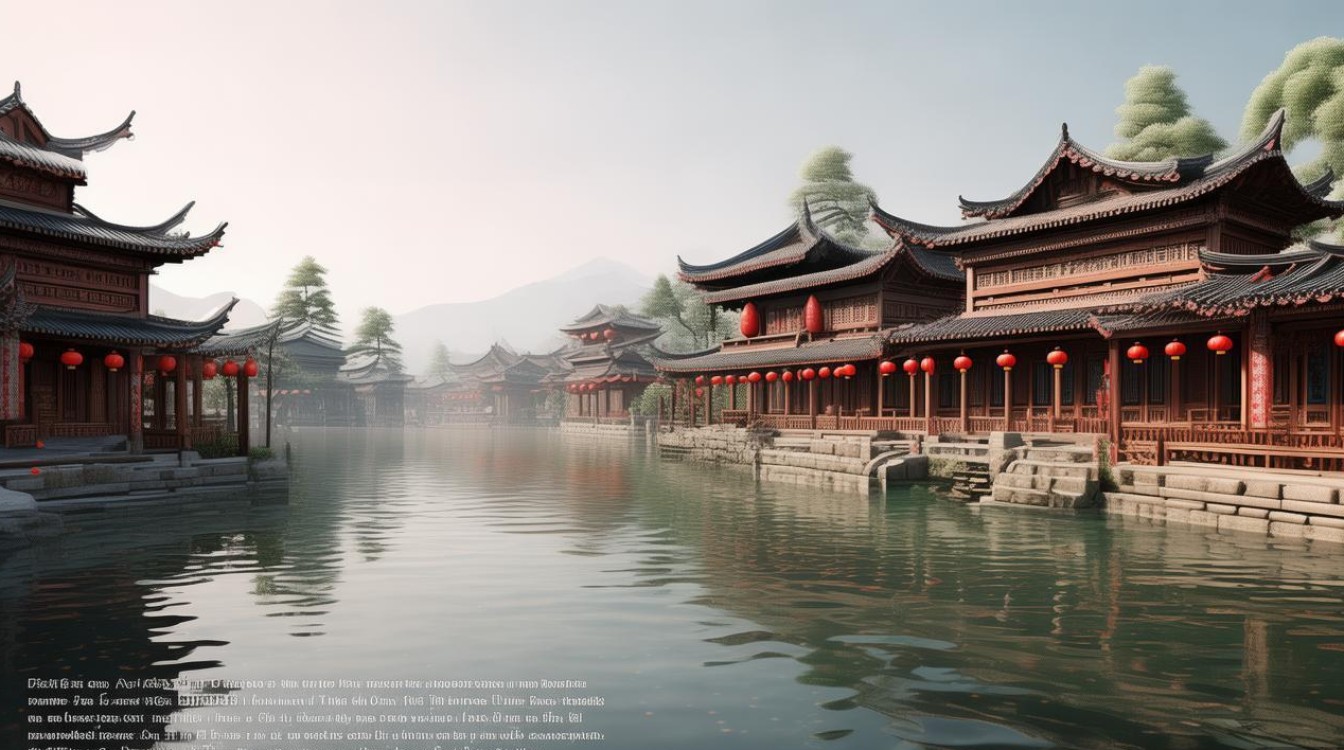
Further south, the ancient town of Lijiang in Yunnan Province offers a glimpse into traditional Chinese ethnic culture. Lijiang Old Town, with its cobblestone streets, wooden houses, and intricate canal systems, is a well-preserved example of a Naxi minority settlement. The town’s unique architecture, influenced by both Han and Naxi cultures, has earned it a place on the UNESCO World Heritage list. Visitors can wander through the narrow lanes, visit the Black Dragon Pool for a view of the snow-capped Jade Dragon Mountain, or enjoy traditional Naxi music, which has been recognized as an intangible cultural heritage by UNESCO. Lijiang’s blend of natural beauty and cultural authenticity makes it a must-visit destination for those seeking an immersive travel experience.
For a modern contrast, the city of Shanghai showcases China’s rapid development and cosmopolitan flair. The Bund, a waterfront promenade along the Huangpu River, features a mix of colonial-era buildings and futuristic skyscrapers, symbolizing Shanghai’s transformation from a trading port to a global financial hub. Across the river, the Pudong district is home to iconic landmarks such as the Oriental Pearl Tower, the Shanghai World Financial Center, and the Shanghai Tower, one of the tallest buildings in the world. Visitors can take a cruise on the Huangpu River to admire the city’s skyline, explore the vibrant markets of Tianzifang, or indulge in Shanghai’s renowned culinary scene, which combines local flavors with international influences.
In conclusion, China’s tourist attractions offer a diverse range of experiences, from ancient historical sites to natural wonders and modern metropolises. Whether exploring the Great Wall’s grandeur, wandering through the Forbidden City’s imperial halls, cruising along Guilin’s Li River, or admiring West Lake’s tranquility, travelers are sure to be captivated by China’s rich cultural heritage and stunning landscapes. Each destination provides a unique window into China’s past and present, making it a fascinating country to explore.
FAQs
-
What are the best times to visit China’s top tourist attractions?
The best time to visit China generally depends on the destination and personal preferences. For cities like Beijing and Shanghai, spring (April to May) and autumn (September to October) offer mild temperatures and pleasant weather. Summer (June to August) can be hot and crowded, while winter (December to February) is cold but less busy, with the added bonus of seeing snow-covered attractions like the Great Wall. For natural attractions such as Guilin and West Lake, spring and autumn are ideal for outdoor activities. Southern regions like Yunnan are pleasant year-round, but avoid the rainy season (June to August) if possible. -
How can I make the most of my visit to the Forbidden City?
To fully experience the Forbidden City, it is recommended to allocate at least half a day for your visit. Start early in the morning to avoid crowds and the midday heat. Consider hiring a guide or using an audio guide to learn about the history and significance of each hall and courtyard. Focus on key highlights such as the Hall of Supreme Harmony, the Imperial Garden, and the Palace of Heavenly Purity. Wear comfortable shoes, as there is a lot of walking involved. Additionally, book tickets in advance online to save time and ensure entry, especially during peak tourist seasons.
版权声明:本文由 数字洲食旅 发布,如需转载请注明出处。













 冀ICP备2021017634号-11
 冀公网安备13062802000116号