

上海景点英语作文怎么写?有哪些常用句型和景点介绍模板?
Shanghai, a vibrant metropolis where East meets West, is a city that seamlessly blends modernity with tradition. Known as the "Pearl of the Orient," it offers a rich tapestry of attractions that cater to every traveler's interests. From iconic skylines to historic neighborhoods, cultural landmarks to lush gardens, Shanghai is a destination that never fails to captivate. In this essay, we will explore some of the city's most notable attractions, highlighting their unique charm and significance.
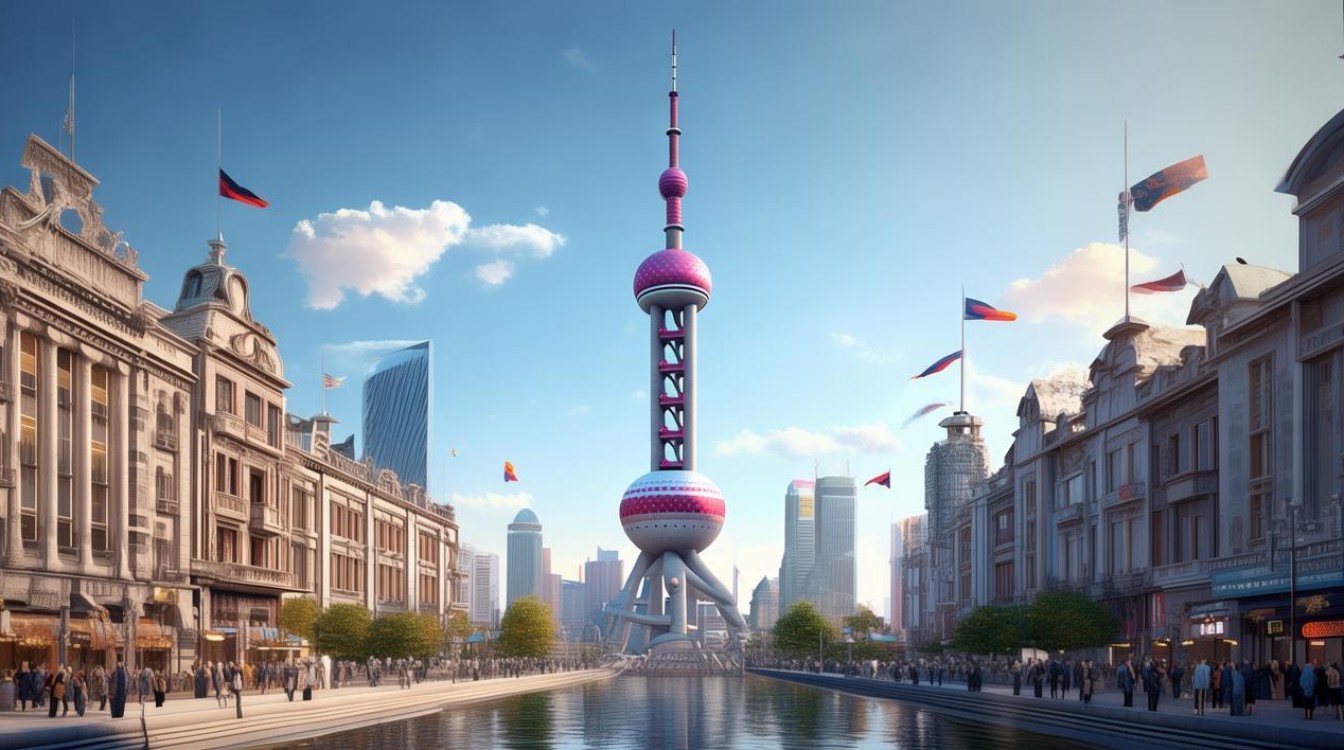
One of Shanghai's most iconic landmarks is the Bund. Located along the Huangpu River, this waterfront promenade is famous for its stunning collection of colonial-era buildings, which showcase a mix of architectural styles including Gothic, Renaissance, and Baroque. These historic structures, once home to foreign banks and trading houses, now stand as a testament to Shanghai's past as an international financial hub. Across the river, the futuristic Pudong district rises majestically, with the Oriental Pearl Tower, Shanghai Tower, and Jin Mao Tower piercing the sky. The contrast between the historic Bund and the modern Pudong skyline is a sight to behold, especially at night when the buildings are illuminated, creating a breathtaking panorama. Visitors can take a leisurely stroll along the Bund, enjoy a river cruise to admire the views from the water, or visit the Shanghai Museum nearby to delve deeper into the city's cultural heritage.
For those interested in traditional Chinese gardens, Yu Garden is a must-visit. Built during the Ming Dynasty, this classical garden is a masterpiece of landscape design, featuring intricate pavilions, koi ponds, rockeries, and zigzagging bridges. The garden's layout reflects the principles of Chinese aesthetics, with every element carefully arranged to create a harmonious and tranquil environment. Adjacent to Yu Garden is the Yuyuan Bazaar, a bustling market where visitors can shop for traditional handicrafts, taste local snacks, and experience the lively atmosphere of old Shanghai. The combination of natural beauty and cultural vibrancy makes Yu Garden a beloved destination for both locals and tourists.
Shanghai's modern side is on full display in areas like Xintiandi and Tianzifang. Xintiandi, a trendy neighborhood, is famous for its shikumen-style architecture, which blends traditional Chinese design with contemporary elements. The area is filled with upscale boutiques, art galleries, restaurants, and bars, making it a popular spot for shopping, dining, and nightlife. Nearby, Tianzifang offers a more bohemian vibe, with its narrow alleyways lined with art studios, craft shops, and cozy cafes. Housed in restored lilong (lane houses), these creative spaces exude a unique charm, attracting artists and visitors alike. Both Xintiandi and Tianzifang showcase Shanghai's ability to preserve its historical character while embracing modernity.
Art and culture enthusiasts will find much to appreciate in Shanghai's museums and galleries. The Shanghai Museum, located in People's Square, is home to an extensive collection of ancient Chinese art, including ceramics, calligraphy, paintings, and bronze ware. The museum's architecture itself is a work of art, with a round top symbolizing heaven and a square base representing earth, reflecting traditional Chinese cosmology. For contemporary art lovers, the Power Station of Art (PSA) is a must-visit. Housed in a former power plant, this museum is China's first state-owned museum of contemporary art, featuring cutting-edge exhibitions from both Chinese and international artists. Another cultural gem is the China Art Museum, which showcases the development of Chinese art from the 19th century to the present day.
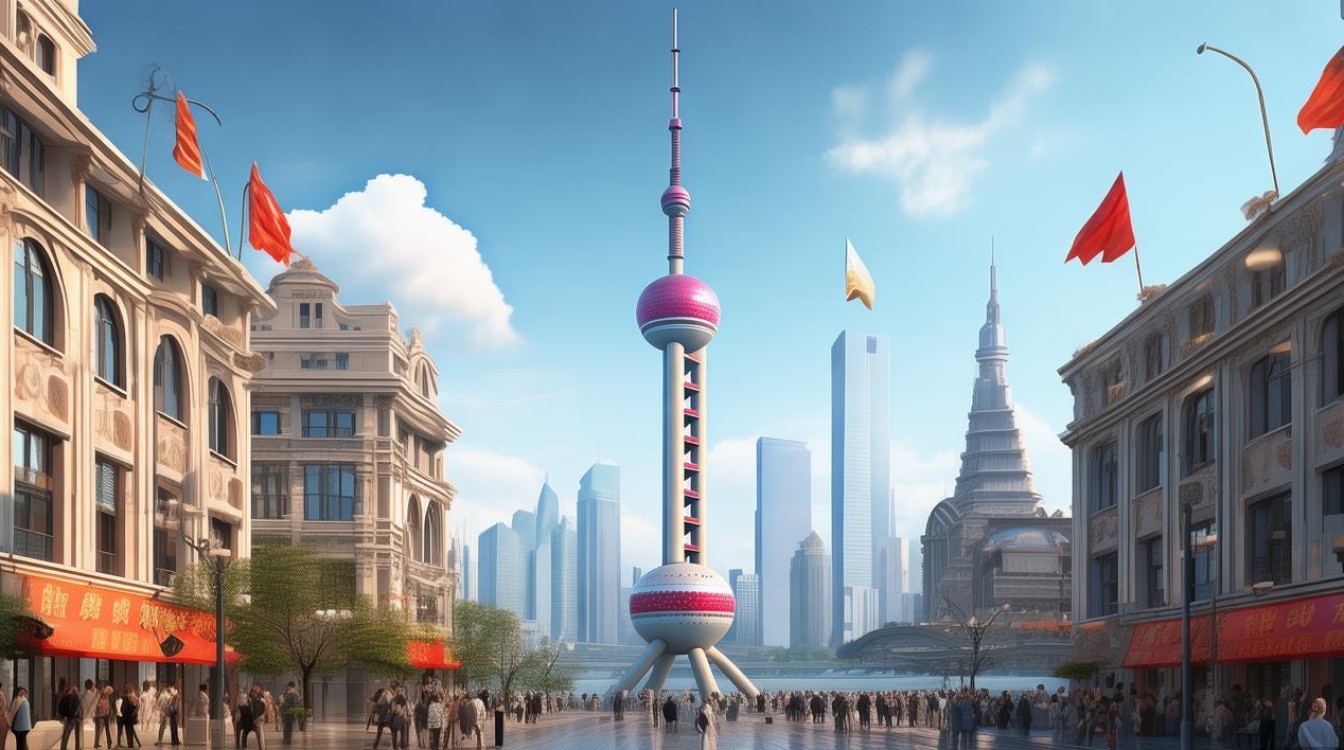
Nature lovers can escape the city's hustle and bustle at Zhongshan Park and Century Park. Zhongshan Park, located in the heart of the city, offers a peaceful retreat with its lush greenery, tranquil lakes, and recreational facilities. It is a popular spot for locals to relax, exercise, and socialize. Century Park, Shanghai's largest park, is even more expansive, featuring themed gardens, a mini-golf course, and a boating lake. The park's design incorporates elements from both Chinese and Western landscaping, creating a serene environment where visitors can connect with nature.
In addition to these attractions, Shanghai is also famous for its culinary scene. From street food stalls in markets like Tianzifang to Michelin-starred restaurants in areas like the Bund, the city offers a diverse range of dining options. Food lovers can sample local specialties such as xiaolongbao (soup dumplings), shengjianbao (pan-fried buns), and niangao (rice cakes), or explore international cuisines from around the world. The city's vibrant food culture is a reflection of its status as a global melting pot.
To better illustrate the diversity of Shanghai's attractions, the following table provides a quick overview of some key sites:
| Attraction | Type | Key Features | Best Time to Visit |
|---|---|---|---|
| The Bund | Landmark | Colonial architecture, river views | Evening for illuminations |
| Yu Garden | Garden | Classical Chinese design, pavilions, ponds | Morning for tranquility |
| Xintiandi | Neighborhood | Shikumen architecture, boutiques, restaurants | Evening for nightlife |
| Shanghai Museum | Museum | Ancient Chinese art, calligraphy, ceramics | Weekdays to avoid crowds |
| Century Park | Park | Themed gardens, recreational facilities | Spring for blooming flowers |
In conclusion, Shanghai is a city of contrasts and contradictions, where ancient traditions coexist with modern innovations. Whether you are exploring the historic streets of the Bund, wandering through the serene beauty of Yu Garden, or immersing yourself in the vibrant energy of Xintiandi, Shanghai offers a wealth of experiences that will leave a lasting impression. Its unique blend of culture, history, and modernity makes it a destination that should not be missed.
FAQs
-
What is the best time of year to visit Shanghai?
The best time to visit Shanghai is during spring (March to May) and autumn (September to November). During these seasons, the weather is mild and pleasant, with comfortable temperatures and less rainfall. Spring brings blooming flowers and lush greenery, while autumn offers clear skies and crisp air, making it ideal for outdoor activities and sightseeing. Summer (June to August) can be hot and humid, with occasional typhoons, while winter (December to February) is cold and damp, though the city's festive lights during the holiday season add a magical touch. -
How can I get around Shanghai efficiently?
Shanghai has an efficient and extensive public transportation system, making it easy to get around. The metro is the most convenient option, with lines covering most major attractions, and it is affordable and fast. Buses are also widely available and complement the metro network. For shorter distances, taxis and ride-hailing services like Didi are readily available. Additionally, cycling is a popular way to explore the city, with bike-sharing services available in many areas. Walking is also enjoyable in neighborhoods like the Bund and Xintiandi, where many attractions are within close proximity.
版权声明:本文由 数字洲食旅 发布,如需转载请注明出处。






 冀ICP备2021017634号-11
 冀公网安备13062802000116号