

如何用英语地道介绍北京景点?地道表达与实用指南
Beijing, the capital of China, is a city where ancient history and modernity blend seamlessly, offering a wealth of attractions that showcase its rich cultural heritage and dynamic urban life. From imperial palaces and ancient temples to bustling markets and contemporary art spaces, Beijing’s diverse landscape caters to all kinds of travelers. Here’s a detailed introduction to some of its most iconic and must-visit sites, each with its own unique story and significance.

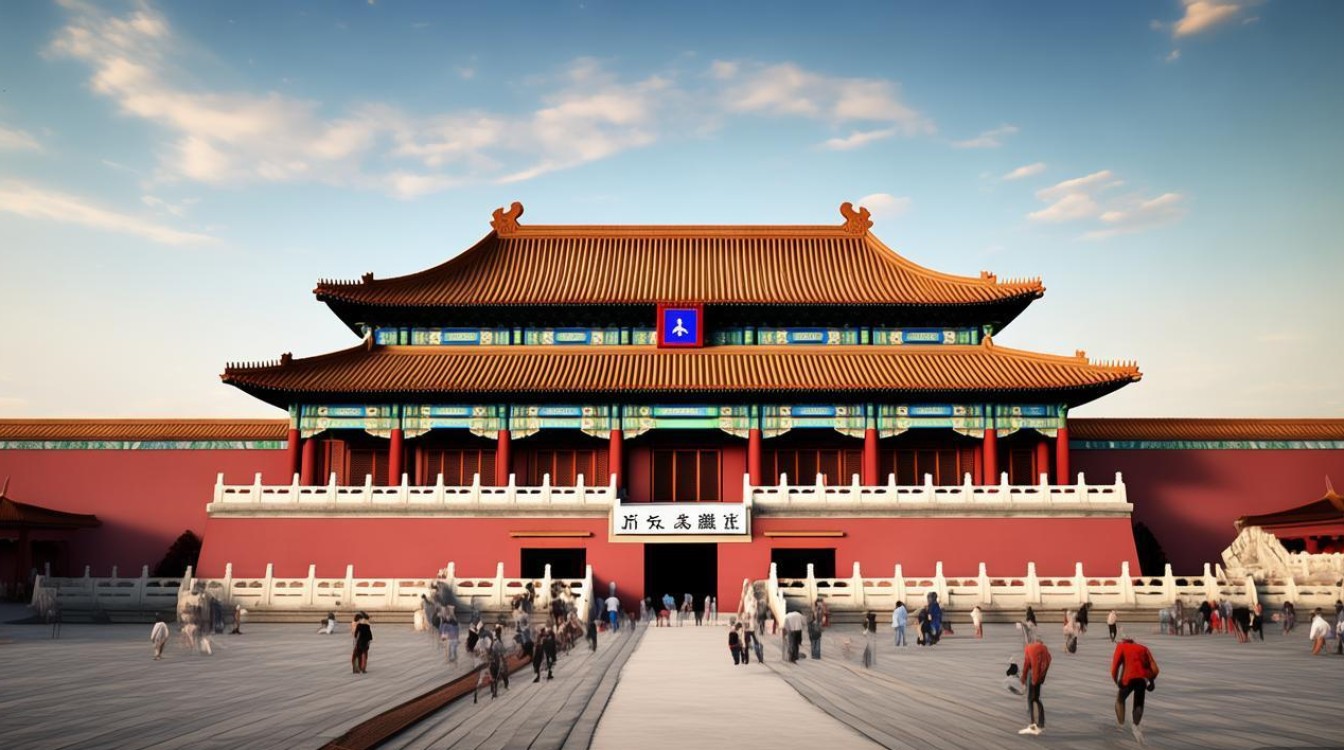
The Forbidden City, also known as the Palace Museum, is perhaps Beijing’s most famous landmark. As the largest and best-preserved wooden structure complex in the world, it served as the imperial palace for 24 emperors during the Ming and Qing dynasties (1420–1912). Spanning 720,000 square meters, the complex consists of 980 buildings with nearly 9,000 rooms, surrounded by a 10-meter-high wall and a 52-meter-wide moat. Visitors can explore the Hall of Supreme Harmony, where emperors held grand ceremonies, and the Palace of Heavenly Purity, once the residence of the emperors. The intricate architecture, with its yellow glazed tiles (symbolizing imperial power) and red pillars (symbolizing good fortune), reflects the grandeur and solemnity of ancient Chinese governance. Today, the Forbidden City is not only a UNESCO World Heritage Site but also a treasure trove of art and history, housing over 1.8 million artifacts, including paintings, ceramics, and imperial robes. A walk through its vast courtyards and halls feels like stepping back in time, offering a glimpse into the lives of China’s imperial elite.
Adjacent to the Forbidden City is Tiananmen Square, the world’s largest public square, covering 44 hectares. This historic site has witnessed pivotal moments in Chinese history, from the May Fourth Movement in 1919 to the founding of the People’s Republic of China in 1949. Flanked by important landmarks such as the Great Hall of the People, the National Museum of China, and Chairman Mao Memorial Hall, the square is a symbol of national pride and unity. At the center stands the Monument to the People’s Heroes, a 38-meter-tall obelisk inscribed with dedications to revolutionary martyrs. Each morning at sunrise, the national flag-raising ceremony draws crowds who gather to witness the solemn ritual, making it a deeply moving experience for visitors. Tiananmen Square is not just a political hub but also a cultural space, where locals fly kites, take morning walks, and admire the surrounding architecture, blending solemnity with everyday life.
North of the Forbidden City lies the Summer Palace, a masterpiece of Chinese landscape garden design and a UNESCO World Heritage Site. Originally an imperial garden in the Qing Dynasty, it covers 2.9 square kilometers, with three-quarters of its area covered by Kunming Lake and Longevity Hill. The palace complex is renowned for its harmonious integration of natural scenery and man-made structures, featuring pavilions, temples, bridges, and corridors. The Long Corridor, stretching 728 meters, is adorned with over 14,000 painted panels depicting scenes from Chinese literature, history, and mythology. Marble Boat, a unique structure made of stone and wood, sits on the edge of Kunming Lake, offering panoramic views of the surrounding landscape. Visitors can take a boat ride on the lake, climb the Tower of Buddhist Incense for a sweeping vista, or stroll through the tranquil gardens, where lotus flowers bloom in summer and maple leaves turn crimson in autumn. The Summer Palace embodies the aesthetic ideals of Chinese garden design, emphasizing balance, harmony, and the beauty of nature.
Another iconic symbol of Beijing is the Great Wall, a series of fortifications stretching over 13,000 miles across northern China. Built over centuries by various dynasties, the wall was primarily constructed to protect against invasions and has become a powerful symbol of Chinese resilience and ingenuity. Among the many sections accessible from Beijing, Badaling is the most popular, featuring well-preserved watchtowers and steep staircases that wind along mountain ridges. Mutianyu, known for its lush greenery and less crowded atmosphere, offers a more relaxed experience, with a cable car or chairlift available for those who prefer not to climb. Jinshanling, famous for its “dragon” shape and densely packed watchtowers, is a favorite among hikers, providing a challenging yet rewarding trek with breathtaking views. The Great Wall is not just a architectural marvel but also a living testament to China’s history, with each section telling a story of the dynasties that built and defended it. Standing atop the wall, gazing at the endless mountains, visitors can’t help but feel a sense of awe at the scale and ambition of this ancient wonder.
Beijing’s rich religious heritage is on full display at the Temple of Heaven, a complex of religious buildings where emperors of the Ming and Qing dynasties performed annual ceremonies to pray for good harvests. Covering 273 hectares, the temple is a masterpiece of Ming architecture, with its most iconic structure being the Hall of Prayer for Good Harvests, a wooden triple-gabled circular building supported by 28 pillars, symbolizing the 28 constellations in the Chinese zodiac. The temple’s design is deeply symbolic: the circular shape represents heaven, while the square base symbolizes earth, reflecting the ancient Chinese belief in the harmony between heaven and earth. During the winter solstice, emperors would perform the sacred ceremony here, wearing elaborate robes and offering sacrifices to the gods. Today, the Temple of Heaven is a popular spot for locals, who gather to practice tai chi, play chess, or sing traditional songs, creating a lively and authentic cultural atmosphere. The surrounding park, with its ancient cypress trees and serene gardens, offers a peaceful escape from the bustling city.
For a glimpse into Beijing’s traditional hutong culture, a visit to the Nanluoguxiang area is a must. Hutongs are narrow alleyways that form the heart of old Beijing, lined with traditional courtyard residences (siheyuan). Nanluoguxiang, one of the most well-preserved hutongs, has been transformed into a vibrant pedestrian street, where modern boutiques, quirky cafes, and street food stalls coexist with historic architecture. Visitors can take a rickshaw ride through the hutongs, stopping to visit local families and learn about their way of life, or explore the hidden courtyards that once housed nobles and merchants. The area is also famous for its food, with vendors selling snacks like jianbing (Chinese crepes), baozi (steamed buns), and tanghulu (candied hawthorns). Nanluoguxiang is a microcosm of Beijing’s past and present, offering a lively and immersive experience of the city’s traditional charm.
Beijing’s contemporary art scene is thriving, and the 798 Art District is a prime example of this creative energy. Housed in former military factories built in the 1950s, the district features over 200 galleries, art centers, and design studios, spread across a 60-hectare area. The industrial architecture, with its high ceilings, exposed brick walls, and vast windows, provides a unique backdrop for contemporary art exhibitions, installations, and performances. Visitors can explore works by both established and emerging Chinese artists, as well as international exhibitions, making 798 a hub for cultural exchange. The district also has a bohemian vibe, with cafes, bookstores, and souvenir shops adding to its eclectic charm. 798 Art District is a testament to Beijing’s ability to reinvent itself, blending industrial heritage with cutting-edge creativity.
No visit to Beijing is complete without experiencing its culinary delights, and Wangfujing Street is the perfect place to sample a wide variety of local and international cuisine. This bustling commercial street is lined with restaurants, food stalls, and department stores, offering everything from traditional Peking duck and hot pot to fast food and snacks. The night market is a must-visit, where adventurous foodies can try exotic treats like scorpions on a stick, grilled squid, and jianbing. For a more refined dining experience, Quanjude, a historic restaurant founded in 1864, serves authentic Peking duck, known for its crispy skin and tender meat. Wangfujing Street is not just a food lover’s paradise but also a shopping destination, with luxury brands and local crafts stores catering to all tastes.
Beijing’s attractions are not limited to its urban landscape; the city is also surrounded by natural beauty, and the Fragrant Hills Park is a popular escape for nature lovers. Located in the western suburbs, the park covers 160 hectares and is known for its stunning autumn foliage, when the maple trees turn fiery red, creating a breathtaking panorama. Visitors can hike to the park’s highest peak, Xianglu Peak, for a panoramic view of the surrounding mountains, or take a cable car for a more leisurely experience. The park also features several historic sites, including the Azure Clouds Temple, a Buddhist temple with a grand gate and ancient pagodas. Fragrant Hills Park is a favorite among locals, who flock here in spring to admire the cherry blossoms and in autumn to enjoy the colorful leaves, making it a year-round destination for outdoor enthusiasts.
In addition to its well-known attractions, Beijing is home to many hidden gems that offer a deeper insight into the city’s culture and history. The Lama Temple, also known as the Yonghe Temple, is one of Beijing’s most active Buddhist monasteries and a fine example of Tibetan Buddhist architecture. The temple features five main halls, each housing a large Buddha statue, including the 18-meter-tall Maitreya Buddha carved from a single piece of sandalwood. The Confucius Temple, located near the Lama Temple, is a peaceful complex dedicated to the great philosopher, with ancient steles inscribed with the names of successful imperial scholars. The Beijing Planning Exhibition Hall offers a fascinating look at the city’s past, present, and future, with detailed models and interactive exhibits showcasing Beijing’s urban development. These lesser-known sites provide a more intimate and authentic experience of Beijing’s rich cultural tapestry.

Beijing’s attractions are as diverse as its history, offering something for every traveler. Whether you’re exploring the grandeur of the Forbidden City, hiking the Great Wall, or wandering through the hutongs, the city’s unique blend of ancient and modern will leave a lasting impression. With its world-class museums, vibrant art scene, and delicious cuisine, Beijing is a destination that truly has it all.
FAQs
-
What is the best time to visit Beijing?
The best time to visit Beijing is during spring (April to May) and autumn (September to October), when the weather is mild and pleasant. Spring brings blooming flowers and greenery, while autumn offers crisp air and stunning foliage, especially at the Fragrant Hills. Summer (June to August) can be hot and humid, with occasional rain, while winter (November to February) is cold but less crowded, with the added charm of snow-covered landscapes. -
How can I get around Beijing to visit these attractions?
Beijing has an efficient and extensive public transportation system, including the subway, buses, and taxis. The subway is the fastest and most convenient way to get around, with lines connecting most major attractions. Buses are also affordable but can be crowded during peak hours. Taxis and ride-hailing services like Didi are widely available and affordable. For a more unique experience, consider renting a bike to explore the hutongs or taking a rickshaw ride in Nanluoguxiang. Additionally, some attractions like the Great Wall and Summer Palace can be reached by tour buses or organized tours.
版权声明:本文由 数字洲食旅 发布,如需转载请注明出处。





 冀ICP备2021017634号-11
 冀公网安备13062802000116号