

成都旅游景点英文介绍里有哪些必打卡景点?
Chengdu, the capital of Sichuan Province in southwestern China, is a city where ancient traditions seamlessly blend with modern vibrancy. Renowned as the "Land of Abundance" due to its fertile lands and mild climate, Chengdu has become a top destination for travelers seeking authentic cultural experiences, mouthwatering cuisine, and breathtaking natural landscapes. From the cuddly giant pandas to the historic Jinli Ancient Street, from the serene Wenshu Monastery to the lively teahouses, Chengdu offers a diverse array of attractions that cater to all kinds of interests.
One of Chengdu’s most iconic symbols is the Chengdu Research Base of Giant Panda Breeding. Located just 10 kilometers north of the city center, this base is a world-class conservation center dedicated to protecting the endangered giant panda. Founded in 1987, it started with only six pandas and has now grown into a home for over 200 pandas, red pandas, and other rare animals. The base is designed to mimic the natural habitat of pandas, with lush bamboo forests, spacious enclosures, and breeding centers. Visitors can observe pandas at different life stages: the adorable panda babies in the nursery, the playful juveniles in the kindergarten, and the relaxed adults lazing around or munching on bamboo. The best time to visit is in the morning when pandas are most active, feeding and playing. The base also offers a "Panda Keeper Experience" program, allowing visitors to participate in feeding and cleaning activities, providing a deeper understanding of panda conservation efforts.
For those interested in history and culture, Jinsha Site Museum is a must-visit. This archaeological museum houses the ruins of the ancient Shu Kingdom, dating back over 3,000 years. The star exhibit is the Sun Bird Gold Ornament, a delicate gold piece with a radiant pattern of four birds circling the sun, which has become the official logo of the Chinese National Museum and a symbol of Chengdu. The museum’s architecture is a blend of modern design and ancient elements, with the main exhibition hall built over the archaeological site, allowing visitors to walk through the excavated ruins and see the original layout of the Shu civilization. Other highlights include bronze wares, jade artifacts, and elephant tusks, which showcase the advanced craftsmanship and cultural exchanges of the ancient Shu people.
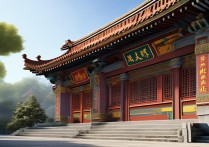
Another historical gem is Wuhou Shrine, the most famous and influential memorial temple for Zhuge Liang, the brilliant strategist of the Three Kingdoms period (220-280 AD). Built in the 3rd century, the shrine complex covers an area of 150,000 square meters and includes halls, pavilions, and steles dedicated to Zhuge Liang and other heroes of the Three Kingdoms. The main hall, the Hall of Liu Bei, houses statues of Liu Bei, the emperor of Shu Han, and his two sworn brothers, Guan Yu and Zhang Fei. The Hall of Zhuge Liang features a life-sized statue of the strategist, along with displays of his famous writings, such as the Chu Shi Biao (Memorial on Dispatching the Troops). The shrine is not only a place to pay homage to historical figures but also a hub for cultural activities, including traditional performances and calligraphy exhibitions.
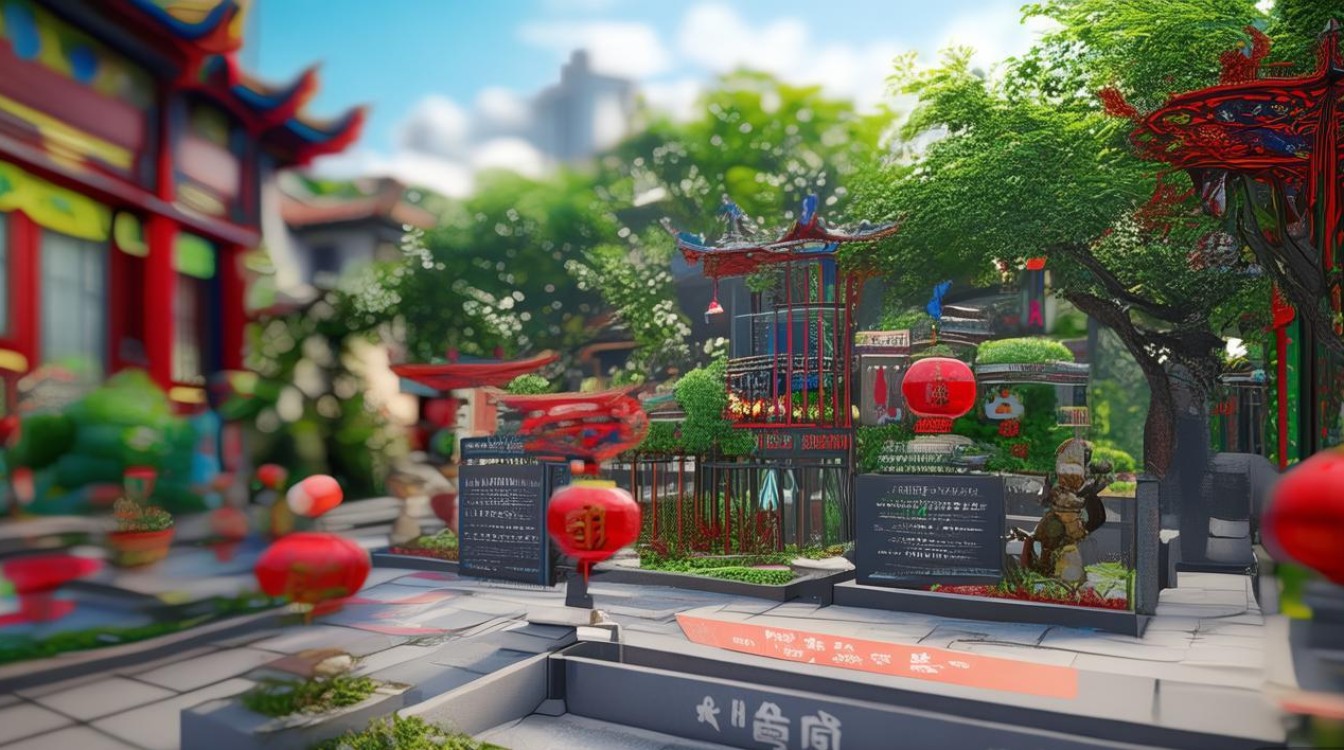
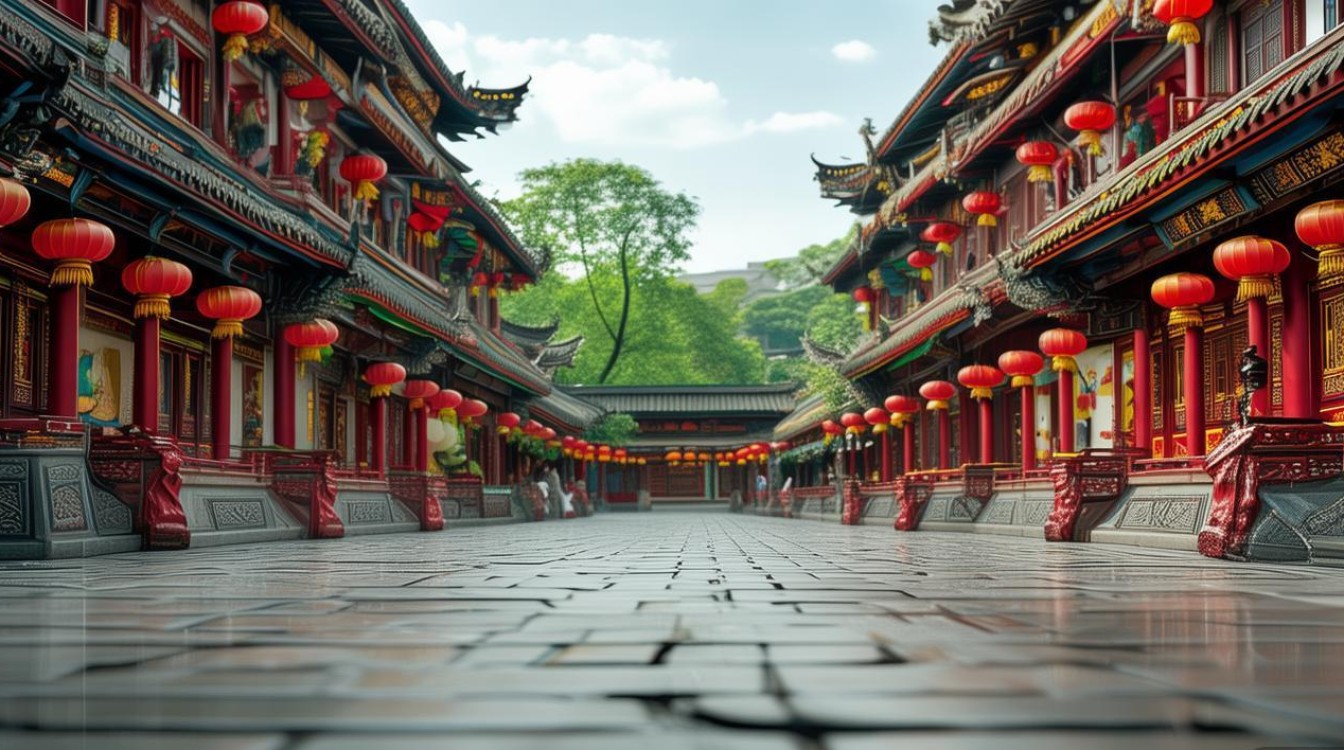
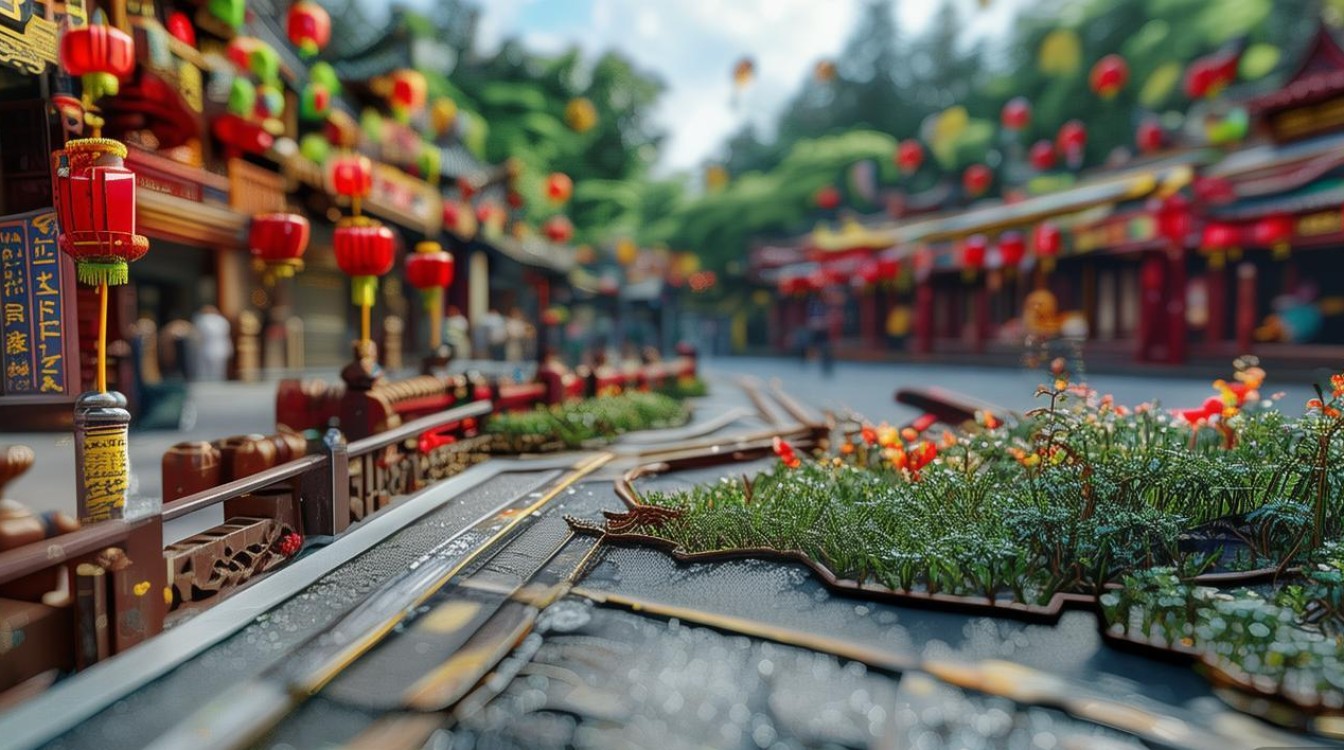
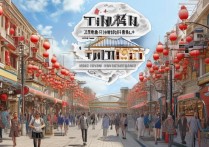
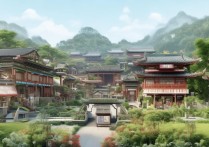
Chengdu’s traditional culture is best experienced in its ancient streets and teahouses. Jinli Ancient Street, located near Wuhou Shrine, is a bustling pedestrian street that recreates the architectural style of the Qing Dynasty and the Three Kingdoms period. Lined with wooden buildings, red lanterns, and food stalls, Jinli Street offers a glimpse into Chengdu’s old-world charm. Visitors can try local snacks like dan dan noodles, three-skewer lamb, and tanghulu (candied haws), shop for handicrafts such as Sichuan embroidery and bamboo weaving, or watch street performances like Sichuan Opera. Speaking of Sichuan Opera, it is a unique art form that combines music, dance, acrobatics, and the famous "face-changing" performance, where actors change masks in a split second. The Shufengyayun Teahouse in Jinli Street and the Jinsha Theatre are popular venues to enjoy this mesmerizing show.
No visit to Chengdu is complete without experiencing its laid-back teahouse culture. Kuanzhai Alley, a historic alley dating back to the Qing Dynasty, is a great place to relax in a traditional teahouse. The alley is divided into three sections: Kuan Alley (Wide Alley), Zhai Alley (Narrow Alley), and Jing Alley (Well Alley), each with its own unique vibe. Kuan Alley features modern cafes and boutique shops, while Zhai Alley retains its traditional architecture with teahouses, folk art stalls, and Sichuan opera performances. Jing Alley is the quietest section, with small gardens and art galleries. Locals often spend their afternoons sipping jingcha (fine tea) playing mahjong or chatting with friends, embodying Chengdu’s leisurely lifestyle. The most famous teahouse in Chengdu is People’s Park Teahouse, where visitors can enjoy a cup of longjing (Dragon Well tea) or baimaocha (white hair tea) while watching locals practice tai chi, play chess, or get a free ear cleaning service from traditional practitioners.
Nature lovers will find plenty to explore in Chengdu’s surrounding areas. Mount Qingcheng, located 60 kilometers northwest of Chengdu, is considered the birthplace of Taoism and a UNESCO World Heritage Site. Known as the "Green City Mountain" for its lush greenery, Mount Qingcheng is divided into two parts: the Front Mountain, which is rich in Taoist temples and cultural relics, and the Back Mountain, which is a pristine nature reserve with hiking trails and waterfalls. The Front Mountain has several well-preserved Taoist temples, such as the Tianshi Cave, where Zhang Daoling, the founder of Taoism, is said to have preached. Visitors can hike up the mountain or take a cable car to enjoy the serene scenery and fresh air. Another natural attraction is Jiuzhaigou Valley, a three-hour drive from Chengdu, famous for its colorful lakes, snow-capped peaks, and diverse wildlife. Though it is a bit far from the city, the stunning beauty of Jiuzhaigou makes it a worthwhile trip for nature enthusiasts.
Chengdu’s culinary scene is another major highlight, attracting food lovers from around the world. As the hometown of Sichuan cuisine, Chengdu offers a wide range of spicy and flavorful dishes. Hotpot is perhaps the most famous Sichuan dish, with a pot of simmering broth filled with chili peppers, Sichuan peppercorns, and various ingredients like beef, lamb, vegetables, and tofu. The spicy numbing flavor of the broth is a signature of Sichuan cuisine, and locals often enjoy hotpot with friends and family, especially during cold winters. Other must-try dishes include mapo tofu (tofu with minced pork and chili sauce), kung pao chicken (chicken with peanuts and chili peppers), and dandan noodles (noodles with spicy sesame paste). For those who prefer milder flavors, shuizhu yu (boiled fish in spicy broth) and qingtuan (green rice balls) are great options. Chengdu is also famous for its snacks, which can be found in food streets like Wenweng Lane and IFS Mall. Zhong dumplings, liangfen (cold jelly noodles), and baobing (shaved ice with toppings) are popular street foods that are both delicious and affordable.
To help visitors plan their trip, here is a table of some of Chengdu’s top attractions with brief descriptions:
| Attraction | Location | Highlights |
|---|---|---|
| Chengdu Panda Base | 10km north of city center | Giant pandas, red pandas, panda keeper experience |
| Jinsha Site Museum | Qingyang District | Ancient Shu Kingdom relics, Sun Bird Gold Ornament |
| Wuhou Shrine | Wuhou District | Memorial to Zhuge Liang, Three Kingdoms history, cultural activities |
| Jinli Ancient Street | Near Wuhou Shrine | Traditional architecture, local snacks, Sichuan opera performances |
| Kuanzhai Alley | Qingyang District | Historic alleys, teahouses, folk art, modern cafes |
| Mount Qingcheng | 60km northwest of Chengdu | Taoist temples, hiking trails, serene natural scenery |
| People’s Park Teahouse | Qingyang District | Traditional teahouse culture, mahjong, ear cleaning services |
In conclusion, Chengdu is a city that offers a perfect mix of natural beauty, cultural heritage, and culinary delights. Whether you are watching pandas play, exploring ancient streets, sipping tea in a teahouse, or indulging in spicy Sichuan cuisine, Chengdu will leave you with unforgettable memories. Its unique blend of tradition and modernity, along with the warm hospitality of its people, makes it a must-visit destination for travelers seeking an authentic Chinese experience.
FAQs
-
What is the best time to visit Chengdu to see pandas?
The best time to visit the Chengdu Panda Base is in the morning (8:00 AM–10:00 AM) when pandas are most active, feeding and playing. Additionally, spring (March–May) and autumn (September–November) offer mild weather, making it comfortable for outdoor activities. Avoid visiting during Chinese national holidays (such as Golden Week in October) when the base is crowded with tourists. -
How can I experience authentic local life in Chengdu?
To experience authentic local life, visit People’s Park in the morning to see locals practicing tai chi, dancing, or playing mahjong. Spend an afternoon in a traditional teahouse like People’s Park Teahouse or Shufengyayun Teahouse, sipping jingcha and chatting with locals. Explore Kuanzhai Alley or Jinli Ancient Street in the evening to enjoy street food, folk performances, and the vibrant atmosphere of old Chengdu. You can also try a hotpot dinner with locals, as sharing a hotpot pot is a popular social activity in Chengdu.
版权声明:本文由 数字洲食旅 发布,如需转载请注明出处。






 冀ICP备2021017634号-11
 冀公网安备13062802000116号