

澳大利亚著名景点英文叫什么?
Australia, a land of stunning contrasts and natural wonders, boasts some of the world’s most iconic destinations that draw millions of visitors each year. From the sun-drenched beaches to the rugged outback, from ancient rock formations to vibrant modern cities, the country’s famous landmarks offer a glimpse into its unique geography, culture, and history. Below, we explore some of Australia’s most renowned attractions, presented in their English names, along with detailed insights into their significance, features, and experiences they offer.
The Great Barrier Reef: A Natural Wonder of the World
The Great Barrier Reef, known as “the world’s largest coral reef system,” stretches over 2,300 kilometers along the northeast coast of Queensland. This UNESCO World Heritage site is home to more than 1,500 species of fish, 400 types of coral, and 4,000 kinds of mollusks. Visitors can explore the reef through snorkeling, scenic flights, or liveaboard cruises, witnessing its vibrant underwater ecosystems. The reef’s ecological importance is unparalleled, but it faces threats from climate change, making conservation efforts critical. Popular access points include Cairns, Port Douglas, and the Whitsunday Islands, where crystal-clear waters and abundant marine life create unforgettable experiences.
Uluru-Kata Tjuta National Park: The Heart of the Outback
Uluru, also known as Ayers Rock, is a massive sandstone monolith that rises 348 meters from the Australian desert. Located in the Northern Territory, this sacred site holds deep cultural significance for the Anangu people, the traditional owners of the land. Nearby, Kata Tjuta, a collection of 36 domed rock formations, offers equally breathtaking landscapes. The best time to visit is during sunrise or sunset, when the rocks glow in hues of red, orange, and purple. Guided tours provide insights into Aboriginal Dreamtime stories, enriching visitors’ understanding of the area’s spiritual and natural heritage. The park’s remote location and stark beauty make it a must-visit for those seeking a profound connection with Australia’s ancient landscapes.
Sydney Opera House: An Architectural Marvel
Sydney Opera House, with its distinctive sail-like design, is one of the most recognizable buildings in the world. Situated on Bennelong Point in Sydney Harbour, this performing arts center, designed by Jørn Utzon, opened in 1973 and has since become a symbol of Australian modernity. The venue hosts over 1,500 performances annually, including opera, theater, and concerts. Visitors can take guided tours to explore its history and architecture, or enjoy a show in one of its world-class theaters. The surrounding area, including the Royal Botanic Garden and Harbour Bridge, offers stunning views, making it a cultural and scenic hub for both locals and tourists.
The Twelve Apostles: Coastal Giants
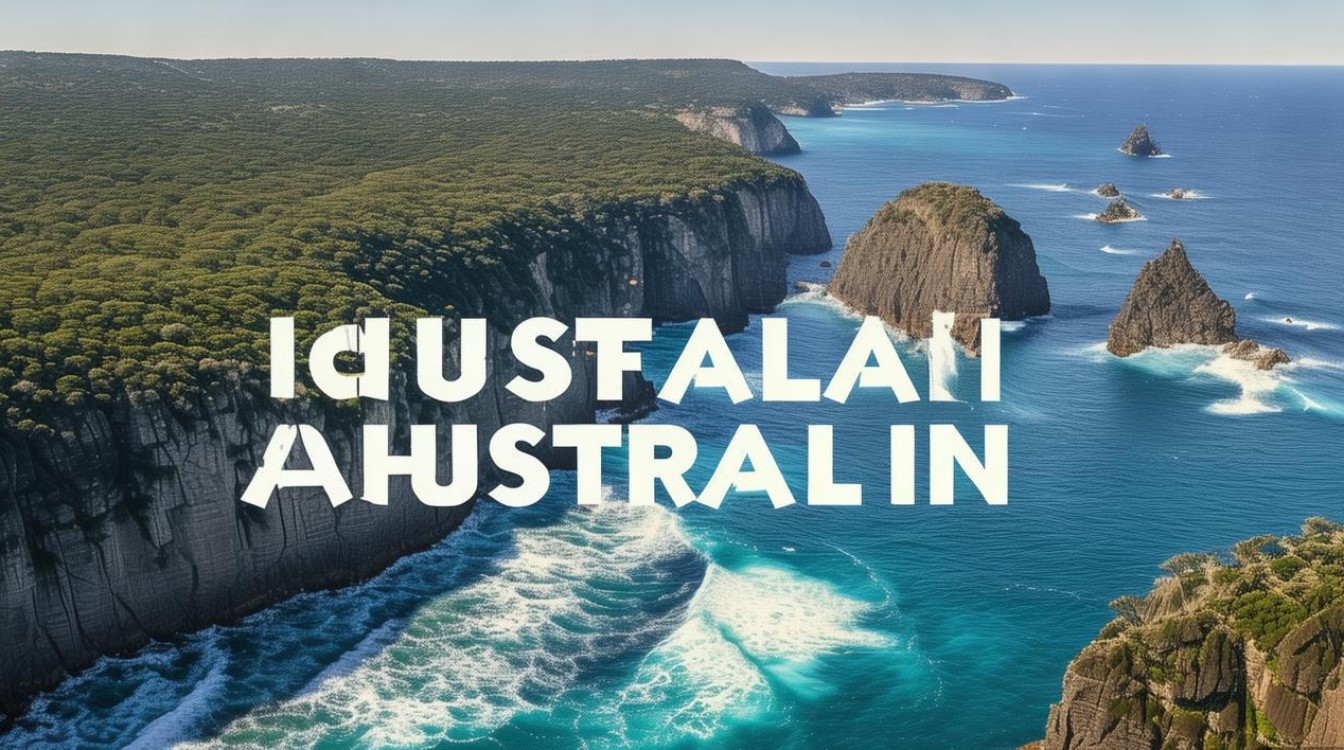
Along the Great Ocean Road in Victoria, The Twelve Apostles stand as towering limestone stacks rising dramatically from the Southern Ocean. Though originally named for supposed twelve formations (only eight remain today), these eroded cliffs are a testament to the power of nature. The site offers panoramic views, especially at sunrise or when the ocean crashes against the rocks, creating a spectacular display. A visitor center provides information on the geological processes that shaped the coastline, while nearby Loch Ard Gorge and Gibson Steps offer additional opportunities to explore the rugged beauty of this iconic stretch of coastline.
Kakadu National Park: A Tapestry of Culture and Nature
Kakadu National Park, located in the Northern Territory, is Australia’s largest national park and a dual World Heritage site, recognized for both its natural and cultural significance. The park features diverse landscapes, from wetlands and waterfalls to sandstone escarpments and ancient rock art. Ubirr and Nourlangie Rock showcase Aboriginal rock art dating back thousands of years, providing a window into the region’s rich Indigenous heritage. During the wet season, waterfalls like Jim Jim and Twin Falls cascade dramatically, while the dry season offers opportunities for wildlife spotting, including saltwater crocodiles and colorful bird species.
Fraser Island: A Natural Paradise
Fraser Island, the world’s largest sand island, is a unique destination located off the coast of Queensland. This UNESCO World Heritage site is known for its pristine beaches, crystal-clear freshwater lakes, and dense rainforests growing on sand dunes. Visitors can explore the island by 4WD, stopping at iconic spots like Lake McKenzie, with its white silica sand, and the Maheno Shipwreck. The island is also home to diverse wildlife, including dingoes, and offers opportunities for fishing, whale watching, and camping. Its ecological fragility emphasizes the importance of responsible tourism to preserve its natural beauty.
Table of Key Australian Attractions
| Attraction Name | Location | Key Features | Best Time to Visit |
|---|---|---|---|
| Great Barrier Reef | Queensland | Coral reefs, marine life, snorkeling/diving | May-September (dry season) |
| Uluru-Kata Tjuta | Northern Territory | Sacred monolith, rock formations, cultural tours | March-May, September-November |
| Sydney Opera House | New South Wales | Architectural landmark, performing arts | Year-round (spring/autumn ideal) |
| The Twelve Apostles | Victoria | Limestone stacks, coastal views | September-May (avoid winter storms) |
| Kakadu National Park | Northern Territory | Wetlands, rock art, waterfalls | May-September (dry season) |
| Fraser Island | Queensland | Sand dunes, freshwater lakes, 4WD tracks | August-December (cooler, drier) |
FAQs
Q1: What is the best way to experience the Great Barrier Reef?
A1: The best way to experience the Great Barrier Reef depends on your preferences. For snorkelers, day trips from Cairns or Port Douglas offer easy access to vibrant reef sites. Scenic flights provide breathtaking aerial views, while liveaboard cruises allow for multi-day diving expeditions to more remote areas. It’s advisable to choose eco-certified operators to support sustainable tourism practices.
Q2: Are there guided tours available at Uluru, and what should I wear?
A2: Yes, guided tours are available at Uluru-Kata Tjuta National Park, offering insights into Aboriginal culture, geology, and wildlife. Traditional owners lead cultural walks, sharing Dreamtime stories. When visiting, wear lightweight, breathable clothing, a wide-brimmed hat, and sturdy walking shoes, as the desert sun is intense. Carry plenty of water and use sunscreen, even during cooler months.

Australia’s famous attractions are a testament to the country’s natural beauty, cultural richness, and innovative spirit. Whether exploring the underwater wonders of the Great Barrier Reef or the ancient spirituality of Uluru, each destination offers a unique journey into the heart of this remarkable continent.
版权声明:本文由 数字洲食旅 发布,如需转载请注明出处。












 冀ICP备2021017634号-11
 冀公网安备13062802000116号