

日本景点英文翻译有哪些常见误区?
Japan, a country where ancient traditions seamlessly blend with cutting-edge modernity, offers a diverse array of attractions that captivate travelers from around the globe. From serene temples and historic castles to vibrant cities and natural wonders, the country’s landscape is a tapestry of experiences waiting to be explored. Understanding the English names of these iconic sites is not only essential for navigation but also enhances the appreciation of their cultural and historical significance. This guide delves into some of Japan’s most renowned landmarks, providing detailed insights into their English descriptions, cultural contexts, and practical travel tips, ensuring a deeper connection to the heart of Japan.
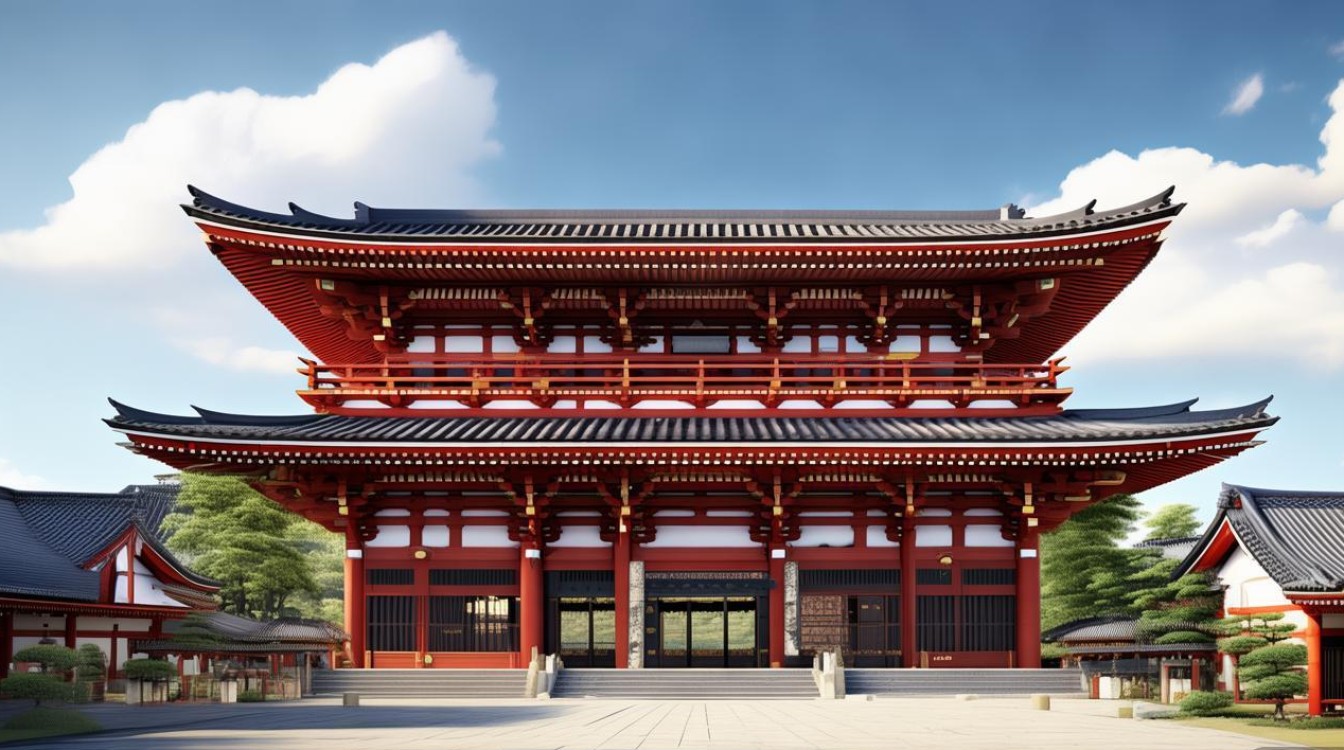
Kyoto: The Cultural Heart of Japan
Kyoto, the former imperial capital, is a city steeped in history, home to over 1,600 Buddhist temples, 400 Shinto shrines, and countless traditional gardens. Its English names often reflect their historical or descriptive origins, offering clues to their importance.
Kinkaku-ji (The Golden Pavilion)
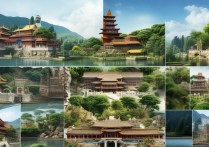
One of Kyoto’s most iconic sites, Kinkaku-ji, or the Golden Pavilion, is a Zen Buddhist temple whose top two floors are completely covered in gold leaf. The official English name, "Kinkaku-ji," derives from the Japanese characters for "Golden Pavilion," but it is also widely known by its descriptive title. Originally built in 1397 as a retirement villa for shogun Ashikaga Yoshimitsu, it was converted into a temple after his death. The temple’s reflection in the surrounding pond, framed by meticulously maintained gardens, creates a picture of serene beauty that has made it a UNESCO World Heritage Site. Visitors can walk the path around the pond, appreciating the contrast between the glittering pavilion and the natural landscape.
Fushimi Inari Taisha (Fushimi Inari Shrine)
Fushimi Inari Taisha, often referred to simply as "Fushimi Inari Shrine" in English, is famous for its thousands of vermilion torii gates that wind up the mountainside. The shrine is dedicated to Inari, the Shinto god of rice and prosperity, and its English name reflects its location in Fushimi, a district of Kyoto. The torii gates, donated by businesses and individuals seeking blessings, form a tunnel-like pathway that is particularly magical during early morning or late afternoon when the light filters through. Beyond the gates, the trail leads to smaller shrines, stone fox statues (Inari’s messengers), and panoramic views of Kyoto. A visit here is a must for those seeking both spiritual tranquility and stunning photography opportunities.
Tokyo: A Metropolis of Contrasts
Tokyo, Japan’s bustling capital, is a city where ultramodern skyscrapers stand alongside historic neighborhoods. Its English-named attractions range from world-class museums to tranquil parks, each offering a unique glimpse into the city’s dynamic culture.
Senso-ji Temple (Asakusa)
As Tokyo’s oldest temple, Senso-ji, or "Senso-ji Temple" in English, is located in the historic district of Asakusa. The temple is dedicated to Bodhisattva Kannon, and its English name is a direct romanization of the Japanese. The approach to the temple is marked by the Nakamise-dori, a bustling street lined with traditional stalls selling snacks, souvenirs, and crafts. The iconic Kaminarimon (Thunder Gate), with its giant red lantern and statues of gods and demons, serves as the temple’s entrance. Visitors can explore the main hall, offering incense, and stroll through the peaceful inner grounds, where the contrast between the lively market and the serene temple creates a captivating atmosphere.
Tokyo Skytree
Tokyo Skytree, one of the world’s tallest structures, is a modern marvel that dominates the city’s skyline. Its English name is straightforward, reflecting its function as a broadcasting and observation tower. Standing at 634 meters, the tower offers breathtaking views of Tokyo and, on clear days, Mount Fuji. The two observation decks, Tembo Deck and Tembo Galleria, provide 360-degree perspectives, while the lower floors house a shopping mall, aquarium, and restaurants. A visit to Tokyo Skytree is a chance to experience the city’s futuristic side, especially when illuminated at night, when it becomes a dazzling beacon of light.
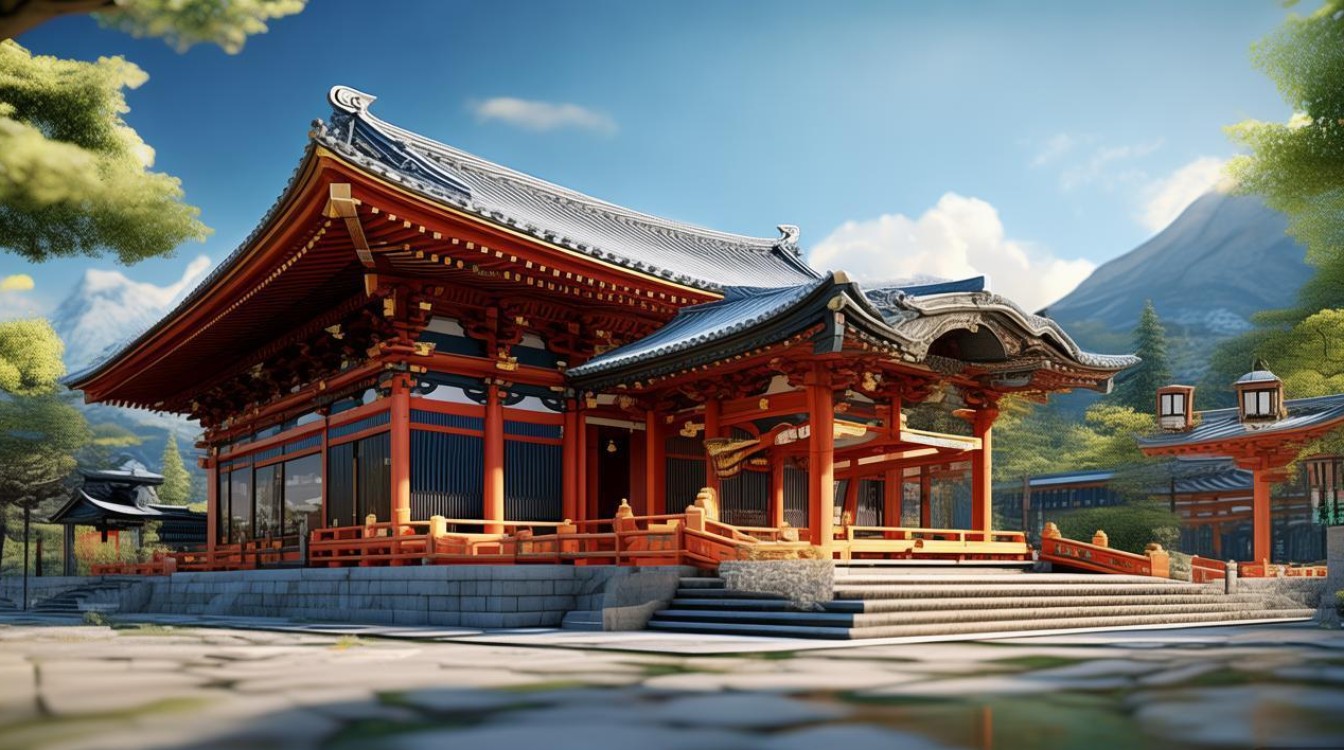
Nara: Ancient Capital and Sacred Deer
Nara, Japan’s first permanent capital, is a city where history and nature intertwine. Its English-named attractions are often tied to their religious or historical significance, making it a destination rich in cultural heritage.
Todai-ji Temple (Great Eastern Temple)
Todai-ji, or "Todai-ji Temple" in English, is one of Japan’s most significant Buddhist temples and a UNESCO World Heritage Site. The temple’s name, meaning "Great Eastern Temple," reflects its location in the eastern part of Nara. The highlight of Todai-ji is the Daibutsuden (Great Buddha Hall), which houses a 15-meter-tall bronze statue of Buddha. The sheer scale of the hall, one of the largest wooden buildings in the world, is awe-inspiring. Visitors can also explore the temple grounds, which are home to friendly deer considered messengers of the gods, and interact with the thousands of deer that roam freely in Nara Park.
Hiroshima: A City of Peace and Resilience
Hiroshima, a city with a profound historical legacy, offers a moving tribute to peace and human resilience. Its English-named memorials serve as powerful reminders of the past and hope for the future.
Hiroshima Peace Memorial Park (Genbaku Dome)
The Hiroshima Peace Memorial Park, often referred to as the "Peace Park" in English, is a sprawling complex dedicated to the victims of the 1945 atomic bombing. At its center stands the Genbaku Dome, or Atomic Bomb Dome, the ruins of the former Hiroshima Prefectural Industrial Promotion Hall. The dome’s English name reflects its connection to the atomic bomb, and it has been preserved as a symbol of peace. The park also features the Peace Memorial Museum, which provides historical context through exhibits and personal stories, and the Children’s Peace Monument, dedicated to the young victims of the bombing. A visit here is a deeply emotional experience, underscoring the importance of peace and reconciliation.
Natural Wonders: Beyond the Urban Landscape
Japan’s natural beauty is as diverse as its culture, with attractions ranging from snow-capped mountains to tropical beaches. Their English names often evoke the stunning landscapes they represent.
Mount Fuji (Fuji-san)
Mount Fuji, or "Fuji-san" in English, is Japan’s highest peak and a sacred symbol of the country. The name "Fuji-san" is derived from the Japanese term for the mountain, which is considered a holy site in Shintoism. Every summer, thousands of climbers attempt to summit the mountain to witness the sunrise from the top, a tradition known as "Goraiko." For those unable to climb, the Fuji Five Lakes region offers spectacular views of the mountain, reflected in the serene waters of Lake Kawaguchiko and Lake Yamanakako. Mount Fuji’s iconic silhouette has inspired artists for centuries and remains a must-see natural wonder.
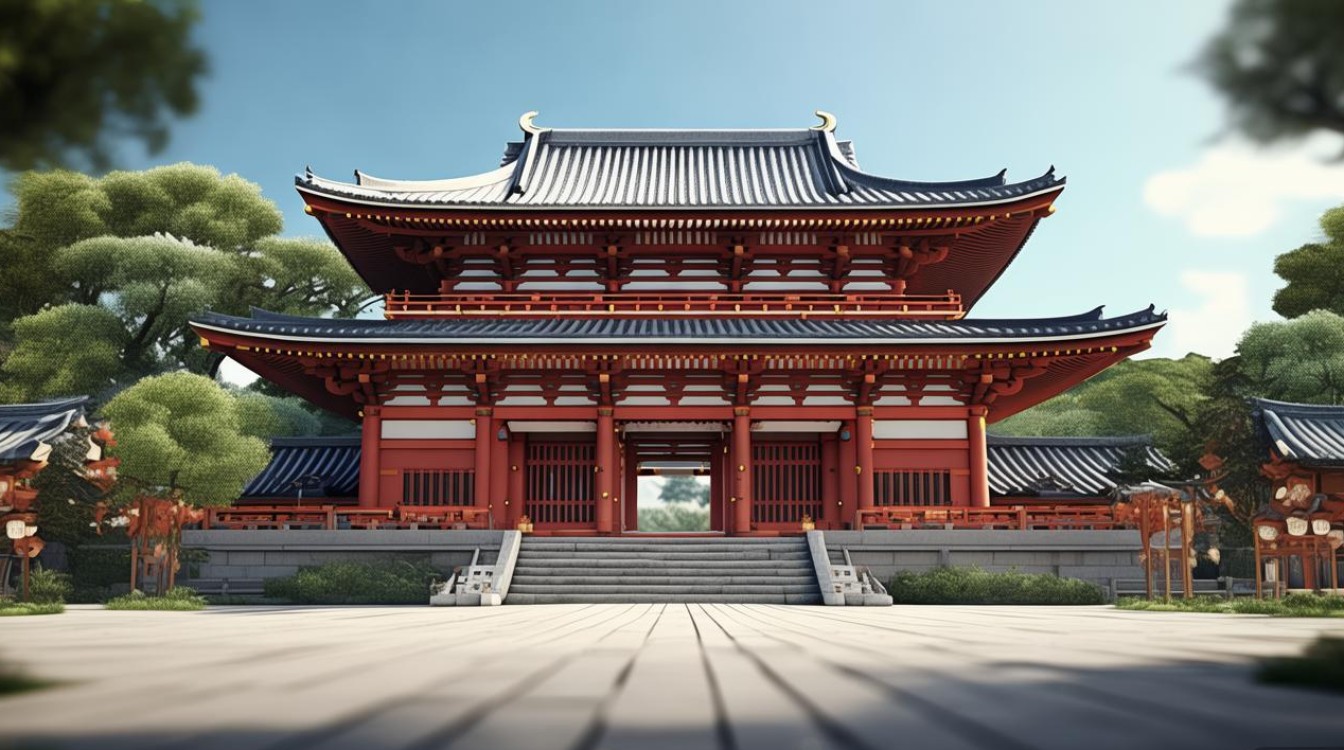
Shirakawa-go (Gassho-zukuri Villages)
Shirakawa-go, or "Shirakawa-go" in English, is a UNESCO World Heritage Site famous for its traditional gassho-zukuri farmhouses, characterized by steeply pitched thatched roofs resembling hands in prayer. The name "Shirakawa-go" means "white river country," reflecting the region’s snow-covered landscape in winter. The village of Ogimachi is the most well-known, with its preserved farmhouses that once housed silk farming families. Today, some of these houses are open to the public as museums or minshuku (traditional inns). A visit in winter, when the roofs are blanketed in snow, offers a magical glimpse into rural Japan’s timeless charm.
Practical Tips for Travelers
When visiting these attractions, understanding their English names can greatly enhance the experience. Here are some practical tips:
- Learn Basic Terms: Familiarize yourself with common English terms for Japanese landmarks, such as "Temple" (dera/tera), "Shrine" (jinja), "Park" (koen), and "Memorial" (kinenhi).
- Use Official Resources: Refer to official tourism websites or apps for accurate English names and details, as some sites may have unofficial or transliterated names.
- Plan Ahead: Many attractions, especially in popular cities like Kyoto and Tokyo, require advance bookings for entry or guided tours. Check their English websites for reservation information.
- Respect Local Customs: Whether visiting a temple or shrine, be mindful of cultural practices, such as removing shoes, maintaining silence, and refraining from photography in restricted areas.
FAQs
Q1: What is the difference between a "Temple" and a "Shrine" in Japan?
A1: In Japan, a "Temple" (tera/dera) is a Buddhist place of worship, often characterized by statues of Buddha, incense burners, and meditation halls. Examples include Kinkaku-ji and Todai-ji. A "Shrine" (jinja), on the other hand, is a Shinto site dedicated to kami (spirits or gods), marked by torii gates, purification troughs, and ema (wooden plaques with prayers). Fushimi Inari Taisha is a well-known shrine. The English names help distinguish between these two religious traditions.
Q2: Are English names for Japanese attractions always direct translations?
A2: Not always. While some English names are direct translations or romanizations of the Japanese names (e.g., Kinkaku-ji, Fushimi Inari Taisha), others may be descriptive or adopted for easier pronunciation by international visitors. For example, "Tokyo Skytree" is a modern name chosen for its simplicity and global appeal, whereas "Senso-ji" is a romanization of the Japanese name. It’s helpful to cross-reference both the Japanese and English names when planning visits to avoid confusion.
版权声明:本文由 数字洲食旅 发布,如需转载请注明出处。








 冀ICP备2021017634号-11
 冀公网安备13062802000116号