

罗马景点英文怎么说?有哪些常见罗马景点英文名称?
Rome, the Eternal City, is a living museum where millennia of history, art, and culture converge. From the grandeur of ancient ruins to the splendor of Renaissance masterpieces, every corner of Rome tells a story. For travelers eager to explore its iconic landmarks, understanding the English names and significance of these sites is essential. This guide delves into some of Rome’s most famous attractions, providing detailed insights into their history, architecture, and cultural importance, ensuring visitors can fully appreciate the city’s timeless allure.
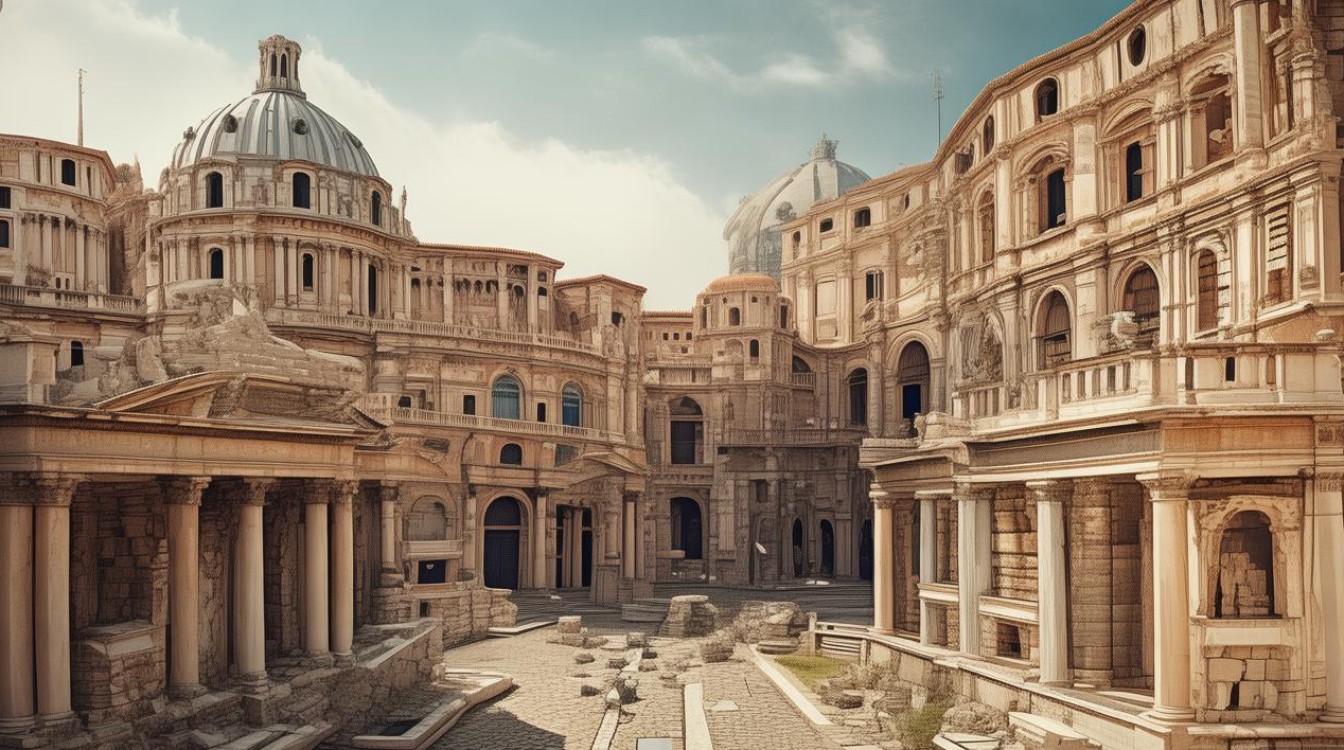
The Colosseum: An Icon of Imperial Rome
The Colosseum, originally known as the Flavian Amphitheatre, is perhaps the most recognizable symbol of Rome. Constructed between 70-80 AD under Emperor Vespasian and completed by his son Titus, this elliptical amphitheater could hold up to 80,000 spectators, who gathered to watch gladiatorial contests, animal hunts, and public spectacles. Its innovative design, featuring a complex system of vaults and arches, revolutionized Roman engineering and set the standard for future amphitheaters worldwide.
The Colosseum’s three tiers of seating were hierarchically arranged: the lowest level was reserved for nobles and senators, the middle for citizens, and the highest for women and the poor. The arena floor, now partially reconstructed, once housed elaborate sets and underground chambers (the hypogeum) where gladiators and animals were kept before performances. Despite centuries of earthquakes and stone quarrying, the Colosseum remains a breathtaking testament to Roman power and ingenuity. Today, it is a UNESCO World Heritage Site and one of Rome’s most visited landmarks, offering guided tours that illuminate its grisly yet fascinating history.
The Roman Forum: The Heart of Ancient Rome
Adjacent to the Colosseum, the Roman Forum (Foro Romano) was the political, religious, and commercial center of the Roman Empire. Spanning over 2,000 years of history, this sprawling ruin complex includes the remains of temples, basilicas, arches, and government buildings that shaped Western civilization. Key sites within the Forum include:
- The Temple of Saturn: Dedicated to the god of agriculture, its eight remaining columns are a iconic backdrop to Forum photos.
- The Arch of Titus: Commemorating the Roman victory in the Jewish War, this arch features intricate reliefs depicting the spoils of the Temple of Jerusalem.
- The Rostra: The speaker’s platform where Mark Antony delivered his famous eulogy for Julius Caesar.
Walking through the Forum, visitors can imagine the bustling activity of ancient Rome, where senators debated laws, merchants traded goods, and citizens gathered for public ceremonies. Archaeological excavations continue to uncover new artifacts, offering fresh insights into daily life in the empire’s golden age.
The Pantheon: A Marvel of Engineering and Spirituality
Originally built in 27 BC by Marcus Agrippa and later reconstructed by Emperor Hadrian in 126 AD, the Pantheon is one of Rome’s best-preserved ancient buildings. Its most striking feature is the massive concrete dome, which remains the world’s largest unreinforced concrete dome to this day. The oculus, a 9-meter opening at the dome’s apex, floods the interior with natural light, creating a celestial atmosphere that has inspired awe for centuries.
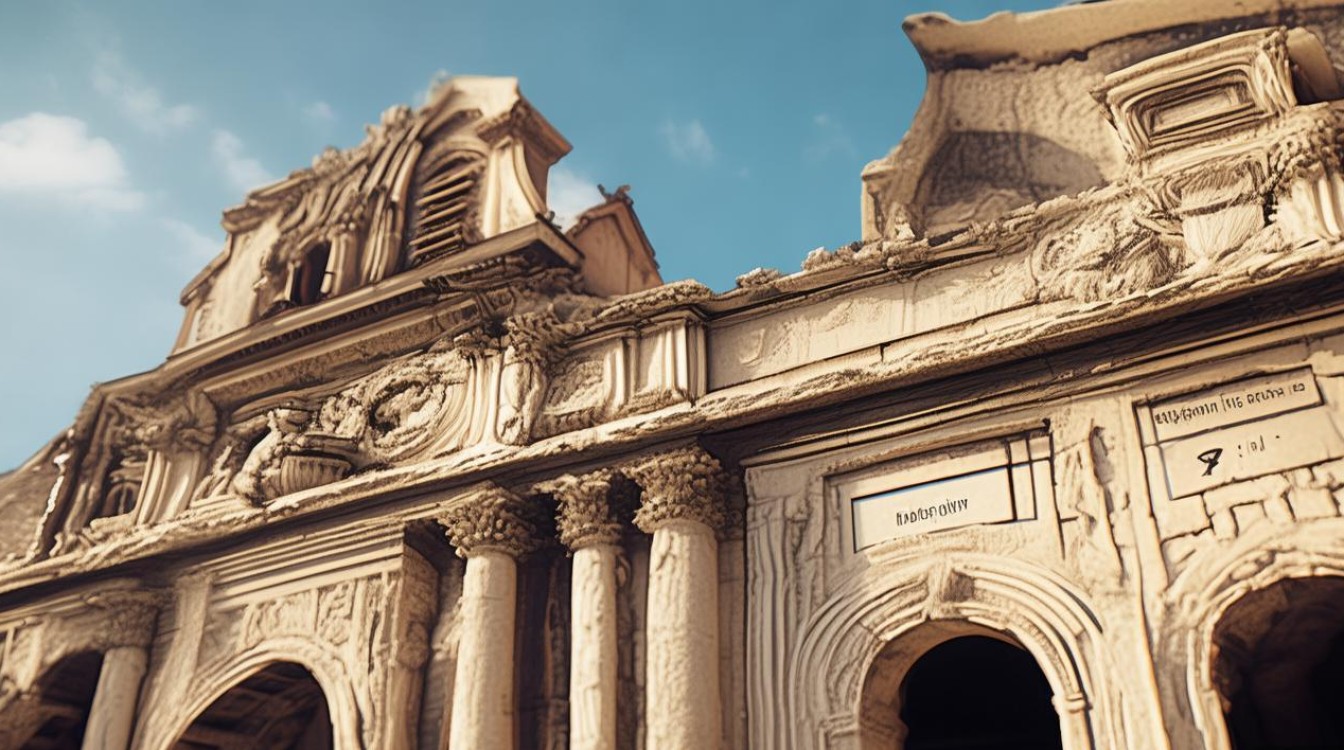
The Pantheon’s portico, supported by 16 granite columns, leads to a rotunda adorned with intricate marble inlays and the tombs of notable figures, including the artist Raphael and Victor Emmanuel II, the first king of unified Italy. Originally a temple to all Roman gods, it was consecrated as a Catholic church in the 7th century, ensuring its preservation through the Middle Ages. Today, the Pantheon stands as a masterpiece of classical architecture, blending mathematical precision with spiritual grandeur.
Vatican City: Spiritual and Artistic Treasure Trove
Enclaved within Rome, Vatican City is the smallest independent state in the world and the spiritual headquarters of the Catholic Church. Home to some of the world’s most renowned art and architecture, it is a must-visit for travelers:
- St. Peter’s Basilica: Designed by masters like Michelangelo and Bernini, this Renaissance church is the largest in the world. Its dome, designed by Michelangelo, offers panoramic views of Rome from its summit. Inside, visitors can admire Michelangelo’s Pieta and Bernini’s bronze baldachin.
- Vatican Museums: Spanning 9 miles of galleries, the museums house an unparalleled collection of art, including the Raphael Rooms and the Sistine Chapel. The chapel’s ceiling, painted by Michelangelo between 1508-1512, is a crowning achievement of the High Renaissance.
- St. Peter’s Square: Bernini’s elliptical square, framed by a colonnade of 284 columns, can accommodate up to 300,000 people during papal audiences. Its central obelisk and twin fountains add to its majestic ambiance.
Trevi Fountain and Spanish Steps: Baroque Splendor and Urban Charm
Beyond its ancient ruins, Rome is celebrated for its Baroque beauty and lively piazzas:
- Trevi Fountain (Fontana di Trevi): Designed by Nicola Salvi in the 18th century, this fountain depicts the sea god Neptune in a chariot pulled by sea horses. Tradition holds that tossing a coin into the fountain ensures a return to Rome. Each day, over €3,000 are collected from the fountain, which is donated to charity.
- Spanish Steps (Scalinata di Trinità dei Monti): This 135-step staircase, built in the 18th century to connect the Spanish Embassy to the Trinità dei Monti church, is a popular gathering spot. In spring, the steps are adorned with azaleas, creating a picturesque scene. At the base lies the Baroque Fountain of the Old Boat, designed by Pietro Bernini.
Castel Sant’Angelo: A Fortress with a Storied Past
Originally built as Emperor Hadrian’s mausoleum in 135 AD, Castel Sant’Angelo later served as a fortress, papal residence, and prison. Its cylindrical structure, connected to the Vatican by a secret corridor, was used by popes during times of threat. Today, it houses a museum where visitors can explore its ramparts, dungeons, and apartments, which offer stunning views of the Tiber River and St. Peter’s Basilica.
Table of Key Roman Landmarks
| Landmark | Era | Key Features | Visitor Tips |
|---|---|---|---|
| Colosseum | Flavian (1st c.) | 80,000 capacity, hypogeum, tiered seating | Book timed tickets to avoid long queues |
| Roman Forum | Republic/Empire | Temple of Saturn, Arch of Titus, Rostra | Hire a guide to decode ruins’ historical context |
| Pantheon | Hadrianic (2nd c.) | Oculus, concrete dome, Raphael’s tomb | Visit midday to see sunlight through the oculus |
| Vatican Museums | Renaissance | Sistine Chapel, Raphael Rooms, Pinacoteca | Book early morning tours to avoid crowds |
| Trevi Fountain | Baroque (18th c.) | Neptune’s chariot, coin-throwing tradition | Arrive early to experience it without crowds |
FAQs
What is the best time to visit the Colosseum to avoid crowds?
The early morning (around 8:30 AM) or late afternoon (after 4 PM) are the least crowded times. Booking a skip-the-line tour or visiting during the off-season (November-February) can also significantly reduce wait times. Additionally, consider purchasing a combo ticket that includes access to the Roman Forum and Palatine Hill, allowing you to explore multiple sites efficiently.
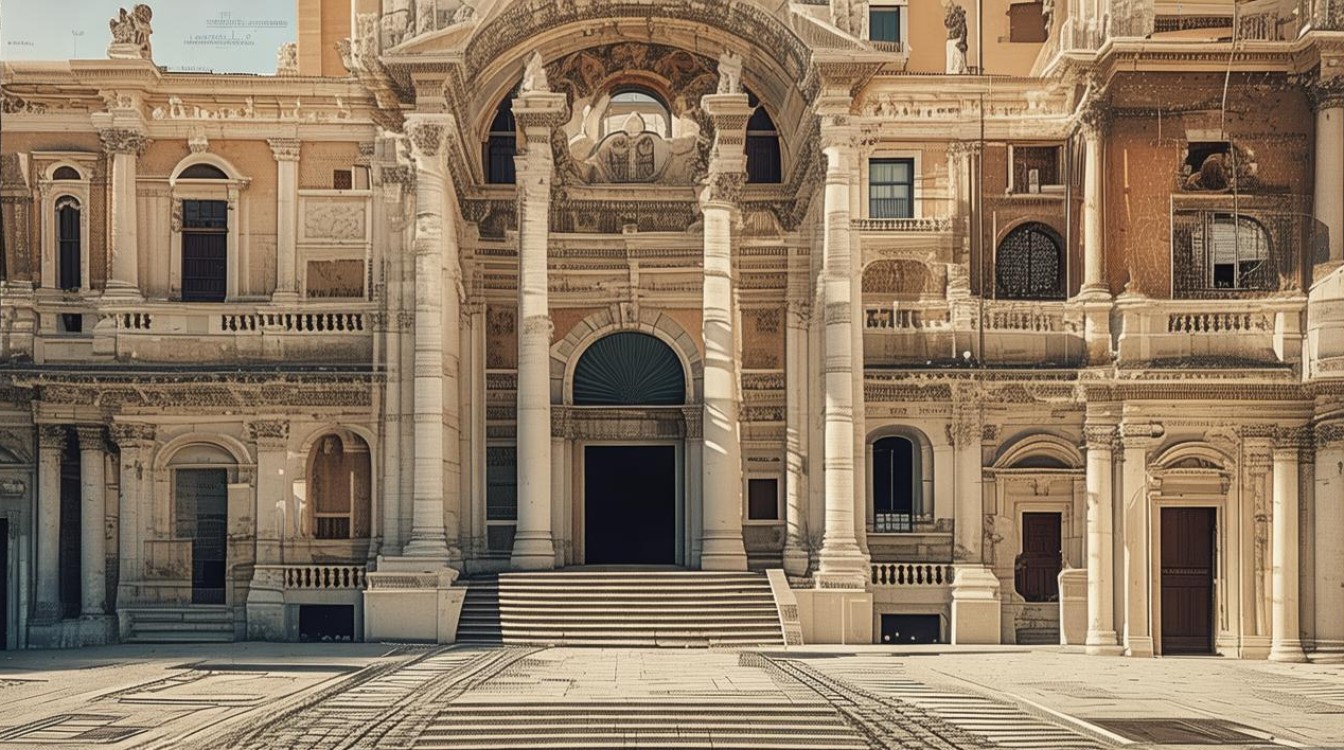
How much time should I allocate for the Vatican Museums and St. Peter’s Basilica?
For a thorough visit, allocate at least 4-5 hours for the Vatican Museums alone, including the Sistine Chapel. St. Peter’s Basilica requires an additional 1-2 hours to explore its interior, dome climb, and grottoes. If possible, split your visit over two days to avoid exhaustion, and wear modest attire (covered shoulders and knees) as both sites are sacred places.
Rome’s landmarks are more than just tourist attractions—they are portals into the past, where the echoes of emperors, artists, and saints still resonate. By understanding their English names and stories, travelers can unlock the depth of this eternal city, creating memories that will last a lifetime. Whether marveling at the Colosseum’s grandeur or tossing a coin into the Trevi Fountain, Rome promises an unforgettable journey through history and beauty.
版权声明:本文由 数字洲食旅 发布,如需转载请注明出处。






 冀ICP备2021017634号-11
 冀公网安备13062802000116号